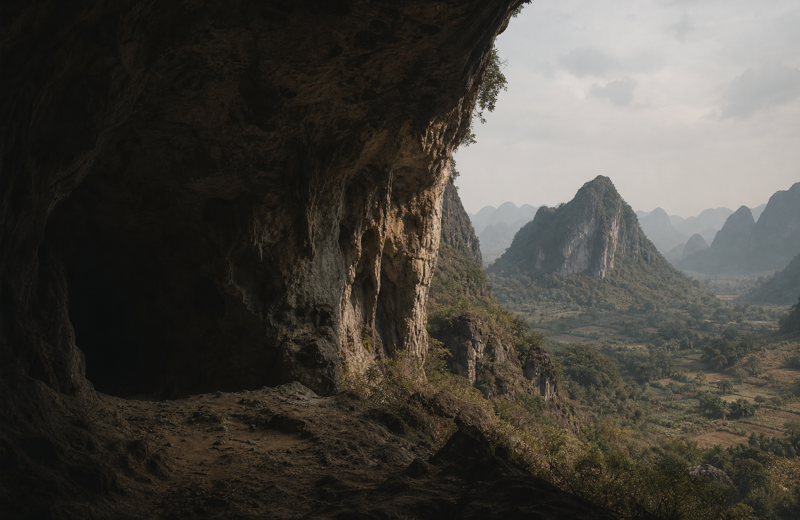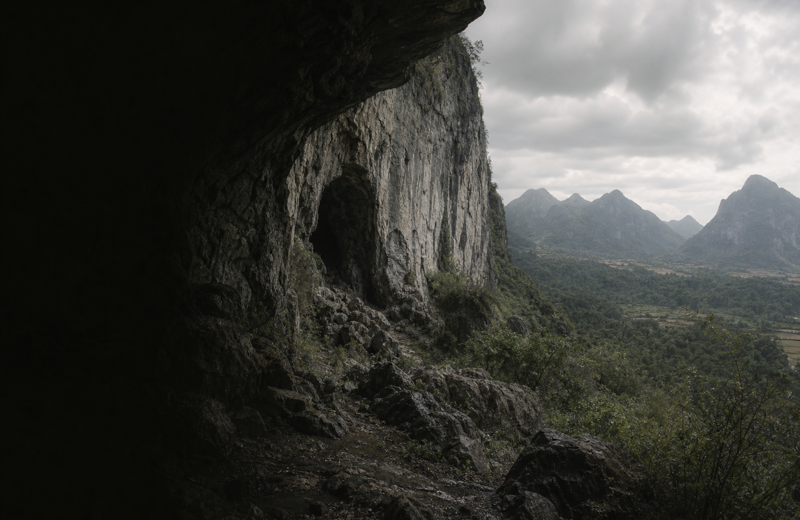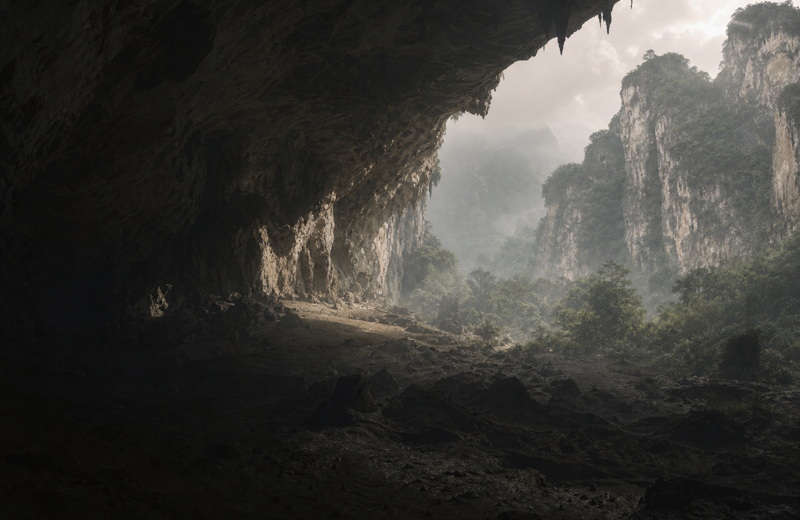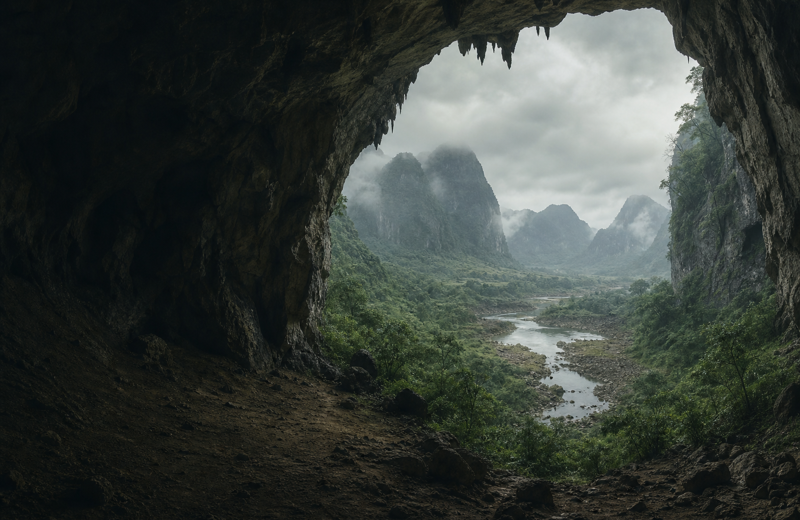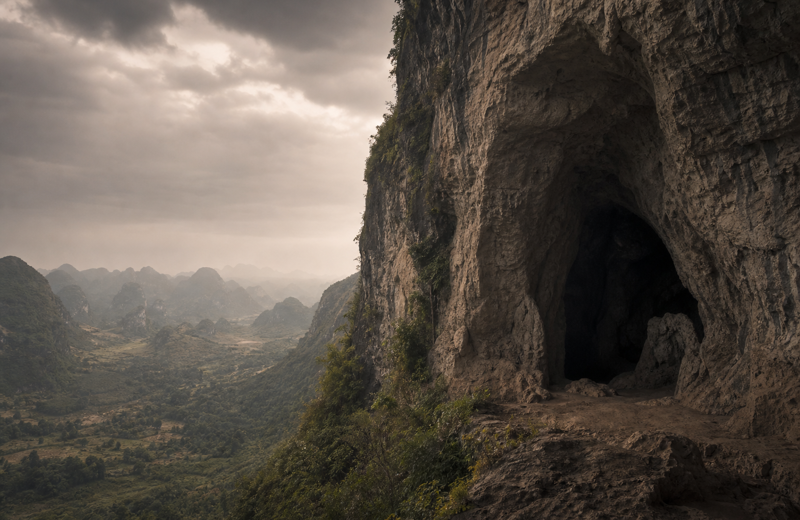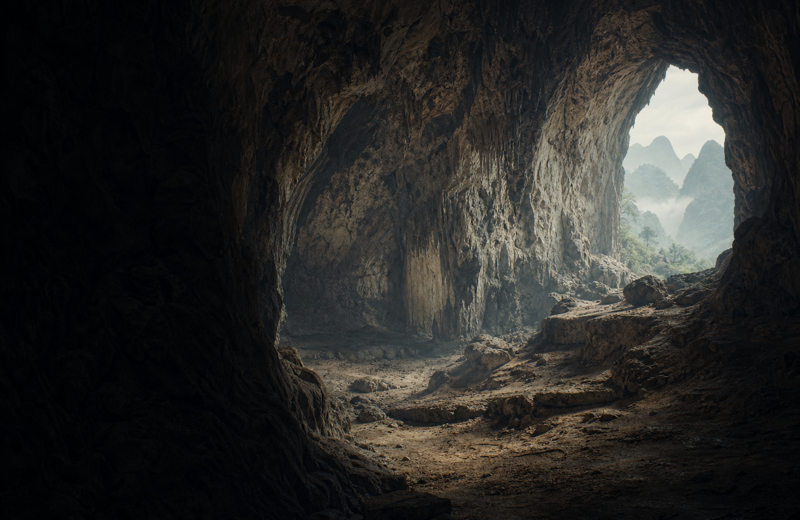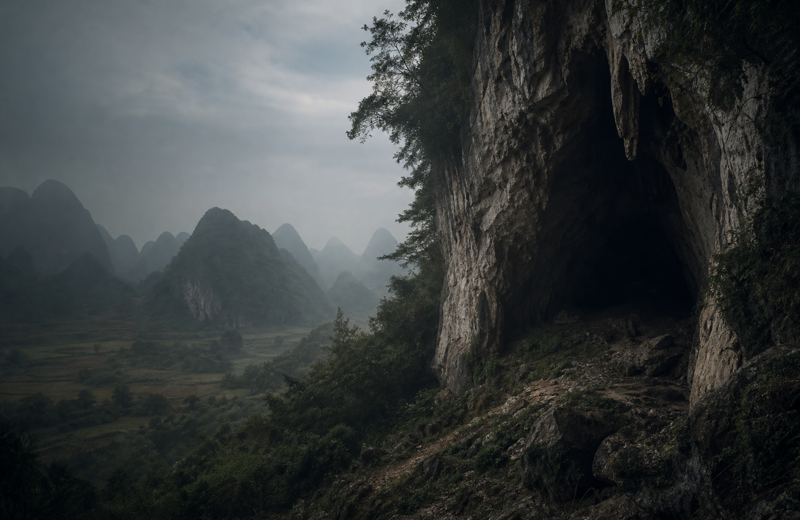
Cenxun Cave: Sui–Tang Southern Lineages
Three 440–658 CE individuals from Guangxi point to southern maternal continuity during Sui–Tang transition

DNA Spotlights · Ancient and Historical Cultures
Download PDF creates a visual, rasterized copy. Use Print for selectable text and better assistive-technology support.
Explore the places, time periods, and published research behind ancient DNA samples and the cultures associated with them.
Browse the collection1–7 of 7 spotlights
Three 440–658 CE individuals from Guangxi point to southern maternal continuity during Sui–Tang transition
Three early medieval individuals linking cave archaeology in Guangxi with ancient mitochondrial lineages
A single maternal genome from Hechi illuminates life on the southeastern frontier during dynastic transition.
A single mitochondrial genome linking Guangxi caves to East Asian maternal lineages
A single ancient genome from Yiyang Cave illuminates lives in southern China between the Northern and Southern Dynasties and early Tang era.
Three mitochondrial genomes from Cenxun Cave (440–658 CE) illuminate local maternal lineages in southern China
Three individuals from Cenxun Cave (440–658 CE) illuminate southern China's past
Our guides explain the methods we use, from population comparisons to matching segments of DNA.