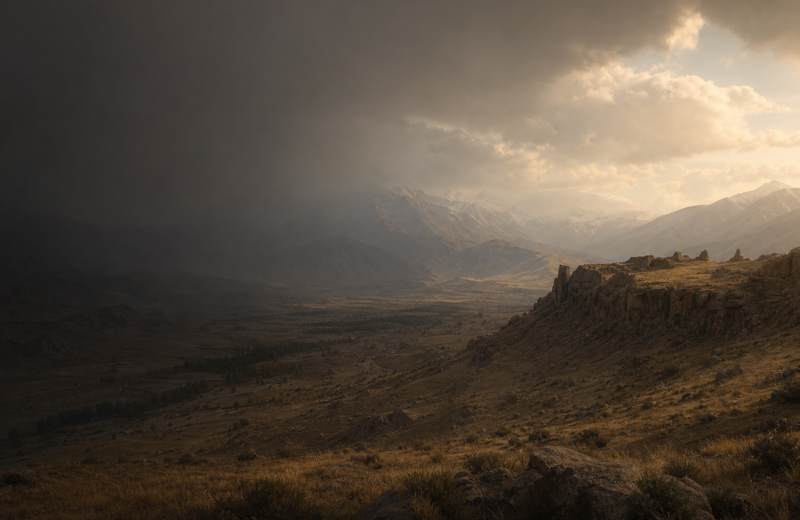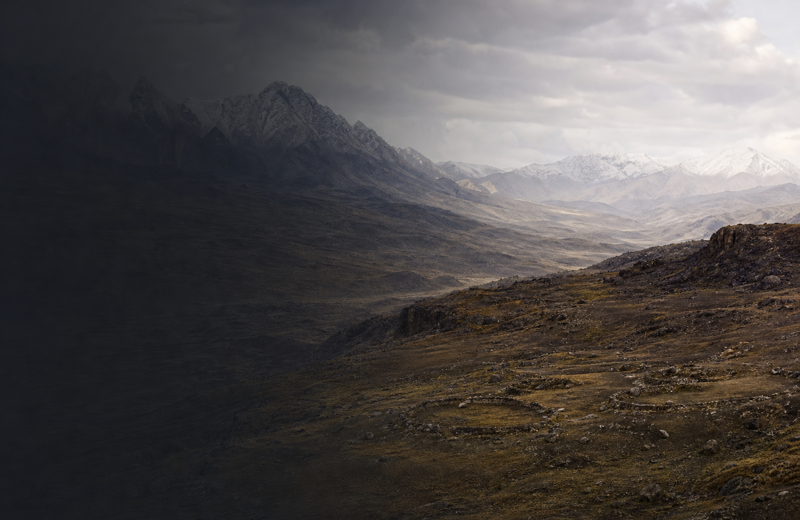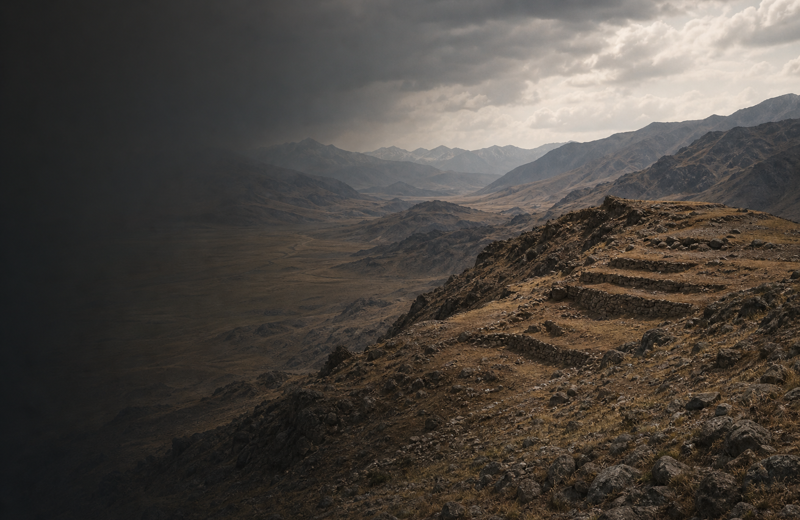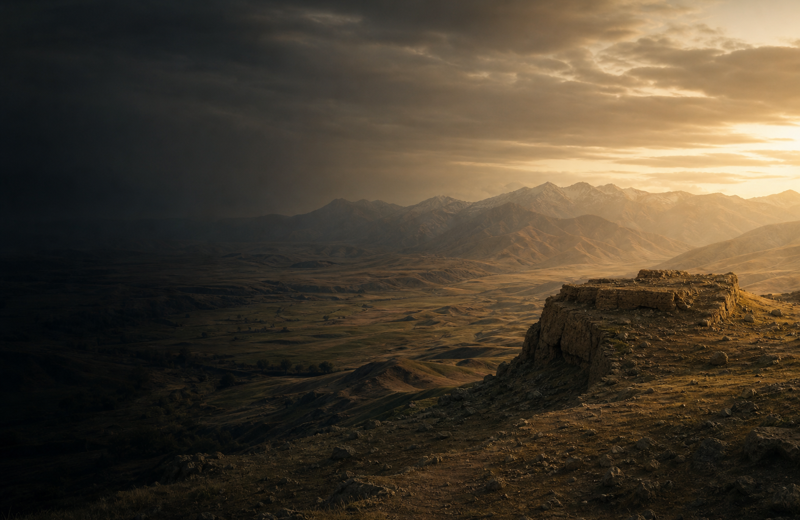
Shirenzigou Echoes
Iron Age Xinjiang at the crossroads of Steppe and East Asia

DNA Spotlights · Ancient and Historical Cultures
Download PDF creates a visual, rasterized copy. Use Print for selectable text and better assistive-technology support.
Explore the places, time periods, and published research behind ancient DNA samples and the cultures associated with them.
Browse the collection1–12 of 31 spotlights
Iron Age Xinjiang at the crossroads of Steppe and East Asia
A small Iron Age community on the Yili (Ili) corridor linking steppe and oasis worlds.
Bronze Age herders in Xinjiang where steppe genes met mountain landscapes
Tiny sample from Xinjiang reveals a stirring, mixed ancestry at the heart of the Yili corridor.
Xinjiang burials (800–1 BCE) revealing a tentative blend of eastern and western maternal and paternal lineages.
Three burials in Xinjiang that hint at a borderland of east and west
Three mitochondrial genomes from Dongmaili hint at east–west maternal threads in Iron Age Xinjiang
Early Bronze Age pastoralists at G218 (3013–2576 BCE) linking steppe lifeways and West-Eurasian genes
Iron Age burials from Xinjiang that hint at steppe ties and mixed west‑east ancestry
Human stories from Luopu County (1–400 CE) where east and west meet
Chemurcheck-era communities at the edge of the Aletai — bones and genes telling a combined story
A small, varied maternal genetic snapshot from Yili's Jirentaigoukou (401–106 BCE)
Our guides explain the methods we use, from population comparisons to matching segments of DNA.