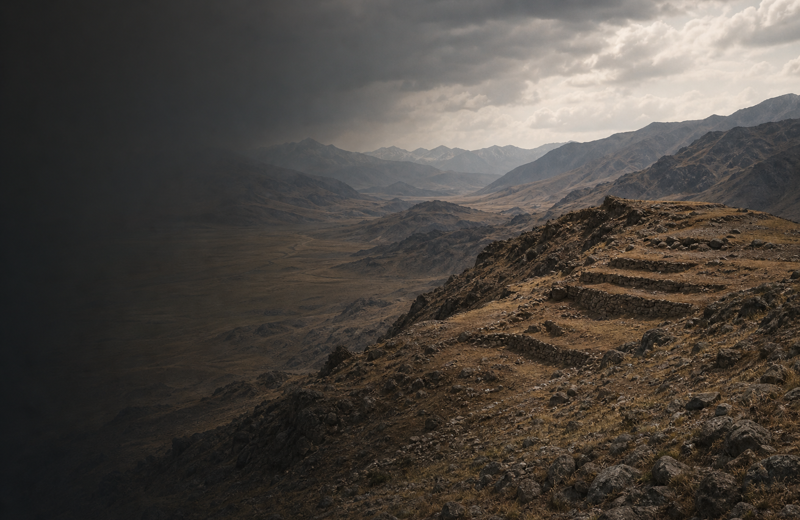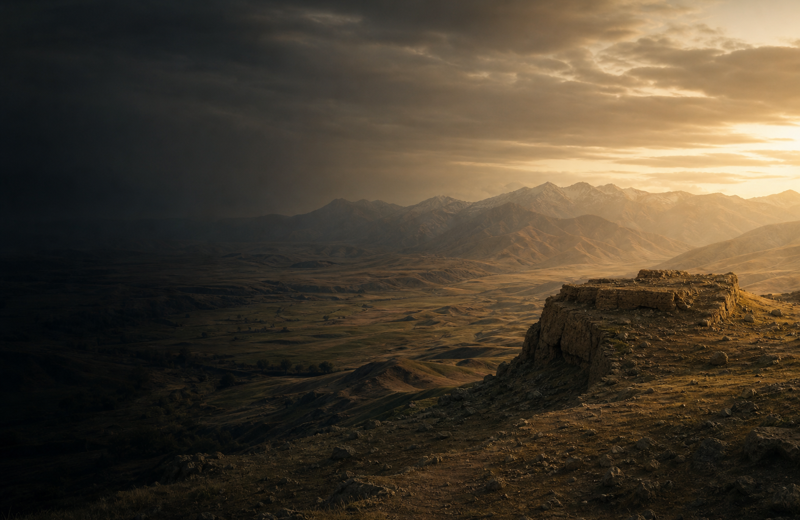
Abusanteer: Iron Age Yili Frontier
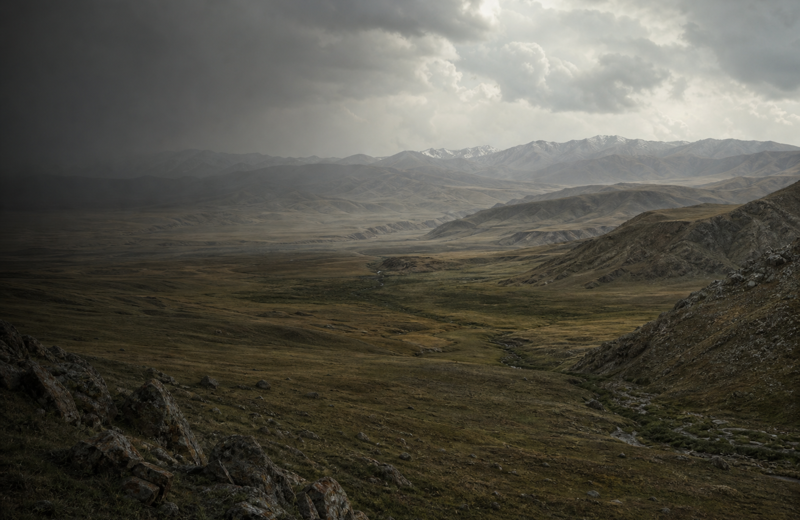
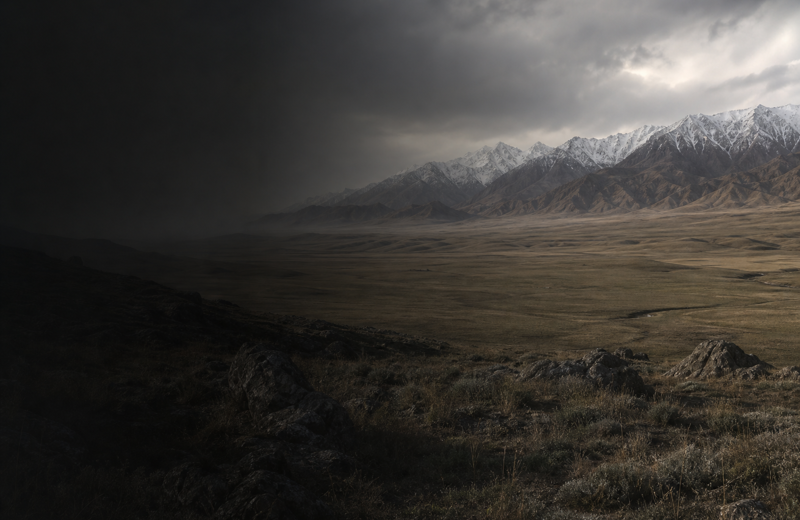
A small Iron Age community on the Yili (Ili) corridor linking steppe and oasis worlds.

DNA Spotlights · Ancient and Historical Cultures
Download PDF creates a visual, rasterized copy. Use Print for selectable text and better assistive-technology support.
Explore the places, time periods, and published research behind ancient DNA samples and the cultures associated with them.
Browse the collection1–12 of 13 spotlights
A small Iron Age community on the Yili (Ili) corridor linking steppe and oasis worlds.
Tiny sample from Xinjiang reveals a stirring, mixed ancestry at the heart of the Yili corridor.
Xinjiang burials (800–1 BCE) revealing a tentative blend of eastern and western maternal and paternal lineages.
Three mitochondrial genomes from Dongmaili hint at east–west maternal threads in Iron Age Xinjiang
Early Bronze Age pastoralists at G218 (3013–2576 BCE) linking steppe lifeways and West-Eurasian genes
A small, varied maternal genetic snapshot from Yili's Jirentaigoukou (401–106 BCE)
Iron Age burials from the Yili Basin where archaeology meets maternal lineages
Four historical-period genomes from Tekesi County reveal a cautious glimpse of east–west interactions in Xinjiang.
Maternal lineages at Kuokesuxi (538–24 BCE) reveal east–west echoes in Xinjiang's Iron Age
Medieval Yili burials (991–1031 CE) revealing mixed maternal lineages U and C at a Xinjiang site
A small genetic window into 385–197 BCE life on the Yili steppe
Burials from Xinjiang's Yili plain revealing tangled steppe and oasis threads
Our guides explain the methods we use, from population comparisons to matching segments of DNA.