


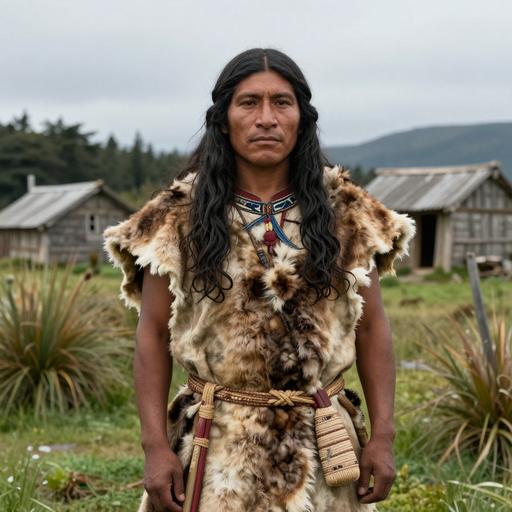
| Individual | Culture/Period | Date | Location | Action |
|---|---|---|---|---|
| Indigenous Cultures of Southern South America individual, Chile | Yamana Culture Beagle Channel, Chile 800 Years Ago | 1048 CE | Beagle Channel. Puerto Williams, Chile | View |
| Indigenous Cultures of South America individual, Chile | Western Archipelago Kaweskar Culture, Chile 800 Years Ago | 1024 CE | Strait of Magellan. Punta Santa María, Chile | View |
| Indigenous Cultures of South America individual, Chile | Western Archipelago Kaweskar Culture, Chile 1,200 Years Ago | 669 CE | Yekchal. Patagonia, Chile | View |
| Indigenous Cultures of Southern South America individual, Chile | Yamana Culture Beagle Channel, Chile 800 Years Ago | 600 CE | Beagle Channel. Hoste Island, Chile | View |
| America South Pre Columbian individual, Chile | 669 CE | Yekchal. Patagonia, Chile | View | |
| America South Pre Columbian individual, Chile | 600 CE | Beagle Channel. Hoste Island, Chile | View | |
| America South Pre Columbian individual, Chile | 1024 CE | Strait of Magellan. Punta Santa María, Chile | View | |
| America South Pre Columbian individual, Chile | 1048 CE | Beagle Channel. Puerto Williams, Chile | View |
Page 1
| Individual | Culture/Period | Date | Location | Action |
|---|---|---|---|---|
| Indigenous Cultures of Southern South America individual, Chile | Yamana Culture Beagle Channel, Chile 800 Years Ago | 1048 CE | Beagle Channel. Puerto Williams, Chile | View |
| Indigenous Cultures of Southern South America individual, Chile | Yamana Culture Beagle Channel, Chile 800 Years Ago | 600 CE | Beagle Channel. Hoste Island, Chile | View |
Page 1