


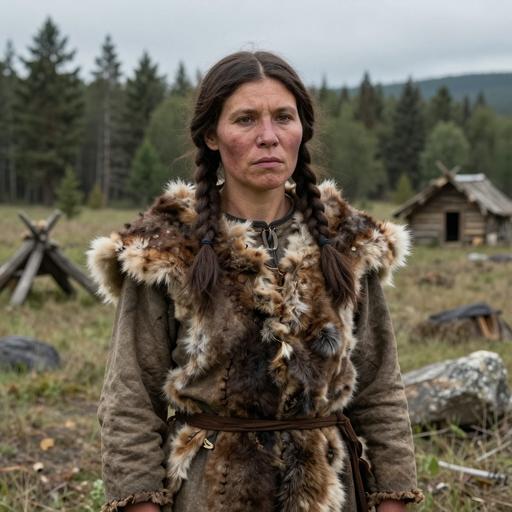
| Individual | Culture/Period | Date | Location | Action |
|---|---|---|---|---|
| Neanderthal individual, Russia | Chagyrskaya Cave Neanderthal, Russia | 98050 BCE | Chagyrskaya Cave, Russia | View |
| Neanderthal individual, Russia | Chagyrskaya Cave Neanderthal, Russia | 98050 BCE | Chagyrskaya-Cave (Altai Krai, Krasnoshchyokovsky District), Russia | View |
| Neanderthal individual, Russia | Chagyrskaya Cave Neanderthal, Russia | 54750 BCE | Chagyrskaya-Cave (Altai Krai, Krasnoshchyokovsky District), Russia | View |
| Neanderthal individual, Russia | 98050 BCE | Chagyrskaya Cave, Russia | View |
Page 1
| Individual | Culture/Period | Date | Location | Action |
|---|---|---|---|---|
| Neanderthal individual, Russia | Chagyrskaya Cave Neanderthal, Russia | 98050 BCE | Chagyrskaya Cave, Russia | View |
| Neanderthal individual, Russia | Chagyrskaya Cave Neanderthal, Russia | 98050 BCE | Chagyrskaya-Cave (Altai Krai, Krasnoshchyokovsky District), Russia | View |
| Neanderthal individual, Russia | Chagyrskaya Cave Neanderthal, Russia | 54750 BCE | Chagyrskaya-Cave (Altai Krai, Krasnoshchyokovsky District), Russia | View |
Page 1