


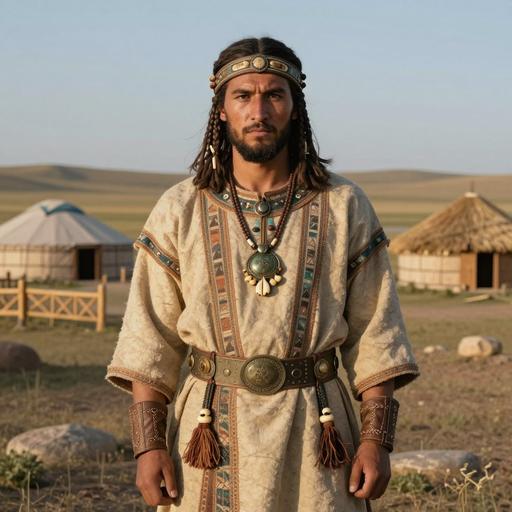
| Individual | Culture/Period | Date | Location | Action |
|---|---|---|---|---|
| Scythian individual, Ukraine | Iron Age Western Scythian Culture, Ukraine | 386 BCE | Kolomak hillfort. №1842. pit 68. excavation IV, Ukraine | View |
| Steppe Cultures individual, Ukraine | Cimmerian Culture, Ukraine | 990 BCE | Cartal III. NW part of the burial ground. plot I. grave 101, Ukraine | View |
| Scythian individual, Ukraine | Iron Age Western Scythian Culture, Ukraine | 755 BCE | Medwin. Group I. mound 6/1, Ukraine | View |
| Scythian individual, Ukraine | Iron Age Western Scythian Culture, Ukraine | 750 BCE | Kup'evaha. Mound 25. burial 1. skeleton 3, Ukraine | View |
| Steppe Cultures individual, Ukraine | Cimmerian Culture, Ukraine | 1284 BCE | Dykyi Sad hillfort. "Citadel". Room №7 in the "Citadel, Ukraine | View |
| East Slavic individual, Ukraine | Chernyakhiv Culture, Ukraine | 261 CE | Legedzine. Grave 20, Ukraine | View |
| Indo-European individual, Ukraine | Bronze Age Catacomb Culture, Ukraine | 2461 BCE | Mamai-Gora. The central sector of the burial. Mound 162. burial 15. skeleton 2, Ukraine | View |
| Scythian individual, Ukraine | Iron Age Western Scythian Culture, Ukraine | 366 BCE | Mamai-Gora. The eastern sector of the burial. Object 165. burial 1, Ukraine | View |
| Proto-Indo-European individual, Ukraine | Early Bronze Age Yamnaya Culture, Ukraine | 2865 BCE | Kumy. Mound 6. burial 8, Ukraine | View |
| Scythian individual, Ukraine | Iron Age Western Scythian Culture, Ukraine | 751 BCE | Kup'evaha. Mound 25. burial 1. skeleton 1, Ukraine | View |
| East Slavic individual, Ukraine | Chernyakhiv Culture, Ukraine | 248 CE | Shyshaky. Grave 112 in the central part of the burial ground, Ukraine | View |
| Indo-European individual, Ukraine | Late Srubnaya Culture, Ukraine | 775 BCE | Kumy. Mound 1. burial 2, Ukraine | View |
| Scythian individual, Ukraine | Iron Age Western Scythian Culture, Ukraine | 778 BCE | Medwin. Group I. mound 22/1, Ukraine | View |
| Scythian individual, Ukraine | Iron Age Western Scythian Culture, Ukraine | 758 BCE | Medwin. Group I. mound 18/1, Ukraine | View |
| Scythian individual, Ukraine | Iron Age Western Scythian Culture, Ukraine | 725 BCE | Mamai-Gora. The eastern sector of the burial. Object 175. burial 1, Ukraine | View |
| East Slavic individual, Ukraine | Chernyakhiv Culture, Ukraine | 247 CE | Komariv-1. Grave 3, Ukraine | View |
| Steppe Nomads individual, Russia | Middle Sarmatian Culture, Southern Urals, Russia | 367 BCE | Chumarovo-1. Mound 10. burial 10, Russia | View |
| Steppe Nomads individual, Russia | Early Sarmatian Culture, Southern Urals, Russia | 749 BCE | Avlasovo. Mound 3. burial 2, Russia | View |
| Scythian individual, Russia | Eastern Scythian Culture, Southern Urals, Russia | 793 BCE | Nikolaevka II. Mound 1. burial 2, Russia | View |
| Steppe Nomads individual, Russia | Early Sarmatian Culture, Southern Urals, Russia | 413 BCE | Sibai-1. Mound 1. burial 1. skeleton 2, Russia | View |
| Steppe Nomads individual, Russia | Early Sarmatian Culture, Southern Urals, Russia | 481 BCE | Novo-Muraptalovo-7. Mound 1. burial 2, Russia | View |
| Steppe Nomads individual, Russia | Early Sarmatian Culture, Southern Urals, Russia | 727 BCE | Perevolochan-2. Mound 4. burial 3, Russia | View |
| Steppe Nomads individual, Russia | Early Sarmatian Culture, Southern Urals, Russia | 387 BCE | Ivanovka-1. Mound 5. burial 3, Russia | View |
| Iranian Nomads individual, Russia | Sarmatian Culture, Russia | 162 BCE | Zolka. Mound 4. burial 30, Russia | View |
| Scythian individual, Russia | Eastern Scythian Culture, Southern Urals, Russia | 396 BCE | Manhar-2. Burial 1, Russia | View |
| Steppe Cultures individual, Kazakhstan | Early Iron Age Kazakhstan | 750 BCE | Almaty. Talgar. Birlik, Kazakhstan | View |
| Scythian individual, Kazakhstan | Saka Culture in Kazakhstan | 775 BCE | Taldy-2. Mound 4, Kazakhstan | View |
| Steppe Nomads individual, Kazakhstan | Tasmola Culture in Kazakhstan | 795 BCE | Aksu-Ayuly-4. Mound 3, Kazakhstan | View |
| Steppe Nomads individual, Kazakhstan | Tasmola Culture in Kazakhstan | 393 BCE | Nurken-2. Mound 6, Kazakhstan | View |
| Scythian individual, Ukraine | Iron Age Western Scythian-Cimmerian Culture, Ukraine | 393 BCE | Bidylo I. Mound 2. burial 1, Ukraine | View |
| Scythian individual, Ukraine | Scythian Culture | 393 BCE | Staryi-Merchik-2 (Kharkiv Oblast, Bohodukhiv District, Valkiv municipality), Ukraine | View |
| Scythian individual, Ukraine | 393 BCE | Bidylo I. Mound 2. burial 1, Ukraine | View | |
| Tasmola individual, Kazakhstan | 750 BCE | Almaty. Talgar. Birlik, Kazakhstan | View | |
| Scythian Sarmatian individual, Russia | 481 BCE | Novo-Muraptalovo-7. Mound 1. burial 2, Russia | View | |
| Catacomb individual, Ukraine | 2865 BCE | Kumy. Mound 6. burial 8, Ukraine | View | |
| Srubnaya individual, Ukraine | 775 BCE | Kumy. Mound 1. burial 2, Ukraine | View | |
| Catacomb individual, Ukraine | 2461 BCE | Mamai-Gora. The central sector of the burial. Mound 162. burial 15. skeleton 2, Ukraine | View | |
| Cimmerian individual, Ukraine | 990 BCE | Cartal III. NW part of the burial ground. plot I. grave 101, Ukraine | View | |
| Scythian individual, Ukraine | 750 BCE | Kup'evaha. Mound 25. burial 1. skeleton 3, Ukraine | View | |
| Scythian individual, Ukraine | 778 BCE | Medwin. Group I. mound 22/1, Ukraine | View | |
| Scythian individual, Ukraine | 393 BCE | St Merchik. Group II. mound 1. burial 1, Ukraine | View | |
| Scythian individual, Ukraine | 755 BCE | Medwin. Group I. mound 6/1, Ukraine | View | |
| Chernoles individual, Ukraine | 261 CE | Legedzine. Grave 20, Ukraine | View | |
| Cimmerian individual, Ukraine | 1284 BCE | Dykyi Sad hillfort. "Citadel". Room №7 in the "Citadel, Ukraine | View | |
| Scythian individual, Ukraine | 758 BCE | Medwin. Group I. mound 18/1, Ukraine | View | |
| Scythian individual, Ukraine | 386 BCE | Kolomak hillfort. №1842. pit 68. excavation IV, Ukraine | View | |
| Scythian individual, Ukraine | 751 BCE | Kup'evaha. Mound 25. burial 1. skeleton 1, Ukraine | View | |
| Chernoles individual, Ukraine | 247 CE | Komariv-1. Grave 3, Ukraine | View | |
| Chernoles individual, Ukraine | 248 CE | Shyshaky. Grave 112 in the central part of the burial ground, Ukraine | View | |
| Sarmatian individual, Russia | 162 BCE | Zolka. Mound 4. burial 30, Russia | View | |
| Scythian Sarmatian individual, Russia | 387 BCE | Ivanovka-1. Mound 5. burial 3, Russia | View | |
| Scythian Sarmatian individual, Russia | 396 BCE | Manhar-2. Burial 1, Russia | View | |
| Scythian Sarmatian individual, Russia | 749 BCE | Avlasovo. Mound 3. burial 2, Russia | View | |
| Scythian Sarmatian individual, Russia | 793 BCE | Nikolaevka II. Mound 1. burial 2, Russia | View | |
| Scythian Sarmatian individual, Russia | 413 BCE | Sibai-1. Mound 1. burial 1. skeleton 2, Russia | View | |
| Scythian Sarmatian individual, Russia | 367 BCE | Chumarovo-1. Mound 10. burial 10, Russia | View | |
| Scythian individual, Ukraine | 366 BCE | Mamai-Gora. The eastern sector of the burial. Object 165. burial 1, Ukraine | View | |
| Scythian individual, Ukraine | 725 BCE | Mamai-Gora. The eastern sector of the burial. Object 175. burial 1, Ukraine | View | |
| Tasmola individual, Kazakhstan | 775 BCE | Taldy-2. Mound 4, Kazakhstan | View | |
| Tasmola individual, Kazakhstan | 795 BCE | Aksu-Ayuly-4. Mound 3, Kazakhstan | View | |
| Tasmola individual, Kazakhstan | 393 BCE | Nurken-2. Mound 6, Kazakhstan | View | |
| Scythian Sarmatian individual, Russia | 727 BCE | Perevolochan-2. Mound 4. burial 3, Russia | View | |
| Scythian individual, Ukraine | 393 BCE | St Merchik. Group II. mound 1. burial 1, Ukraine | View |
Page 1
| Individual | Culture/Period | Date | Location | Action |
|---|---|---|---|---|
| Scythian individual, Kazakhstan | Saka Culture in Kazakhstan | 767 BCE | Tian Shan. Central Steppe, Kazakhstan | View |
| Scythian individual, Kazakhstan | Saka Culture in Kazakhstan | 756 BCE | Tian Shan. Central Steppe, Kazakhstan | View |
| Scythian individual, Kazakhstan | Saka Culture in Kazakhstan | 767 BCE | Tian Shan. Central Steppe, Kazakhstan | View |
| Scythian individual, Kazakhstan | Saka Culture in Kazakhstan | 777 BCE | Tian Shan. Central Steppe, Kazakhstan | View |
| Scythian individual, Kazakhstan | Saka Culture in Kazakhstan | 769 BCE | Tian Shan. Central Steppe, Kazakhstan | View |
| Scythian individual, Kazakhstan | Saka Culture in Kazakhstan | 775 BCE | Taldy-2. Mound 4, Kazakhstan | View |
Page 1