


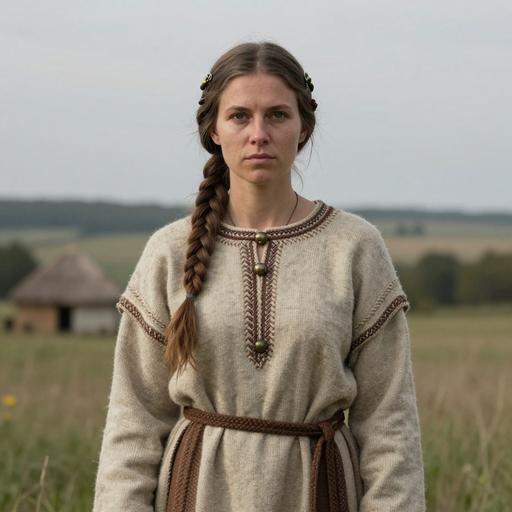
| Individual | Culture/Period | Date | Location | Action |
|---|---|---|---|---|
| Indo-European individual, Poland | Corded Ware Culture Southeast Poland | 2465 BCE | Southeastern Poland. Łubcze, Poland | View |
| Indo-European individual, Poland | Corded Ware Culture Southeast Poland | 2500 BCE | Southeastern Poland. Łubcze, Poland | View |
| Indo-European individual, Poland | Corded Ware Culture Southeast Poland | 2571 BCE | Southeastern Poland. Święte, Poland | View |
| Indo-European individual, Poland | Bell Beaker Culture Southeast Poland | 2455 BCE | Southeastern Poland. Pełczyska, Poland | View |
| Indo-European individual, Poland | Corded Ware Culture Southeast Poland | 2469 BCE | Southeastern Poland. Święte, Poland | View |
| Indo-European individual, Poland | Corded Ware Culture Southeast Poland | 2500 BCE | Southeastern Poland. Chłopice, Poland | View |
| Indo-European individual, Poland | Bell Beaker Culture Southeast Poland | 2500 BCE | Southeastern Poland. Pełczyska, Poland | View |
| Indo-European individual, Poland | Corded Ware Culture Southeast Poland | 2469 BCE | Southeastern Poland. Święte, Poland | View |
| Indo-European individual, Poland | Corded Ware Culture Southeast Poland | 2571 BCE | Southeastern Poland. Święte, Poland | View |
| Indo-European individual, Poland | Corded Ware Culture Southeast Poland | 2462 BCE | Southeastern Poland. Łubcze, Poland | View |
| Indo-European individual, Poland | Corded Ware Culture Southeast Poland | 2455 BCE | Southeastern Poland. Skołoszów, Poland | View |
| Indo-European individual, Poland | Corded Ware Culture Southeast Poland | 2500 BCE | Southeastern Poland. Bosutów, Poland | View |
| Indo-European individual, Poland | Bell Beaker Culture Southeast Poland | 2500 BCE | Southeastern Poland. Pełczyska, Poland | View |
| Indo-European individual, Poland | Corded Ware Culture Southeast Poland | 2500 BCE | Southeastern Poland. Mistrzejowice, Poland | View |
| Indo-European individual, Poland | Corded Ware Culture Southeast Poland | 2617 BCE | Southeastern Poland. Chłopice, Poland | View |
| Indo-European individual, Poland | Corded Ware Culture Southeast Poland | 2500 BCE | Southeastern Poland. Szczytna, Poland | View |
| Indo-European individual, Poland | Corded Ware Culture Southeast Poland | 2500 BCE | Southeastern Poland. Proszowice, Poland | View |
| Indo-European individual, Poland | Corded Ware Culture Southeast Poland | 2463 BCE | Southeastern Poland. Mirocin, Poland | View |
| Indo-European individual, Poland | Corded Ware Culture Southeast Poland | 2500 BCE | Southeastern Poland. Święte, Poland | View |
| Niche Graves individual, Poland | 2571 BCE | Southeastern Poland. Święte, Poland | View | |
| Niche Graves individual, Poland | 2571 BCE | Southeastern Poland. Święte, Poland | View | |
| Niche Graves individual, Poland | 2469 BCE | Southeastern Poland. Święte, Poland | View | |
| Niche Graves individual, Poland | 2500 BCE | Southeastern Poland. Święte, Poland | View | |
| Niche Graves individual, Poland | 2469 BCE | Southeastern Poland. Święte, Poland | View | |
| Niche Graves individual, Poland | 2500 BCE | Southeastern Poland. Szczytna, Poland | View | |
| Niche Graves individual, Poland | 2463 BCE | Southeastern Poland. Mirocin, Poland | View | |
| Niche Graves individual, Poland | 2455 BCE | Southeastern Poland. Skołoszów, Poland | View | |
| Niche Graves individual, Poland | 2500 BCE | Southeastern Poland. Chłopice, Poland | View | |
| Niche Graves individual, Poland | 2617 BCE | Southeastern Poland. Chłopice, Poland | View | |
| Niche Graves individual, Poland | 2500 BCE | Southeastern Poland. Mistrzejowice, Poland | View | |
| Bell Beaker individual, Poland | 2455 BCE | Southeastern Poland. Pełczyska, Poland | View | |
| Bell Beaker individual, Poland | 2500 BCE | Southeastern Poland. Pełczyska, Poland | View | |
| Bell Beaker individual, Poland | 2500 BCE | Southeastern Poland. Pełczyska, Poland | View | |
| Niche Graves individual, Poland | 2462 BCE | Southeastern Poland. Łubcze, Poland | View | |
| Niche Graves individual, Poland | 2500 BCE | Southeastern Poland. Łubcze, Poland | View | |
| Niche Graves individual, Poland | 2465 BCE | Southeastern Poland. Łubcze, Poland | View | |
| Niche Graves individual, Poland | 2500 BCE | Southeastern Poland. Proszowice, Poland | View | |
| Niche Graves individual, Poland | 2500 BCE | Southeastern Poland. Bosutów, Poland | View |
Page 1
| Individual | Culture/Period | Date | Location | Action |
|---|---|---|---|---|
| Indo-European individual, Poland | Corded Ware Culture Southeast Poland | 2465 BCE | Southeastern Poland. Łubcze, Poland | View |
| Indo-European individual, Poland | Corded Ware Culture Southeast Poland | 2500 BCE | Southeastern Poland. Łubcze, Poland | View |
| Indo-European individual, Poland | Corded Ware Culture Southeast Poland | 2571 BCE | Southeastern Poland. Święte, Poland | View |
| Indo-European individual, Poland | Corded Ware Culture Southeast Poland | 2469 BCE | Southeastern Poland. Święte, Poland | View |
| Indo-European individual, Poland | Corded Ware Culture Southeast Poland | 2500 BCE | Southeastern Poland. Chłopice, Poland | View |
| Indo-European individual, Poland | Corded Ware Culture Southeast Poland | 2469 BCE | Southeastern Poland. Święte, Poland | View |
| Indo-European individual, Poland | Corded Ware Culture Southeast Poland | 2571 BCE | Southeastern Poland. Święte, Poland | View |
| Indo-European individual, Poland | Corded Ware Culture Southeast Poland | 2462 BCE | Southeastern Poland. Łubcze, Poland | View |
| Indo-European individual, Poland | Corded Ware Culture Southeast Poland | 2455 BCE | Southeastern Poland. Skołoszów, Poland | View |
| Indo-European individual, Poland | Corded Ware Culture Southeast Poland | 2500 BCE | Southeastern Poland. Bosutów, Poland | View |
| Indo-European individual, Poland | Corded Ware Culture Southeast Poland | 2500 BCE | Southeastern Poland. Mistrzejowice, Poland | View |
| Indo-European individual, Poland | Corded Ware Culture Southeast Poland | 2617 BCE | Southeastern Poland. Chłopice, Poland | View |
| Indo-European individual, Poland | Corded Ware Culture Southeast Poland | 2500 BCE | Southeastern Poland. Szczytna, Poland | View |
| Indo-European individual, Poland | Corded Ware Culture Southeast Poland | 2500 BCE | Southeastern Poland. Proszowice, Poland | View |
| Indo-European individual, Poland | Corded Ware Culture Southeast Poland | 2463 BCE | Southeastern Poland. Mirocin, Poland | View |
| Indo-European individual, Poland | Corded Ware Culture Southeast Poland | 2500 BCE | Southeastern Poland. Święte, Poland | View |
Page 1