


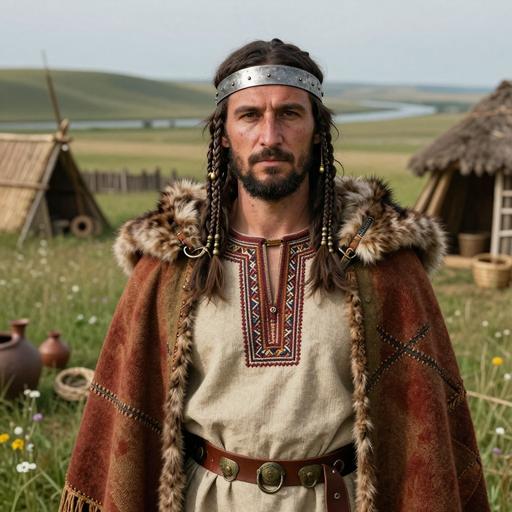
| Individual | Culture/Period | Date | Location | Action |
|---|---|---|---|---|
| Bashkortostan LBA individual, Russia | Srubnaya-Alakul Culture, Russia | 1879 BCE | Republic of Bashkorstan. Near Usmanovo village. Kazburun 1, Russia | View |
| EIA Scythian individual, Ukraine | Scythian Culture, Ukraine | 800 BCE | Cherkasy Region. Gorodische District. Starosillya, Ukraine | View |
| Scythian individual, Ukraine | Scythian Culture, Ukraine | 766 BCE | Cherkasy Region. Gorodische District. Starosillya, Ukraine | View |
| Scythian individual, Ukraine | Scythian Culture, Ukraine | 789 BCE | Cherkasy Region. Gorodische District. Starosillya, Ukraine | View |
| Scythian individual, Ukraine | Scythian Culture, Ukraine | 356 BCE | Cherkasy Region. Mankivsky District. Nesterivka, Ukraine | View |
| Indo-European individual, Russia | Srubnaya-Alakul Culture, Russia | 1881 BCE | Republic of Bashkorstan. Near Usmanovo Village. Muradym 8, Russia | View |
| Indo-European individual, Russia | Srubnaya-Alakul Culture, Russia | 1873 BCE | Republic of Bashkorstan. Near Usmanovo village. Kazburun 1, Russia | View |
| Indo-European individual, Russia | Srubnaya-Alakul Culture, Russia | 1888 BCE | Republic of Bashkorstan. Near Usmanovo Village. Muradym 8, Russia | View |
| Indo-European individual, Russia | Srubnaya-Alakul Culture, Russia | 1887 BCE | Republic of Bashkorstan. Near Usmanovo village. Kazburun 1, Russia | View |
| Eurasian Nomadic individual, Russia | Late Sarmatian Culture, Russia | 131 CE | Republic of Bashkortostan. Baymak Distict. Temyaysovo-1 burial ground, Russia | View |
| Indo-European individual, Russia | Srubnaya-Alakul Culture, Russia | 1868 BCE | Republic of Bashkorstan. Near Usmanovo village. Kazburun 1, Russia | View |
| Eurasian Nomadic individual, Russia | Late Sarmatian Culture, Russia | 81 CE | Orenburg Regio. Southern Urals. Cherniy Yar, Russia | View |
| Indo-European individual, Russia | Srubnaya-Alakul Culture, Russia | 1882 BCE | Republic of Bashkorstan. Near Usmanovo village. Kazburun 1, Russia | View |
| Indo-European individual, Russia | Srubnaya-Alakul Culture, Russia | 1866 BCE | Republic of Bashkorstan. Near Usmanovo village. Kazburun 1, Russia | View |
| Eurasian Nomadic individual, Russia | Late Sarmatian Culture, Russia | 121 CE | Republic of Bashkortostan. Baymak Distict. Temyaysovo-1 burial ground, Russia | View |
| Eurasian Nomadic individual, Russia | Late Sarmatian Culture, Russia | 27 CE | Orenburg Regio. Southern Urals. Cherniy Yar, Russia | View |
| Indo-European individual, Russia | Srubnaya-Alakul Culture, Russia | 1740 BCE | Republic of Bashkorstan. Near Usmanovo village. Kazburun 1, Russia | View |
| Eurasian Nomadic individual, Russia | Late Sarmatian Culture, Russia | 129 CE | Republic of Bashkortostan. Baymak Distict. Temyaysovo-1 burial ground, Russia | View |
| Indo-European individual, Russia | Srubnaya-Alakul Culture, Russia | 1870 BCE | Republic of Bashkorstan. Near Usmanovo village. Kazburun 1, Russia | View |
| Indo-European individual, Russia | Srubnaya-Alakul Culture, Russia | 1740 BCE | Republic of Bashkorstan. Near Usmanovo Village. Muradym 8, Russia | View |
| Indo-European individual, Russia | Srubnaya-Alakul Culture, Russia | 1680 BCE | Republic of Bashkorstan. Near Usmanovo Village. Muradym 8, Russia | View |
| Indo-European individual, Russia | Srubnaya-Alakul Culture, Russia | 1872 BCE | Republic of Bashkorstan. Near Usmanovo village. Kazburun 1, Russia | View |
| Scythian individual, Moldova | Scythian Period Glinoe, Moldova | 386 BCE | Slobodzeya District. Glinoe, Moldova | View |
| Scythian individual, Moldova | Scythian Period Glinoe, Moldova | 390 BCE | Slobodzeya District. Glinoe, Moldova | View |
| Scythian individual, Moldova | Scythian Period Glinoe, Moldova | 400 BCE | Slobodzeya District. Glinoe, Moldova | View |
| Steppe Cultures individual, Moldova | Cimmerian Period Moldova | 1011 BCE | Rybnitsa District. Mokra, Moldova | View |
| Scythian individual, Moldova | Scythian Period Glinoe, Moldova | 395 BCE | Slobodzeya District. Glinoe, Moldova | View |
| Scythian individual, Moldova | Scythian Period Glinoe, Moldova | 391 BCE | Slobodzeya District. Glinoe, Moldova | View |
| Scythian individual, Moldova | Scythian Period Glinoe, Moldova | 400 BCE | Slobodzeya District. Glinoe, Moldova | View |
| Steppe Cultures individual, Moldova | Cimmerian Period Moldova | 916 BCE | Slobodzeya District. Glinoe Sad, Moldova | View |
| Scythian individual, Moldova | Scythian Period Glinoe, Moldova | 396 BCE | Slobodzeya District. Glinoe, Moldova | View |
| Steppe Cultures individual, Moldova | Cimmerian Period Moldova | 971 BCE | Slobodzeya District. Glinoe Sad, Moldova | View |
| Scythian individual, Moldova | Scythian Period Glinoe, Moldova | 367 BCE | Slobodzeya District. Glinoe, Moldova | View |
| Scythian individual, Moldova | Scythian Period Glinoe, Moldova | 400 BCE | Slobodzeya District. Glinoe, Moldova | View |
| Scythian individual, Moldova | Scythian Period Glinoe, Moldova | 250 CE | Slobodzeya District. Glinoe, Moldova | View |
| Sarmatian individual, Russia | 27 CE | Orenburg Regio. Southern Urals. Cherniy Yar, Russia | View | |
| Sarmatian individual, Russia | 81 CE | Orenburg Regio. Southern Urals. Cherniy Yar, Russia | View | |
| Cimmerian individual, Moldova | 916 BCE | Slobodzeya District. Glinoe Sad, Moldova | View | |
| Cimmerian individual, Moldova | 971 BCE | Slobodzeya District. Glinoe Sad, Moldova | View | |
| Cimmerian individual, Moldova | 1011 BCE | Rybnitsa District. Mokra, Moldova | View | |
| Srubnaya Alakul individual, Russia | 1740 BCE | Republic of Bashkorstan. Near Usmanovo village. Kazburun 1, Russia | View | |
| Srubnaya Alakul individual, Russia | 1870 BCE | Republic of Bashkorstan. Near Usmanovo village. Kazburun 1, Russia | View | |
| Srubnaya Alakul individual, Russia | 1872 BCE | Republic of Bashkorstan. Near Usmanovo village. Kazburun 1, Russia | View | |
| Srubnaya Alakul individual, Russia | 1882 BCE | Republic of Bashkorstan. Near Usmanovo village. Kazburun 1, Russia | View | |
| Srubnaya Alakul individual, Russia | 1868 BCE | Republic of Bashkorstan. Near Usmanovo village. Kazburun 1, Russia | View | |
| Srubnaya Alakul individual, Russia | 1873 BCE | Republic of Bashkorstan. Near Usmanovo village. Kazburun 1, Russia | View | |
| Srubnaya Alakul individual, Russia | 1887 BCE | Republic of Bashkorstan. Near Usmanovo village. Kazburun 1, Russia | View | |
| Srubnaya Alakul individual, Russia | 1866 BCE | Republic of Bashkorstan. Near Usmanovo village. Kazburun 1, Russia | View | |
| Srubnaya Alakul individual, Russia | 1740 BCE | Republic of Bashkorstan. Near Usmanovo Village. Muradym 8, Russia | View | |
| Srubnaya Alakul individual, Russia | 1680 BCE | Republic of Bashkorstan. Near Usmanovo Village. Muradym 8, Russia | View | |
| Srubnaya Alakul individual, Russia | 1881 BCE | Republic of Bashkorstan. Near Usmanovo Village. Muradym 8, Russia | View | |
| Srubnaya Alakul individual, Russia | 1888 BCE | Republic of Bashkorstan. Near Usmanovo Village. Muradym 8, Russia | View | |
| Scythian individual, Ukraine | 766 BCE | Cherkasy Region. Gorodische District. Starosillya, Ukraine | View | |
| Scythian individual, Ukraine | 789 BCE | Cherkasy Region. Gorodische District. Starosillya, Ukraine | View | |
| Scythian individual, Ukraine | 356 BCE | Cherkasy Region. Mankivsky District. Nesterivka, Ukraine | View | |
| Scythian individual, Moldova | 400 BCE | Slobodzeya District. Glinoe, Moldova | View | |
| Scythian individual, Moldova | 400 BCE | Slobodzeya District. Glinoe, Moldova | View | |
| Scythian individual, Moldova | 400 BCE | Slobodzeya District. Glinoe, Moldova | View | |
| Scythian individual, Moldova | 395 BCE | Slobodzeya District. Glinoe, Moldova | View | |
| Scythian individual, Moldova | 390 BCE | Slobodzeya District. Glinoe, Moldova | View | |
| Scythian individual, Moldova | 386 BCE | Slobodzeya District. Glinoe, Moldova | View | |
| Scythian individual, Moldova | 367 BCE | Slobodzeya District. Glinoe, Moldova | View | |
| Scythian individual, Moldova | 396 BCE | Slobodzeya District. Glinoe, Moldova | View | |
| Scythian individual, Moldova | 391 BCE | Slobodzeya District. Glinoe, Moldova | View | |
| Scythian individual, Moldova | 250 CE | Slobodzeya District. Glinoe, Moldova | View | |
| Sarmatian individual, Russia | 129 CE | Republic of Bashkortostan. Baymak Distict. Temyaysovo-1 burial ground, Russia | View | |
| Sarmatian individual, Russia | 121 CE | Republic of Bashkortostan. Baymak Distict. Temyaysovo-1 burial ground, Russia | View | |
| Sarmatian individual, Russia | 131 CE | Republic of Bashkortostan. Baymak Distict. Temyaysovo-1 burial ground, Russia | View |
Page 1
| Individual | Culture/Period | Date | Location | Action |
|---|---|---|---|---|
| Scythian individual, Moldova | Scythian Period Glinoe, Moldova | 386 BCE | Slobodzeya District. Glinoe, Moldova | View |
| Scythian individual, Moldova | Scythian Period Glinoe, Moldova | 390 BCE | Slobodzeya District. Glinoe, Moldova | View |
| Scythian individual, Moldova | Scythian Period Glinoe, Moldova | 400 BCE | Slobodzeya District. Glinoe, Moldova | View |
| Scythian individual, Moldova | Scythian Period Glinoe, Moldova | 395 BCE | Slobodzeya District. Glinoe, Moldova | View |
| Scythian individual, Moldova | Scythian Period Glinoe, Moldova | 391 BCE | Slobodzeya District. Glinoe, Moldova | View |
| Scythian individual, Moldova | Scythian Period Glinoe, Moldova | 400 BCE | Slobodzeya District. Glinoe, Moldova | View |
| Scythian individual, Moldova | Scythian Period Glinoe, Moldova | 396 BCE | Slobodzeya District. Glinoe, Moldova | View |
| Scythian individual, Moldova | Scythian Period Glinoe, Moldova | 367 BCE | Slobodzeya District. Glinoe, Moldova | View |
| Scythian individual, Moldova | Scythian Period Glinoe, Moldova | 400 BCE | Slobodzeya District. Glinoe, Moldova | View |
| Scythian individual, Moldova | Scythian Period Glinoe, Moldova | 250 CE | Slobodzeya District. Glinoe, Moldova | View |
Page 1