


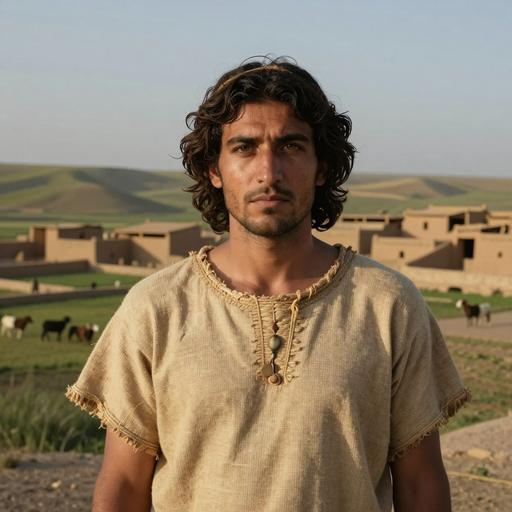
| Individual | Culture/Period | Date | Location | Action |
|---|---|---|---|---|
| Seh Gabi individual, Iran | Chalcolithic Iran | 4700 BCE | Seh Gabi, Iran | View |
| Ancient Near Eastern Civilization individual, Armenia | Chalcolithic Armenia | 4330 BCE | Areni 1, Armenia | View |
| Ancient Near Eastern Civilization individual, Armenia | Chalcolithic Armenia | 4236 BCE | Areni 1, Armenia | View |
| Ancient Near Eastern Civilization individual, Armenia | Chalcolithic Armenia | 4311 BCE | Areni 1, Armenia | View |
| Kalavan EBA Kura Araxes individual, Armenia | Early Bronze Age Armenia | 2623 BCE | Kalavan, Armenia | View |
| Kalavan EBA Kura Araxes individual, Armenia | Early Bronze Age Armenia | 2621 BCE | Kalavan, Armenia | View |
| Talin EBA Kura Araxes individual, Armenia | Early Bronze Age Armenia | 3350 BCE | Talin, Armenia | View |
| Katnaghbiur1 MBA individual, Armenia | Middle Bronze Age Armenia | 1502 BCE | Katnaghbiur 1, Armenia | View |
| Ancient Near Eastern Civilization individual, Armenia | Chalcolithic Armenia | 4230 BCE | Areni 1, Armenia | View |
| Ancient Near Eastern Civilization individual, Armenia | Chalcolithic Armenia | 4350 BCE | Areni 1, Armenia | View |
| Ancient Near Eastern Civilization individual, Iran | Neolithic Ganj Dareh | 8170 BCE | Ganj Dareh, Iran | View |
| EBA individual, Jordan | Early Bronze Age Jordan | 2198 BCE | 'Ain Ghazal, Jordan | View |
| EBA individual, Jordan | Early Bronze Age Jordan | 2490 BCE | 'Ain Ghazal, Jordan | View |
| PPNB individual, Jordan | Pre-Pottery Neolithic B Jordan | 8300 BCE | 'Ain Ghazal, Jordan | View |
| Natufian/Levantine individual, Jordan | Pre-Pottery Neolithic B Jordan | 7741 BCE | 'Ain Ghazal, Jordan | View |
| Natufian/Levantine individual, Jordan | Pre-Pottery Neolithic B Jordan | 7732 BCE | 'Ain Ghazal, Jordan | View |
| Natufian/Levantine individual, Jordan | Pre-Pottery Neolithic B Jordan | 7451 BCE | 'Ain Ghazal, Jordan | View |
| Ancient Near Eastern Civilization individual, Jordan | Early Bronze Age Jordan | 2557 BCE | 'Ain Ghazal, Jordan | View |
| PPNC individual, Jordan | Pre-Pottery Neolithic C Jordan | 6800 BCE | 'Ain Ghazal, Jordan | View |
| Seh Gabi individual, Iran | Chalcolithic Iran | 4840 BCE | Seh Gabi, Iran | View |
| Seh Gabi individual, Iran | Chalcolithic Iran | 4836 BCE | Seh Gabi, Iran | View |
| Seh Gabi individual, Iran | Chalcolithic Iran | 3978 BCE | Seh Gabi, Iran | View |
| Seh Gabi individual, Iran | Chalcolithic Iran | 3957 BCE | Seh Gabi, Iran | View |
| Ancient Near Eastern Civilization individual, Iran | Late Neolithic Iran | 5840 BCE | Seh Gabi, Iran | View |
| Levantine Neolithic individual, Israel | Pre-Pottery Neolithic B Israel | 7300 BCE | Motza, Israel | View |
| Levantine individual, Israel | Natufian Culture in Israel | 12000 BCE | Raqefet Cave, Israel | View |
| Ancient Anatolian individual, Turkey | Chalcolithic Turkey | 3946 BCE | Northwest Anatolia. Marmara. Barcın, Turkey | View |
| Levantine individual, Israel | Natufian Culture in Israel | 12000 BCE | Raqefet Cave, Israel | View |
| Levantine individual, Israel | Natufian Culture in Israel | 12000 BCE | Raqefet Cave, Israel | View |
| Levantine individual, Israel | Natufian Culture in Israel | 12000 BCE | Raqefet Cave, Israel | View |
| Levantine individual, Israel | Natufian Culture in Israel | 12000 BCE | Raqefet Cave, Israel | View |
| Levantine individual, Israel | Natufian Culture in Israel | 11541 BCE | Raqefet Cave, Israel | View |
| Natufian/Levantine individual, Jordan | Pre-Pottery Neolithic B Jordan | 8300 BCE | 'Ain Ghazal, Jordan | View |
| Natufian/Levantine individual, Jordan | Pre-Pottery Neolithic B Jordan | 8300 BCE | 'Ain Ghazal, Jordan | View |
| Natufian/Levantine individual, Jordan | Pre-Pottery Neolithic B Jordan | 8176 BCE | 'Ain Ghazal, Jordan | View |
| Natufian/Levantine individual, Jordan | Pre-Pottery Neolithic B Jordan | 7752 BCE | 'Ain Ghazal, Jordan | View |
| Natufian/Levantine individual, Jordan | Pre-Pottery Neolithic B Jordan | 8300 BCE | 'Ain Ghazal, Jordan | View |
| Natufian/Levantine individual, Jordan | Pre-Pottery Neolithic C Jordan | 6900 BCE | 'Ain Ghazal, Jordan | View |
| Natufian/Levantine individual, Jordan | Pre-Pottery Neolithic B Jordan | 8300 BCE | Ain Ghazal (Amman, Sahab), Jordan | View |
| Levant Hg individual, Israel | 12000 BCE | Raqefet Cave, Israel | View | |
| Levant N individual, Jordan | 6900 BCE | 'Ain Ghazal, Jordan | View | |
| Levant N individual, Jordan | 8300 BCE | 'Ain Ghazal, Jordan | View | |
| Levant Hg individual, Israel | 12000 BCE | Raqefet Cave, Israel | View | |
| Levant N individual, Jordan | 7752 BCE | 'Ain Ghazal, Jordan | View | |
| Levant Hg individual, Israel | 12000 BCE | Raqefet Cave, Israel | View | |
| Levant N individual, Jordan | 8300 BCE | 'Ain Ghazal, Jordan | View | |
| Levant N individual, Jordan | 8176 BCE | 'Ain Ghazal, Jordan | View | |
| Levant Hg individual, Israel | 12000 BCE | Raqefet Cave, Israel | View | |
| Levant N individual, Jordan | 8300 BCE | 'Ain Ghazal, Jordan | View | |
| Levant Hg individual, Israel | 11541 BCE | Raqefet Cave, Israel | View | |
| Levant Hg individual, Israel | 12000 BCE | Raqefet Cave, Israel | View | |
| Anatolia Ca individual, Turkey | 3946 BCE | Northwest Anatolia. Marmara. Barcın, Turkey | View | |
| Levant Hg individual, Israel | 12000 BCE | Raqefet Cave, Israel | View |
Page 1
| Individual | Culture/Period | Date | Location | Action |
|---|---|---|---|---|
| Ancient Near Eastern Civilization individual, Iran | Late Neolithic Iran | 5840 BCE | Seh Gabi, Iran | View |
Page 1