


| Individual | Culture/Period | Date | Location | Action |
|---|---|---|---|---|
| Pre-Agricultural Caucasian individual, Georgia | Dzudzuana Cave Culture | 25550 BCE | Dzudzuana Cave (Imereti, Raion Chiatura, Chiatura), Georgia | View |
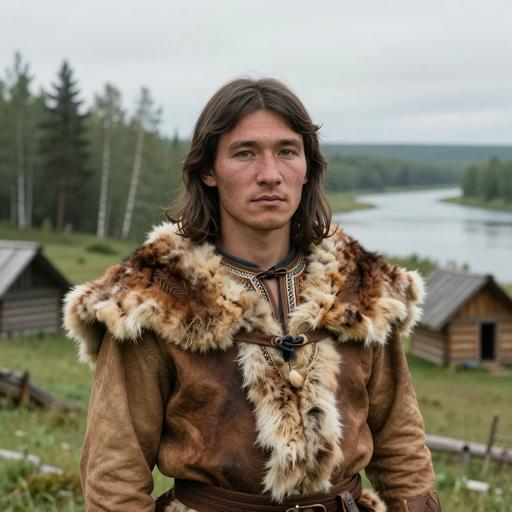
| Siberian individual, Russia | Northern Irkutsk | 4239 BCE | Sosnovy-Mys (Irkutsk Oblast, Ust-Ilimsky District, Kata, Sosnovy Island), Russia | View |
| Forest Neolithic individual, Russia | Northern West Siberian | 4037 BCE | Ust'-Isha (Altai Krai, Krasnogorsky District, Ust'-Isha Village), Russia | View |
Page 1
| Individual | Culture/Period | Date | Location | Action |
|---|---|---|---|---|
| Siberian individual, Russia | Northern Irkutsk | 4239 BCE | Sosnovy-Mys (Irkutsk Oblast, Ust-Ilimsky District, Kata, Sosnovy Island), Russia | View |
| Siberian individual, Russia | Northern Irkutsk | 4239 BCE | Sosnovy-Mys (Irkutsk Oblast, Ust-Ilimsky District, Kata, Sosnovy Island), Russia | View |
| Irkutsk N individual, Russia | 5711 BCE | Sosnovy-Mys (Irkutsk Oblast, Ust-Ilimsky District, Kata, Sosnovy Island), Russia | View |
Page 1