


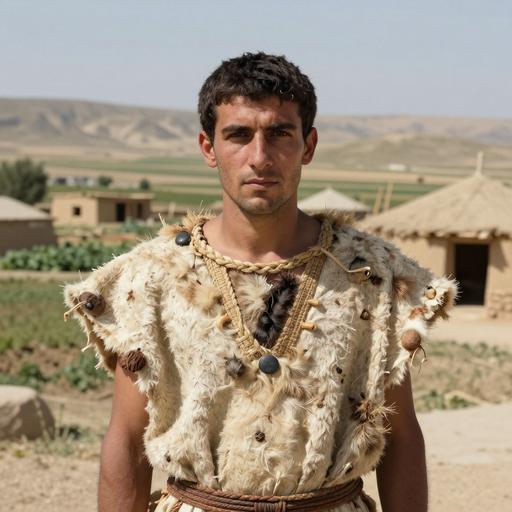
| Individual | Culture/Period | Date | Location | Action |
|---|---|---|---|---|
| Aegean Civilization individual, Greece | Late Neolithic 2 Greece | 4446 BCE | Kleitos, Greece | View |
| Aegean Civilization individual, Greece | Late Neolithic 2 Greece | 4449 BCE | Paliambela, Greece | View |
| Aegean Civilization individual, Greece | Neolithic Greece | 6434 BCE | Revenia, Greece | View |
| Anatolian Neolithic individual, Turkey | Neolithic Turkey | 6221 BCE | Northwest Anatolia. Marmara. Barcın, Turkey | View |
| Anatolian Neolithic individual, Turkey | Neolithic Turkey | 6417 BCE | Northwest Anatolia. Marmara. Barcın, Turkey | View |
| Anatolia N individual, Turkey | 6417 BCE | Northwest Anatolia. Marmara. Barcın, Turkey | View | |
| Iberia Ca individual, Turkey | 6221 BCE | Northwest Anatolia. Marmara. Barcın, Turkey | View | |
| Greece N individual, Greece | 4446 BCE | Kleitos, Greece | View | |
| Greece N individual, Greece | 4449 BCE | Paliambela, Greece | View | |
| Greece N individual, Greece | 6434 BCE | Revenia, Greece | View |
Page 1
| Individual | Culture/Period | Date | Location | Action |
|---|---|---|---|---|
| Anatolian Neolithic individual, Turkey | Neolithic Turkey | 6500 BCE | Northwest Anatolia. Marmara. Barcın, Turkey | View |
| Anatolian Neolithic individual, Turkey | Neolithic Turkey | 6500 BCE | Northwest Anatolia. Marmara. Barcın, Turkey | View |
| Anatolian Neolithic individual, Turkey | Neolithic Turkey | 6500 BCE | Northwest Anatolia. Marmara. Barcın, Turkey | View |
| N individual, Turkey | Neolithic Turkey | 6500 BCE | Northwest Anatolia. Marmara. Barcın, Turkey | View |
| N individual, Turkey | Neolithic Turkey | 6500 BCE | Northwest Anatolia. Marmara. Barcın, Turkey | View |
| N individual, Turkey | Neolithic Turkey | 6420 BCE | Northwest Anatolia. Marmara. Barcın, Turkey | View |
| N individual, Turkey | Neolithic Turkey | 6400 BCE | Northwest Anatolia. Marmara. Barcın, Turkey | View |
| N individual, Turkey | Neolithic Turkey | 6500 BCE | Northwest Anatolia. Marmara. Barcın, Turkey | View |
| Anatolian Neolithic individual, Turkey | Neolithic Turkey | 6419 BCE | Northwest Anatolia. Marmara. Barcın, Turkey | View |
| N individual, Turkey | Neolithic Turkey | 6224 BCE | Northwest Anatolia. Marmara. Barcın, Turkey | View |
| N individual, Turkey | Neolithic Turkey | 6387 BCE | Northwest Anatolia. Marmara. Barcın, Turkey | View |
| N individual, Turkey | Neolithic Turkey | 6070 BCE | Northwest Anatolia. Marmara. Barcın, Turkey | View |
| Anatolian Neolithic individual, Turkey | Neolithic Turkey | 6225 BCE | Northwest Anatolia. Marmara. Barcın, Turkey | View |
| Anatolian Neolithic individual, Turkey | Neolithic Turkey | 6223 BCE | Northwest Anatolia. Marmara. Barcın, Turkey | View |
| N individual, Turkey | Neolithic Turkey | 6400 BCE | Menteşe, Turkey | View |
| N individual, Turkey | Neolithic Turkey | 6500 BCE | Northwest Anatolia. Marmara. Barcın, Turkey | View |
| N individual, Turkey | Neolithic Turkey | 6400 BCE | Menteşe, Turkey | View |
| Anatolian Neolithic individual, Turkey | Neolithic Turkey | 6500 BCE | Barcın (Northwest Anatolia. Marmara), Turkey | View |
| N individual, Turkey | Neolithic Turkey | 6150 BCE | Ilıpınar (Marmara. Bursa. Orhangazi), Turkey | View |
| N individual, Turkey | Neolithic Turkey | 6150 BCE | Ilıpınar (Marmara. Bursa. Orhangazi), Turkey | View |
| Anatolian Neolithic individual, Turkey | Neolithic Turkey | 6424 BCE | Northwest Anatolia. Marmara. Barcın, Turkey | View |
| Anatolian Neolithic individual, Turkey | Neolithic Turkey | 6008 BCE | Menteşe, Turkey | View |
| Anatolian Neolithic individual, Turkey | Neolithic Turkey | 6400 BCE | Menteşe, Turkey | View |
| Anatolian Neolithic individual, Turkey | Neolithic Turkey | 6400 BCE | Menteşe, Turkey | View |
| Anatolian Neolithic individual, Turkey | Neolithic Turkey | 6381 BCE | Northwest Anatolia. Marmara. Barcın, Turkey | View |
| Anatolian Neolithic individual, Turkey | Neolithic Turkey | 6386 BCE | Northwest Anatolia. Marmara. Barcın, Turkey | View |
| Anatolian Neolithic individual, Turkey | Neolithic Turkey | 6217 BCE | Northwest Anatolia. Marmara. Barcın, Turkey | View |
| Anatolian Neolithic individual, Turkey | Neolithic Turkey | 6221 BCE | Northwest Anatolia. Marmara. Barcın, Turkey | View |
| Anatolian Neolithic individual, Turkey | Neolithic Turkey | 6228 BCE | Northwest Anatolia. Marmara. Barcın, Turkey | View |
| Anatolian Neolithic individual, Turkey | Neolithic Turkey | 6221 BCE | Northwest Anatolia. Marmara. Barcın, Turkey | View |
| Anatolian Neolithic individual, Turkey | Neolithic Turkey | 6417 BCE | Northwest Anatolia. Marmara. Barcın, Turkey | View |
| N individual, Turkey | 6524 BCE | Barcın-Höyük (Bursa, Yenişehir), Turkey | View |
Page 1