


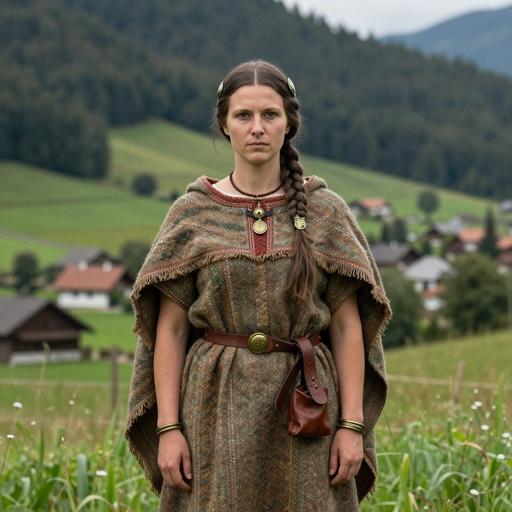
| Individual | Culture/Period | Date | Location | Action |
|---|---|---|---|---|
| EIA individual, Slovenia | Early Iron Age Slovenia | 808 BCE | Dolge njive (Smarjepke Toplice), Slovenia | View |
| EIA individual, Slovenia | Early Iron Age Slovenia | 794 BCE | Dolge njive (Smarjepke Toplice), Slovenia | View |
| EIA individual, Slovenia | Early Iron Age Slovenia | 780 BCE | Dolge njive (Smarjepke Toplice), Slovenia | View |
| Celtic individual, Slovenia | Early Iron Age Slovenia | 791 BCE | Dolge njive (Smarjepke Toplice), Slovenia | View |
| EIA individual, Slovenia | Early Iron Age Slovenia | 850 BCE | Dolge njive (Smarjepke Toplice), Slovenia | View |
| EIA individual, Slovenia | Early Iron Age Slovenia | 796 BCE | Dolge njive (Smarjepke Toplice), Slovenia | View |
| EIA individual, Slovenia | Early Iron Age Slovenia | 850 BCE | Dolge njive (Smarjepke Toplice), Slovenia | View |
| EIA individual, Slovenia | Early Iron Age Slovenia | 850 BCE | Dolge njive (Smarjepke Toplice), Slovenia | View |
| EIA individual, Slovenia | Early Iron Age Slovenia | 798 BCE | Dolge njive (Smarjepke Toplice), Slovenia | View |
Page 1
| Individual | Culture/Period | Date | Location | Action |
|---|---|---|---|---|
| EIA individual, Slovenia | Early Iron Age Slovenia | 729 BCE | Grofove njive, Slovenia | View |
| EIA individual, Slovenia | Early Iron Age Slovenia | 600 BCE | Zagorje ob Savi, Slovenia | View |
| EIA individual, Slovenia | Early Iron Age Slovenia | 600 BCE | Zagorje ob Savi, Slovenia | View |
| EIA individual, Slovenia | Early Iron Age Slovenia | 742 BCE | Zagorje ob Savi, Slovenia | View |
| EIA individual, Slovenia | Early Iron Age Slovenia | 750 BCE | Grofove njive, Slovenia | View |
| EIA individual, Slovenia | Early Iron Age Slovenia | 763 BCE | Grofove njive, Slovenia | View |
| EIA individual, Slovenia | Early Iron Age Slovenia | 787 BCE | Novo mesto. Kapiteljska njive, Slovenia | View |
| EIA individual, Slovenia | Early Iron Age Slovenia | 795 BCE | Ljubljana. Kongresni trg, Slovenia | View |
| EIA individual, Slovenia | Early Iron Age Slovenia | 796 BCE | Ljubljana. Kongresni trg, Slovenia | View |
| EIA individual, Slovenia | Early Iron Age Slovenia | 776 BCE | Zagorje ob Savi, Slovenia | View |
| EIA individual, Slovenia | Early Iron Age Slovenia | 808 BCE | Dolge njive (Smarjepke Toplice), Slovenia | View |
| EIA individual, Slovenia | Early Iron Age Slovenia | 794 BCE | Dolge njive (Smarjepke Toplice), Slovenia | View |
| EIA individual, Slovenia | Early Iron Age Slovenia | 780 BCE | Dolge njive (Smarjepke Toplice), Slovenia | View |
| Celtic individual, Slovenia | Early Iron Age Slovenia | 791 BCE | Dolge njive (Smarjepke Toplice), Slovenia | View |
| EIA individual, Slovenia | Early Iron Age Slovenia | 850 BCE | Dolge njive (Smarjepke Toplice), Slovenia | View |
| EIA individual, Slovenia | Early Iron Age Slovenia | 796 BCE | Dolge njive (Smarjepke Toplice), Slovenia | View |
| EIA individual, Slovenia | Early Iron Age Slovenia | 850 BCE | Dolge njive (Smarjepke Toplice), Slovenia | View |
| EIA individual, Slovenia | Early Iron Age Slovenia | 850 BCE | Dolge njive (Smarjepke Toplice), Slovenia | View |
| EIA individual, Slovenia | Early Iron Age Slovenia | 798 BCE | Dolge njive (Smarjepke Toplice), Slovenia | View |
Page 1