


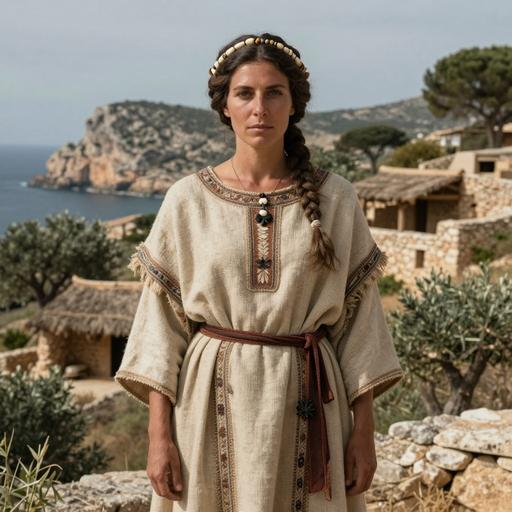
| Individual | Culture/Period | Date | Location | Action |
|---|---|---|---|---|
| Sardinia LBA individual, Italy | Late Bronze Age Sardinia, Italy | 1121 BCE | Sardinia. Alghero, Italy | View |
| Sicily LBA IA a Punic individual, Italy | Late Bronze Age Sicily, Italy | 1107 BCE | Sicily. Marcita, Italy | View |
| Sardinia LBA individual, Italy | Late Bronze Age Sardinia, Italy | 1221 BCE | Sardinia. Persasdefogu, Italy | View |
| Sardinia EBA individual, Italy | Early Bronze Age Sardinia, Italy | 2136 BCE | Sardinia. Seulo, Italy | View |
| Sicily MBA-3 individual, Italy | Middle Bronze Age Sicily, Italy | 1618 BCE | Sicily. Buffa, Italy | View |
| Sicily EBA individual, Italy | Early Bronze Age Sicily | 2272 BCE | Sicily. Buffa, Italy | View |
| Ancient Mediterranean Civilizations individual, Italy | Early Bronze Age Sicily | 2287 BCE | Sicily. Buffa, Italy | View |
| Sicily EBA individual, Italy | Early Bronze Age Sicily | 1949 BCE | Sicily. Buffa, Italy | View |
| Ancient Mediterranean Civilizations individual, Italy | Middle Bronze Age Sicily, Italy | 1612 BCE | Sicily. Buffa, Italy | View |
| Sicily MN individual, Italy | Middle Neolithic Sicily | 4984 BCE | Sicily. Fossato di Stretto Partana, Italy | View |
| Sicily MN individual, Italy | Middle Neolithic Sicily | 4988 BCE | Sicily. Fossato di Stretto Partana, Italy | View |
| Sicily MN individual, Italy | Middle Neolithic Sicily | 4987 BCE | Sicily. Fossato di Stretto Partana, Italy | View |
| EBA individual, Spain | Mallorcan EBA | 2468 BCE | Balearic Islands. Mallorca. Cova des Moro, Spain | View |
| Sardinia LBA individual, Italy | Late Bronze Age Sardinia, Italy | 1150 BCE | Sardinia. Alghero, Italy | View |
| Sardinia IA Nuragic-1 individual, Italy | Iron Age 1 Sardinia, Italy | 389 BCE | Sardinia. Usellus, Italy | View |
| Sicily EBA individual, Italy | Early Bronze Age Sicily | 2276 BCE | Sicily. Buffa, Italy | View |
| Sicily EBA-2 individual, Italy | Early Bronze Age Sicily | 2872 BCE | Sicily. Buffa, Italy | View |
| Western Mediterranean individual, Spain | Middle Bronze Age Formentera, Spain | 1879 BCE | Balearic Islands. Formentera. Cova 127, Spain | View |
| Sicily EBA individual, Italy | Early Bronze Age Sicily | 1880 BCE | Sicily. Contrada Paolina. Castellucciana, Italy | View |
| Sicily EBA individual, Italy | Early Bronze Age Sicily | 2127 BCE | Sicily. Contrada Paolina. Castellucciana, Italy | View |
| Sicily EBA individual, Italy | Early Bronze Age Sicily | 2195 BCE | Sicily. Contrada Paolina. Castellucciana, Italy | View |
| Sicily EBA-1 individual, Italy | Early Bronze Age Sicily | 2399 BCE | Sicily. Isnello, Italy | View |
| Sicily LBA individual, Italy | Late Bronze Age Sicily, Italy | 1400 BCE | Sicily. Marcita, Italy | View |
| Sicily LBA individual, Italy | Late Bronze Age Sicily, Italy | 1377 BCE | Sicily. Marcita, Italy | View |
| Sicily LBA individual, Italy | Late Bronze Age Sicily, Italy | 1400 BCE | Sicily. Marcita, Italy | View |
| Sicily MN individual, Italy | Middle Neolithic Sicily | 4841 BCE | Sicily. Fossato di Stretto Partana, Italy | View |
| Sardinia LBA individual, Italy | Late Bronze Age Sardinia, Italy | 1261 BCE | Sardinia. Perdasdefogu, Italy | View |
| Sardinia LBA individual, Italy | Late Bronze Age Sardinia, Italy | 1386 BCE | Sardinia. Perdasdefogu, Italy | View |
| Sardinia LBA individual, Italy | Late Bronze Age Sardinia, Italy | 1255 BCE | Sardinia. Perdasdefogu, Italy | View |
| Sicily LBA individual, Italy | Late Bronze Age Sicily, Italy | 1382 BCE | Sicily. Marcita, Italy | View |
| Sardinia Monte Claro individual, Italy | Chalcolithic Monte Claro Culture, Sardinia, Italy | 2454 BCE | Sardinia. Serra Cabriles, Italy | View |
| Sardinia Monte Claro individual, Italy | Chalcolithic Monte Claro Culture, Sardinia, Italy | 2464 BCE | Sardinia. Serra Cabriles, Italy | View |
| Sardinia Monte Claro individual, Italy | Chalcolithic Monte Claro Culture, Sardinia, Italy | 2191 BCE | Sardinia. Serra Cabriles, Italy | View |
| Sicily EBA individual, Italy | Early Bronze Age Sicily | 2017 BCE | Sicily. Contrada Paolina. Castellucciana, Italy | View |
| Sardinia N individual, Italy | Neolithic Sardinia, Italy | 3787 BCE | Sardinia. Sa Ucca de su Tintirriolu, Italy | View |
| Sardinia IA-2 individual, Italy | Iron Age 2 Sardinia, Italy | 757 BCE | Sardinia. Anghelu Ruju, Italy | View |
| Sardinia N individual, Italy | Neolithic Sardinia, Italy | 3346 BCE | Sardinia. Anghelu Ruju, Italy | View |
| Sardinia N individual, Italy | Neolithic Sardinia, Italy | 3949 BCE | Sardinia. Anghelu Ruju, Italy | View |
| Sardinia N individual, Italy | Neolithic Sardinia, Italy | 3941 BCE | Sardinia. Sa Ucca de su Tintirriolu, Italy | View |
| Sardinia N individual, Italy | Chalcolithic Sardinia, Italy | 2334 BCE | Sardinia. Anghelu Ruju, Italy | View |
| Sardinia individual, Italy | Chalcolithic Sardinia, Italy | 2571 BCE | Sardinia. Sa Ucca de su Tintirriolu, Italy | View |
| Sardinia N individual, Italy | Chalcolithic Sardinia, Italy | 2343 BCE | Sardinia. Anghelu Ruju, Italy | View |
| Mediterranean Neolithic individual, Italy | Neolithic Sardinia, Italy | 4200 BCE | Sardinia. Anghelu Ruju, Italy | View |
| Sardinia N individual, Italy | Chalcolithic Sardinia, Italy | 2459 BCE | Sardinia. Anghelu Ruju, Italy | View |
| Sardinia N individual, Italy | Neolithic Sardinia, Italy | 3967 BCE | Sardinia. Anghelu Ruju, Italy | View |
| Sardinia N individual, Italy | Neolithic Sardinia, Italy | 4158 BCE | Sardinia. Anghelu Ruju, Italy | View |
| Sardinia MBA individual, Italy | Middle Bronze Age Sardinia, Italy | 1800 BCE | Sardinia. Anghelu Ruju, Italy | View |
| Sicily EBA individual, Italy | Early Bronze Age Sicily | 2200 BCE | Sicily. Contrada Paolina. Castellucciana, Italy | View |
| Sardinia Anghelu Ruju MBA individual, Italy | Middle Bronze Age Sardinia, Italy | 1534 BCE | Sardinia. Anghelu Ruju, Italy | View |
| Ancient Mediterranean Civilizations individual, Italy | Early Bronze Age Sicily | 2600 BCE | Sicily. Vallone Inferno, Italy | View |
| Sardinia Tuscia Umbria Late Antiquity Imperial Roman individual, Italy | Late Antique Sardinia, Italy | 257 CE | Sardinia. Sant'Elia Cape. Grotta Colombi, Italy | View |
| Sardinia N individual, Italy | Neolithic Sardinia, Italy | 4200 BCE | Sardinia. Anghelu Ruju, Italy | View |
| Talayotic Culture individual, Spain | Late Bronze Age Menorca, Spain | 904 BCE | Balearic Islands. Menorca. Naveta des Tudons, Spain | View |
| Mediterranean Prehistoric Cultures individual, Italy | Chalcolithic Monte Claro Culture, Sardinia, Italy | 2200 BCE | Sardinia. Serra Cabriles, Italy | View |
| Nuragic Civilization individual, Italy | Middle Bronze Age Sardinia, Italy | 1491 BCE | Sardinia. Anghelu Ruju, Italy | View |
| Nuragic Civilization individual, Italy | Middle Bronze Age Sardinia, Italy | 1663 BCE | Sardinia. Seulo, Italy | View |
| Mediterranean Prehistoric Cultures individual, Italy | Chalcolithic Sardinia, Italy | 2397 BCE | Sardinia. Anghelu Ruju, Italy | View |
| Byzantine Empire individual, Italy | Late Antique Sardinia, Italy | 607 CE | Sardinia. Sant'Elia Cape. Grotta Colombi, Italy | View |
| Mediterranean Neolithic individual, Italy | Neolithic Sardinia, Italy | 3936 BCE | Sardinia. Anghelu Ruju, Italy | View |
| Byzantine Empire individual, Italy | Early Medieval Sardinia, Italy | 892 CE | Sardinia. Sant'Elia Cape. Grotta Colombi, Italy | View |
| Nuragic Civilization individual, Italy | Late Bronze Age Sardinia, Italy | 1369 BCE | Sardinia. Anulù Seui, Italy | View |
| European Bronze Age individual, Italy | Bell Beaker Culture Sicily, Italy | 2500 BCE | Sicily. Salaputra. Partanna. Pergole 2, Italy | View |
| Sardinia Neolithic individual, Italy | 4200 BCE | Sardinia. Anghelu Ruju, Italy | View | |
| Menorca Lba individual, Spain | 904 BCE | Balearic Islands. Menorca. Naveta des Tudons, Spain | View | |
| Sardinia Nuragic individual, Italy | 1663 BCE | Sardinia. Seulo, Italy | View | |
| Formentera Mba individual, Spain | 1879 BCE | Balearic Islands. Formentera. Cova 127, Spain | View | |
| Bell Beaker individual, Italy | 2500 BCE | Sicily. Salaputra. Partanna. Pergole 2, Italy | View | |
| Sardinia Ch individual, Italy | 2200 BCE | Sardinia. Serra Cabriles, Italy | View | |
| Sardinia Nuragic individual, Italy | 1491 BCE | Sardinia. Anghelu Ruju, Italy | View | |
| Sardinia Neolithic individual, Italy | 3936 BCE | Sardinia. Anghelu Ruju, Italy | View | |
| Sardinia Ch individual, Italy | 2397 BCE | Sardinia. Anghelu Ruju, Italy | View | |
| Sardinia Ema individual, Italy | 892 CE | Sardinia. Sant'Elia Cape. Grotta Colombi, Italy | View | |
| Sardinia La individual, Italy | 607 CE | Sardinia. Sant'Elia Cape. Grotta Colombi, Italy | View | |
| Sardinia Nuragic individual, Italy | 1369 BCE | Sardinia. Anulù Seui, Italy | View |
Page 1
| Individual | Culture/Period | Date | Location | Action |
|---|---|---|---|---|
| EBA individual, Spain | Mallorcan EBA | 2468 BCE | Balearic Islands. Mallorca. Cova des Moro, Spain | View |
Page 1