


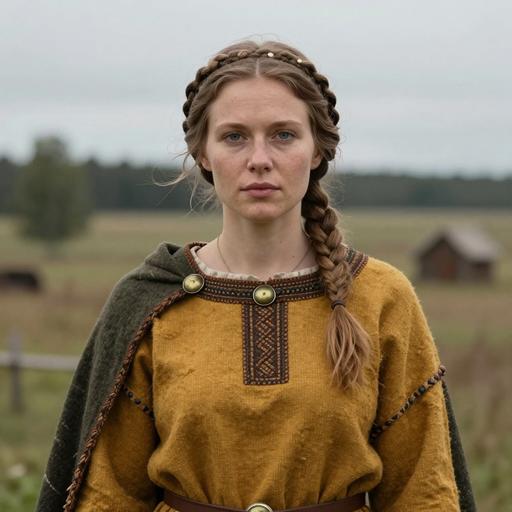
| Individual | Culture/Period | Date | Location | Action |
|---|---|---|---|---|
| Arctic Cultures individual, Russia | Bolshoy Oleni Ostrov Site, Russia | 2024 BCE | Murmansk. Bolshoy Oleniy Ostrov, Russia | View |
| Murmansk MBA individual, Russia | Bolshoy Oleni Ostrov Site, Russia | 2050 BCE | Murmansk. Bolshoy Oleniy Ostrov, Russia | View |
| Arctic Cultures individual, Russia | Bolshoy Oleni Ostrov Site, Russia | 2050 BCE | Murmansk. Bolshoy Oleniy Ostrov, Russia | View |
| Arctic Cultures individual, Russia | Bolshoy Oleni Ostrov Site, Russia | 2050 BCE | Murmansk. Bolshoy Oleniy Ostrov, Russia | View |
| Arctic Cultures individual, Russia | Bolshoy Oleni Ostrov Site, Russia | 2050 BCE | Murmansk. Bolshoy Oleniy Ostrov, Russia | View |
| Arctic Cultures individual, Russia | Bolshoy Oleni Ostrov Site, Russia | 2050 BCE | Murmansk. Bolshoy Oleniy Ostrov, Russia | View |
| Nordic Bronze Age individual, Finland | Levanluhta Site, Finland | 300 CE | Isokyro. Levanluhta, Finland | View |
| Nordic Bronze Age individual, Finland | Levanluhta Site, Finland | 300 CE | Isokyro. Levanluhta, Finland | View |
| Nordic Bronze Age individual, Finland | Levanluhta B | 300 CE | Isokyro. Levanluhta, Finland | View |
| Nordic Bronze Age individual, Finland | Levanluhta Site, Finland | 300 CE | Isokyro. Levanluhta, Finland | View |
| Nordic Bronze Age individual, Finland | Levanluhta Site, Finland | 300 CE | Isokyro. Levanluhta, Finland | View |
| Nordic Bronze Age individual, Finland | Levanluhta B | 300 CE | Isokyro. Levanluhta, Finland | View |
| Nordic Bronze Age individual, Finland | Levanluhta B | 300 CE | Isokyro. Levanluhta, Finland | View |
| Finland Mia individual, Finland | 300 CE | Isokyro. Levanluhta, Finland | View | |
| Finland Mia individual, Finland | 300 CE | Isokyro. Levanluhta, Finland | View | |
| Finland Mia individual, Finland | 300 CE | Isokyro. Levanluhta, Finland | View | |
| Finland Mia individual, Finland | 300 CE | Isokyro. Levanluhta, Finland | View | |
| Finland Eia individual, Finland | 300 CE | Isokyro. Levanluhta, Finland | View | |
| Finland Mia individual, Finland | 300 CE | Isokyro. Levanluhta, Finland | View | |
| Finland Mia individual, Finland | 300 CE | Isokyro. Levanluhta, Finland | View |
Page 1
| Individual | Culture/Period | Date | Location | Action |
|---|---|---|---|---|
| Nordic Bronze Age individual, Finland | Levanluhta B | 300 CE | Isokyro. Levanluhta, Finland | View |
| Nordic Bronze Age individual, Finland | Levanluhta B | 300 CE | Isokyro. Levanluhta, Finland | View |
| Nordic Bronze Age individual, Finland | Levanluhta B | 300 CE | Isokyro. Levanluhta, Finland | View |
Page 1