


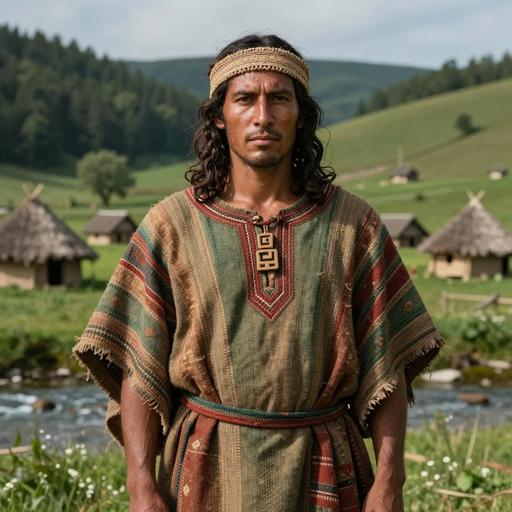
| Individual | Culture/Period | Date | Location | Action |
|---|---|---|---|---|
| EN Starcevo Cris individual, Romania | Starčevo-Criș Culture of Negrileşti | 5612 BCE | Negrilești (Galati, Negrilești), Romania | View |
| EN Starcevo Cris individual, Romania | Starčevo-Criș Culture of Grădinile | 5801 BCE | Grădinile, Romania | View |
| Eneolithic LN Gumelnita individual, Romania | Gumelnița Culture | 4045 BCE | Gumelnița (Călărași, Oltenita), Romania | View |
| EN individual, Romania | Sălcuța Culture | 5548 BCE | Gârlești (Dolj County, Craiova), Romania | View |
| EN individual, Romania | Sălcuța Culture | 5624 BCE | Gârlești (Dolj County, Craiova), Romania | View |
| Danubian individual, Romania | Sălcuța Culture | 5557 BCE | Gârlești (Dolj County, Craiova), Romania | View |
| N Boian individual, Romania | Boian Culture | 4931 BCE | Curătești, Romania | View |
| N Boian individual, Romania | Boian Culture | 4984 BCE | Curătești, Romania | View |
| N Boian individual, Romania | Boian Culture | 4984 BCE | Curătești, Romania | View |
| N Boian individual, Romania | Boian Culture | 4938 BCE | Curătești, Romania | View |
| Eneolithic LN Boian individual, Romania | Boian Culture | 4715 BCE | Căscioarele, Romania | View |
| Eneolithic LN Boian individual, Romania | Boian Culture | 4721 BCE | Căscioarele, Romania | View |
| Eneolithic LN Boian individual, Romania | Boian Culture | 5204 BCE | Sultana Valea (Călărași, Manasteria), Romania | View |
| N ELBK individual, Poland | Early Linear Pottery Culture of Ludwinowo | 4350 BCE | Ludwinowo-6 (Kuyavian-Pomeranian Province, Włocławek), Poland | View |
| N ELBK individual, Poland | Eastern Linear Pottery Culture of Kruszyn | 4350 BCE | Kruszyn-13 (Kuyavian-Pomeranian Province, Włocławek), Poland | View |
| N ELBK individual, Poland | Eastern Linear Pottery Culture of Kruszyn | 4350 BCE | Kruszyn-13 (Kuyavian-Pomeranian Province, Włocławek), Poland | View |
| N LLBK LLengyel individual, Poland | Late Lengyel Culture from Krusza Zamkowa | 4330 BCE | Krusza Zamkowa-3 (Kuyavian-Pomeranian Province, Inowrocław), Poland | View |
| N LLBK LLengyel individual, Poland | Late Lengyel Culture from Krusza Zamkowa | 4333 BCE | Krusza Zamkowa-3 (Kuyavian-Pomeranian Province, Inowrocław), Poland | View |
| N LLBK LLengyel individual, Poland | Late Lengyel Culture from Krusza Zamkowa | 4333 BCE | Krusza Zamkowa-3 (Kuyavian-Pomeranian Province, Inowrocław), Poland | View |
| Eneolithic individual, Poland | Lublin-Volhynian Culture | 4152 BCE | Książnice (Świętokrzyskie Province, Busko County, Pacanów), Poland | View |
| N LLBK LLengyel individual, Poland | Late Neolithic Lengyel Culture of Racot | 4311 BCE | Racot (Greater Poland Province, Kościan), Poland | View |
| N LLBK LLengyel individual, Poland | Late Lengyel Culture from Siniarzewo | 4531 BCE | Siniarzewo-1 (Kuyavian-Pomeranian Province, Aleksandrów County, Zakrzewo), Poland | View |
| Eneolithic individual, Poland | Lublin-Volhynian Culture | 3956 BCE | Książnice (Świętokrzyskie Province, Busko County, Pacanów), Poland | View |
| Eneolithic individual, Poland | Lublin-Volhynian Culture | 3954 BCE | Książnice (Świętokrzyskie Province, Busko County, Pacanów), Poland | View |
| Early European individual, Poland | Komornica Culture | 5621 BCE | Łojewo (Kuyavian-Pomeranian Province, Inowrocław), Poland | View |
| Eneolithic individual, Poland | Lublin-Volhynian Culture | 3951 BCE | Bronocice (Świętokrzyskie Province, Pińczów County, Działoszyce), Poland | View |
| Mesolithic individual, Poland | Kamienskie Culture Mesolithic | 6814 BCE | Kamienskie (Warmian-Masurian Province, Pisz County, Orzysz), Poland | View |
| Danubian individual, Romania | Iclod Culture | 4836 BCE | Iclod (Cluj, Iclod), Romania | View |
| village Iclod Eneolithic LN individual, Romania | Iclod Culture | 4711 BCE | village Iclod, Cluj county, Romania | View |
| village Decea Muresului Eneolithic LN Decea Muresului individual, Romania | Decea Mureșului Culture | 4343 BCE | village Decea Mureșului, Alba county, Romania | View |
| Baciu Gura Baciului EN Starcevo Cris individual, Romania | Starčevo-Criș Culture | 5623 BCE | village Baciu, Cluj county, Romania | View |
| European Hunter-Gatherers individual, Romania | Mesolithic Iron Gates, Romania | 7584 BCE | Ostrovul-Corbului (Mehedinți County, Hinova), Romania | View |
| European Hunter-Gatherers individual, Romania | Mesolithic Iron Gates, Romania | 6641 BCE | Ostrovul-Corbului (Mehedinți County, Hinova), Romania | View |
| Proto-Indo-European individual, Ukraine | Neolithic Ukraine | 5471 BCE | Deriivka (Kirovohrad Oblast, Oleksandriia District), Ukraine | View |
| N individual, Ukraine | Neolithic Nikolske Culture | 4681 BCE | Nikol’ske, Ukraine | View |
| N individual, Ukraine | Neolithic Nikolske Culture | 4442 BCE | Nikol’ske, Ukraine | View |
| N individual, Ukraine | Neolithic Ukraine | 5356 BCE | Vasylivka (Zaporizhia Oblast, Vasylivka District, Vasylivska municipality), Ukraine | View |
| Eastern European Hunter-Gatherers individual, Ukraine | Mesolithic Ukraine | 6471 BCE | Deriivka (Kirovohrad Oblast, Oleksandriia District), Ukraine | View |
| Proto-Indo-European individual, Ukraine | Serednii Stih culture | 3701 BCE | Deriivka (Kirovohrad Oblast, Oleksandriia District), Ukraine | View |
| Eastern European Hunter-Gatherers individual, Ukraine | Mesolithic Ukraine | 6066 BCE | Deriivka (Kirovohrad Oblast, Oleksandriia District), Ukraine | View |
| N individual, Ukraine | Neolithic Ukraine | 4834 BCE | Deriivka (Kirovohrad Oblast, Oleksandriia District), Ukraine | View |
| Eneolithic Serednii Stih individual, Ukraine | Serednii Stih culture | 4446 BCE | Deriivka (Kirovohrad Oblast, Oleksandriia District), Ukraine | View |
| Proto-Indo-European individual, Ukraine | Neolithic Ukraine | 4836 BCE | Deriivka (Kirovohrad Oblast, Oleksandriia District), Ukraine | View |
| Eneolithic Serednii Stih individual, Ukraine | Serednii Stih culture | 4446 BCE | Deriivka (Kirovohrad Oblast, Oleksandriia District), Ukraine | View |
| Proto-Indo-European individual, Ukraine | Neolithic Ukraine | 5304 BCE | Deriivka (Kirovohrad Oblast, Oleksandriia District), Ukraine | View |
| Eneolithic Serednii Stih individual, Ukraine | Serednii Stih culture | 4342 BCE | Deriivka (Kirovohrad Oblast, Oleksandriia District), Ukraine | View |
| Epipaleolithic Mesolithic individual, Ukraine | Ukrainian Epipaleolithic-Mesolithic Culture | 8708 BCE | Deriivka (Kirovohrad Oblast, Oleksandriia District), Ukraine | View |
| Pre-Indo-European individual, Ukraine | Neolithic Nikolske Culture | 5209 BCE | Nikol’ske, Ukraine | View |
| Pre-Indo-European individual, Ukraine | Neolithic Nikolske Culture | 4784 BCE | Nikol’ske, Ukraine | View |
| N individual, Ukraine | Neolithic Nikolske Culture | 4602 BCE | Nikol’ske, Ukraine | View |
| N individual, Ukraine | Neolithic Yasinovatka Culture | 5314 BCE | Yasynuvatka (Zaporizhia Oblast, Zaporizhia District, Petro-Mykhailivka municipality), Ukraine | View |
| N individual, Ukraine | Neolithic Yasinovatka Culture | 5210 BCE | Yasynuvatka (Zaporizhia Oblast, Zaporizhia District, Petro-Mykhailivka municipality), Ukraine | View |
| N individual, Ukraine | Yasinovatka Culture | 5357 BCE | Yasynuvatka (Zaporizhia Oblast, Zaporizhia District, Petro-Mykhailivka municipality), Ukraine | View |
| Eastern European individual, Ukraine | Neolithic Yasinovatka Culture | 5209 BCE | Yasynuvatka (Zaporizhia Oblast, Zaporizhia District, Petro-Mykhailivka municipality), Ukraine | View |
| Eastern European individual, Ukraine | Yasinovatka Culture | 4784 BCE | Yasynuvatka (Zaporizhia Oblast, Zaporizhia District, Petro-Mykhailivka municipality), Ukraine | View |
Page 1
| Individual | Culture/Period | Date | Location | Action |
|---|---|---|---|---|
| Danubian individual, Romania | Iclod Culture | 4836 BCE | Iclod (Cluj, Iclod), Romania | View |
Page 1