


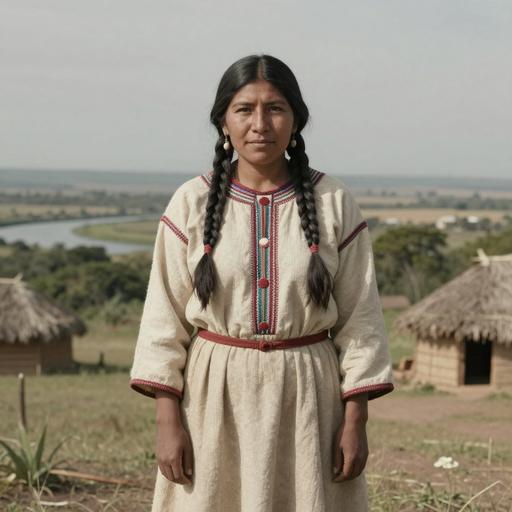
I8575
Southern Continent Aonikenk Culture, Chile 400 Years Ago
141 CE
Southern Continent. Magallanes. Cerro Johnny, Chile
I8576
North Tierra del Fuego Selknam Culture, Chile 100 Years Ago
1800 CE
North of Tierra del Fuego. Faro Méndez, Chile
I12364
North Tierra del Fuego Selknam Culture 500 Years Ago
1040 CE
Tierra del Fuego (North). Margen Sur, Argentina
I12366
North Tierra del Fuego Selknam Culture 500 Years Ago
1670 CE
Tierra del Fuego (North). Pozo Tierra del Fuego 1, Argentina
I12357
Mitre Peninsula Haush Culture 400 Years Ago
1470 CE
Tierra del Fuego. Mitre Peninusula. Caleta Falsa, Argentina
I12365
North Tierra del Fuego Selknam Culture 500 Years Ago
1150 CE
Tierra del Fuego (North). Margen Sur, Argentina
I12359
Mitre Peninsula Haush Culture 400 Years Ago
1280 CE
Tierra del Fuego. Mitre Peninusula. Caleta Falsa, Argentina
I12361
Mitre Peninsula Haush Culture 400 Years Ago
1450 CE
Tierra del Fuego. Mitre Peninusula. Río Policarpo, Argentina
I12355
Beagle Channel Yamana Culture 1500 Years Ago
260 CE
Beagle Channel. Tierra del Fuego. Río Pipo, Argentina
I12376
Laguna Toro Site 2400 Years Ago
740 BCE
Southwest of Buenos Aires. Laguna Toro, Argentina
I12360
Mitre Peninsula Haush Culture 400 Years Ago
1460 CE
Tierra del Fuego. Mitre Peninusula. Caleta Falsa, Argentina
I12363
North Tierra del Fuego Selknam Culture 500 Years Ago
1490 CE
Tierra del Fuego (North). Puesto Pescador, Argentina
| Sample ID | Culture/Period | Date | Location | Action |
|---|---|---|---|---|
| I8575 | Southern Continent Aonikenk Culture, Chile 400 Years Ago | 141 CE | Southern Continent. Magallanes. Cerro Johnny, Chile | View |
| I8576 | North Tierra del Fuego Selknam Culture, Chile 100 Years Ago | 1800 CE | North of Tierra del Fuego. Faro Méndez, Chile | View |
| I12364 | North Tierra del Fuego Selknam Culture 500 Years Ago | 1040 CE | Tierra del Fuego (North). Margen Sur, Argentina | View |
| I12366 | North Tierra del Fuego Selknam Culture 500 Years Ago | 1670 CE | Tierra del Fuego (North). Pozo Tierra del Fuego 1, Argentina | View |
| I12357 | Mitre Peninsula Haush Culture 400 Years Ago | 1470 CE | Tierra del Fuego. Mitre Peninusula. Caleta Falsa, Argentina | View |
| I12365 | North Tierra del Fuego Selknam Culture 500 Years Ago | 1150 CE | Tierra del Fuego (North). Margen Sur, Argentina | View |
| I12359 | Mitre Peninsula Haush Culture 400 Years Ago | 1280 CE | Tierra del Fuego. Mitre Peninusula. Caleta Falsa, Argentina | View |
| I12361 | Mitre Peninsula Haush Culture 400 Years Ago | 1450 CE | Tierra del Fuego. Mitre Peninusula. Río Policarpo, Argentina | View |
| I12355 | Beagle Channel Yamana Culture 1500 Years Ago | 260 CE | Beagle Channel. Tierra del Fuego. Río Pipo, Argentina | View |
| I12376 | Laguna Toro Site 2400 Years Ago | 740 BCE | Southwest of Buenos Aires. Laguna Toro, Argentina | View |
| I12360 | Mitre Peninsula Haush Culture 400 Years Ago | 1460 CE | Tierra del Fuego. Mitre Peninusula. Caleta Falsa, Argentina | View |
| I12363 | North Tierra del Fuego Selknam Culture 500 Years Ago | 1490 CE | Tierra del Fuego (North). Puesto Pescador, Argentina | View |
| I12367 | North Tierra del Fuego Selknam Culture 500 Years Ago | 1200 CE | Tierra del Fuego (North). Margen Sur, Argentina | View |
| I12941 | Beagle Channel Yamana Culture 100 Years Ago | 1560 CE | Beagle Channel. Tierra del Fuego. Almanza, Argentina | View |
| I12943 | Beagle Channel Yamana Culture 100 Years Ago | 1550 CE | Beagle Channel. Tierra del Fuego. Almanza, Argentina | View |
| I12942 | Beagle Channel Yamana Culture 100 Years Ago | 1810 CE | Beagle Channel. Tierra del Fuego. Acatushún, Argentina | View |
| I12356 | Mitre Peninsula Haush Culture 400 Years Ago | 1450 CE | Tierra del Fuego. Mitre Peninusula. Caleta Falsa, Argentina | View |
| I12362 | North Tierra del Fuego La Arcillosa 2 Site 5800 Years Ago | 4040 BCE | Tierra del Fuego (North). La Arcillosa 2, Argentina | View |
| I12354 | North Tierra del Fuego Selknam Culture 500 Years Ago | 1420 CE | Tierra del Fuego (North). Río Grande, Argentina | View |
| I12358 | Mitre Peninsula Haush Culture 400 Years Ago | 1330 CE | Tierra del Fuego. Mitre Peninusula. Caleta Falsa, Argentina | View |
| Sample ID | Culture/Period | Date | Location | Action |
|---|---|---|---|---|
| I12376 | Laguna Toro Site 2400 Years Ago | 740 BCE | Southwest of Buenos Aires. Laguna Toro, Argentina | View |