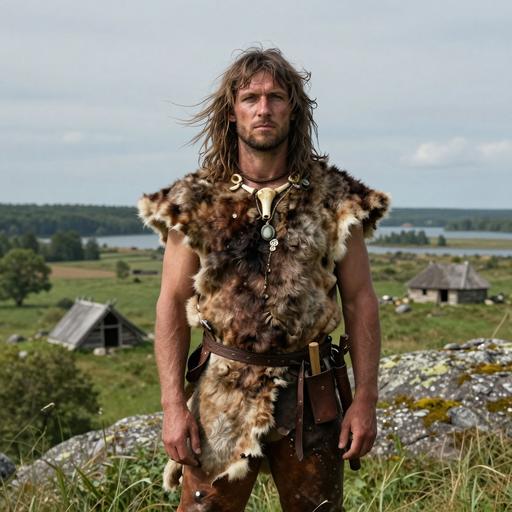
The Pitted Ware Culture (circa 3200–2300 BCE) and the subsequent Nordic Bronze Age (circa 1700–500 BCE) represent significant periods in Sweden's prehistoric timeline, characterized by distinct cultural advancements and transformations.
The Pitted Ware Culture
Geographic Context and Environment:
The Pitted Ware Culture emerged in coastal regions of Sweden, including areas surrounding the Baltic Sea, the Swedish mainland, and the islands of Gotland and Öland. This period was shaped by a postglacial environment rich in resources, where sea levels had an extensive influence on human settlement and lifestyle.
Society and Economy:
The Pitted Ware Culture is primarily recognized for its maritime orientation. Communities heavily depended on marine resources, engaging in fishing, hunting marine mammals like seals, and gathering shellfish. This reliance on the sea is reflected in their settlement patterns, often situated near coastlines or waterways.
Material Culture:
Pottery is the most distinctive artifact of this culture, known for its decorative pitted or dotted designs, which gave the culture its name. These ceramics were used for storage and possibly for ritual purposes. Other artifacts include bone and stone tools, emphasizing their expertise in crafting with available resources.
Burial Practices and Religion:
Burials during this period often featured flexed (bent-knee) positions, with grave goods and red ochre pigmentation. Such practices indicate a spiritual or ritualistic aspect to their culture, although the specifics of their belief systems remain largely speculative.
Transition to the Nordic Bronze Age
The transition from the Pitted Ware Culture to the Nordic Bronze Age marks a significant shift in cultural practices and societal structure.
Bronze Introduction and Metallurgy:
With the dawn of the Nordic Bronze Age, there was an introduction and increased use of bronze, primarily through trade with Central Europe. Sweden lacked natural copper and tin deposits necessary for bronze production, highlighting the importance of trade networks.
Social Stratification and Settlements:
Society during the Nordic Bronze Age became more complex and stratified. The presence of larger settlements and the construction of monumental structures, such as barrows and stone ship settings, suggest increased social organization and hierarchy. The elite class likely played a key role in controlling trade and ritual activities.
Art and Iconography:
The art of the Nordic Bronze Age is characterized by intricate rock carvings (petroglyphs), depicting scenes of boats, animals, and religious symbols. Such carvings are widespread in Sweden, conveying stories of daily life, cosmology, and mythological beliefs.
Trade and Economy:
The economy expanded beyond maritime activities to include agriculture with crops like barley and wheat, animal husbandry with sheep and cattle, and continued hunting and fishing. This diversification reflects a complex economy that supported a growing population.
Religious Practices:
Religion during the Nordic Bronze Age exhibited a move towards more organized and complex practices. Ritual bronze objects, such as swords and razors, were often deposited in bogs or bodies of water, indicating sacred landscapes and a belief system that involved offerings and possibly ancestor or fertility worship.
Legacy
Both the Pitted Ware Culture and the Nordic Bronze Age laid foundational cultural and social structures that would impact the later Germanic tribes of Scandinavia. The transition from a hunter-gatherer to a more settled and hierarchical society during the Nordic Bronze Age set the stage for the developments in technology, trade, religion, and societal complexity that followed in the Iron Age and beyond.
In summary, these periods illustrate the dynamic changes in prehistoric Sweden, from the resourceful and maritime-focused Pitted Ware communities to the complex, stratified society of the Nordic Bronze Age, rich in art and engaged in widespread trade.