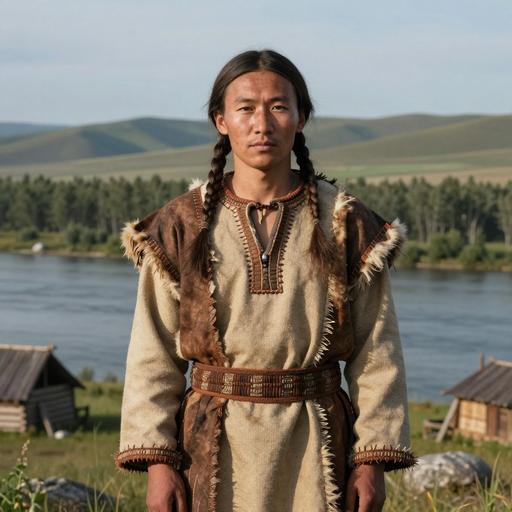
The Early Bronze Age (EBA) in the Yenisei region of Siberia, often referred to as the Tenisei culture, marks a fascinating era in prehistoric Siberian history. The Tenisei culture is characterized by its unique adaptation to the harsh Siberian environment and its role as a bridge between East and West during the Bronze Age.
Geographic and Environmental Context
The Yenisei River, one of the largest river systems in Siberia, plays a central role in the geography of the Tenisei culture. This region is characterized by a diverse landscape that includes taiga forests, river valleys, and expansive steppes. The harsh climate, with long, cold winters and short summers, significantly influenced the lifestyle and survival strategies of the Tenisei people.
Chronology and Origins
The Early Bronze Age in the Yenisei region dates back to approximately 2500-1800 BCE. The origins of the Tenisei culture appear to be linked to earlier Neolithic groups who inhabited the region and who gradually transitioned into more complex social structures as they developed new technologies and cultural practices.
Material Culture
Pottery and Artifacts
The pottery of the Tenisei culture is distinguished by its utilitarian design, often adorned with simple geometric patterns that may have had symbolic meanings. These ceramics are typically found in both domestic settings and burial sites, indicating their importance in daily life as well as in ritual contexts.
Stone tools remained prevalent, although the emergence of bronze metallurgy marked a significant technological shift. Bronze items, including tools, weapons, and ornaments, display a blend of local innovation and influences from neighboring cultures.
Metallurgy
Bronze metallurgy was likely influenced by interactions with more advanced metallurgical societies to the west and south. The crafting of bronze tools and ornaments reflects both utilitarian purposes and social status. Smithing techniques evolved over time, showcasing increasing sophistication in metalworking skills.
Social and Economic Structure
The Tenisei society appears to have been organized into small, kin-based communities, typically led by local chieftains or elders. The economy was mixed, with a reliance on hunting, fishing, and gathering supplemented by pastoralism and, to a lesser extent, agriculture.
The exchange networks were likely extensive, connecting the Tenisei people with other Bronze Age cultures across Eurasia. Evidence suggests that these interactions facilitated the flow of goods, technologies, and ideas, which played a crucial role in the development of the Tenisei culture.
Burial Practices and Religion
Burial practices in the Tenisei culture provide significant insights into their spiritual beliefs and social organization. Graves often contain a variety of grave goods, including pottery, weapons, and personal ornaments, suggesting a belief in an afterlife where such items would be necessary.
Some burial sites reveal more elaborate tombs, potentially indicating a hierarchical society with emerging social stratification. Religious practices likely involved shamanistic rituals, reflecting a deep connection to nature and the spiritual world.
Environmental Adaptations
Adaptations to the harsh Siberian climate are evident in the Tenisei culture's architecture and subsistence strategies. Dwelling structures were designed to provide insulation against extreme cold, and clothing was crafted from animal skins and furs for warmth.
Dietary practices were diverse, relying heavily on resources that could be found locally, including fish from the Yenisei River, game animals from the surrounding forests, and domesticated animals introduced through pastoralism.
Conclusion
The Early Bronze Age Tenisei culture of the Yenisei region in Siberia represents a unique cultural entity that managed to thrive in a challenging environment. Its material culture, social structure, and interactions with neighboring cultures underscore the adaptability and resilience of the Tenisei people. As a conduit for cultural exchange across Eurasia, the Tenisei culture played a vital role in the broader narrative of Bronze Age development.