Menu
Currency
Main
Store
Blog

Loading Report

Preparing your ancestry journey

Connecting to ancient matches...

Preparing your report

Skip to main content
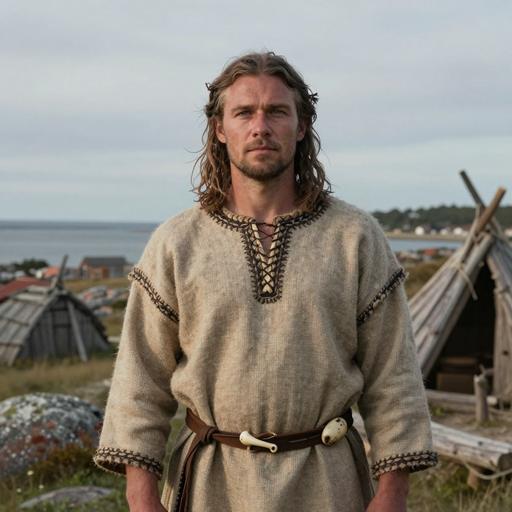
Portrait reconstruction of A man buried in Sweden in the Bronze Age era
Ancient Individual

A man buried in Sweden in the Bronze Age era

A man buried in Sweden during the Pitted Ware and Battle Axe Culture Hemmor, Gotland, Sweden

A fragment of the ancient world, preserved across millennia in strands of DNA.

hem001
3090 BCE - 2901 BCE
Male
Sweden
Scroll to begin
Chapter I

Identity

The biological and cultural markers that define this ancient individual

Sample ID

hem001

Date Range

3090 BCE - 2901 BCE

Cultural Period

Pitted Ware and Battle Axe Culture Hemmor, Gotland, Sweden

Biological Sex

Male

mtDNA Haplogroup

K1a3a

Y-DNA Haplogroup

Not available

Chapter II

Place

Where this individual was discovered

Country Sweden
Locality Gotland. Hemmor
Coordinates 57.2200, 18.5700
Chapter III

Time

When this individual lived in the broader context of human history

hem001 3090 BCE - 2901 BCE
Chapter IV

Story

The narrative of this ancient life

The Pitted Ware and Battle Axe cultures represent two distinct archaeological cultures in Scandinavia during the Neolithic period, particularly around the Swedish island of Gotland. While they coexisted in time, they possessed unique characteristics and subsistence strategies. Let's explore each culture and specifically focus on their presence and interaction on Gotland, particularly around the Hemmor site.

Pitted Ware Culture (ca. 3200–2300 BCE)

Overview

The Pitted Ware culture is a branch of the broader Funnelbeaker culture, widely spread in the Scandinavian Peninsula, particularly eastern Sweden, including Gotland. It gets its name from the distinctive pottery decorated with small pits pressed into the surface.

Subsistence and Lifestyle

  • Economy: The Pitted Ware people were primarily hunter-gatherers, although evidence suggests they engaged in limited farming. Their economy heavily relied on marine and terrestrial animals.
  • Fishing and Hunting: Given Gotland's rich marine environment, the Pitted Ware culture subsisted on fishing and seal hunting. Archaeological findings highlight the significance of seal bones and fish remains.
  • Settlements and Architecture: Their settlements were often coastal, which facilitated access to marine resources. Structures were typically temporary, reflecting their semi-nomadic lifestyle.
  • Pottery and Tools: Characteristic \pitted" pottery was used, often large vessels, possibly for storage. Their stone tool repertoire included axes, flake tools, and points crafted from local flint.

Social and Ritual Aspects

  • Burial Practices: Burials from this period occasionally involve megalithic tombs or stone settings, emphasizing a connection with the broader megalithic traditions of Europe.
  • Ritualistic Artifacts: Certain artifacts suggest ritualistic or symbolic significance, such as intricate carvings or specific configurations of grave goods.

Battle Axe Culture (ca. 2800–2300 BCE)

Overview

The Battle Axe culture, also known as the Corded Ware culture, made its way into Scandinavia as part of the broader Indo-European migrations. It is known for its distinctive cord-impressed pottery and stone battle axes.

Subsistence and Lifestyle

  • Economy: The Battle Axe culture marked a shift towards pastoralism and agriculture. They kept cattle, sheep, and goats, and cultivated crops.
  • Tools and Weapons: They are noted for their polished stone battle axes, indicative of both their martial society and symbolic power. The axes were more ceremonial than utilitarian.
  • Pottery and Artifacts: Their pottery was smaller, finely made, and marked with cord impressions, unlike the large pitted pottery of their contemporaries.

Social and Cultural Dynamics

  • Burial Rites: The Battle Axe culture is associated with single graves, often with the deceased placed in a crouched position and accompanied by weaponry and personal adornments, suggesting a hierarchical society.
  • Cultural Identity: This culture is often linked with the spread of Indo-European languages, contributing to significant shifts in the social and cultural fabric of Neolithic Europe.

Interaction on Gotland, Hemmor Site

Gotland, located strategically in the Baltic Sea, was a crossroads for trade and cultural exchange. The Hemmor site provides valuable insights into the interaction between these two cultures.

  • Cultural Exchange: Evidence suggests that while distinct, these cultures interacted and exchanged goods and ideas. This is evident in shared tool types and trade relations.
  • Archaeological Finds: At Hemmor, artifacts display a blend of Pitted Ware and Battle Axe culture influences, such as mixed pottery styles and overlap in tool types.
  • Adaptation and Coexistence: Despite their differences, the two cultures coexisted on Gotland, each adopting and adapting aspects of the other's lifestyle. This points to a complex socio-cultural landscape, likely involving trade, intermarriage, and shared rituals.

Conclusion

The Pitted Ware and Battle Axe cultures on Gotland represent the diversity of Neolithic life in Scandinavia. Their interaction at sites like Hemmor highlights the dynamic interplay of immigrant and indigenous traditions, setting the stage for the subsequent cultural developments that would lead into the Bronze Age. The archaeological findings from this era provide a window into the complex social, economic, and cultural networks that existed in prehistoric northern Europe."

Chapter V

Genetics

These comparisons show genetic similarity, not identity or origin. The populations listed are those whose genomes show statistical alignment to this ancient individual.

Similarity reflects shared history, not shared identity. These are analytical comparisons, not claims about who this person was.

Modern Genetic Admixture

This analysis compares the DNA profile with present-day reference populations, showing what percentage of genetic makeup resembles modern populations from different regions.

Europe 99.5%
Northwestern European 51.9%
Scandinavian 25.7%
Finnish 19.5%
Northwestern European 6.8%
Eastern European 39.9%
Southern European 7.7%
Iberian 7.7%

Closest Modern Populations

These are the modern populations showing the closest statistical alignment to A man buried in Sweden in the Bronze Age era, ranked by genetic distance. Lower distance values indicate closer statistical similarity.

1
Polish Kashubian
2.6850
2
Polish
2.7587
3
Ukrainian Sumy
2.9867
4
Russian Orel
2.9951
5
Ukrainian Dnipro
3.0166
6
Russian Voronez
3.0759
7
Cossack Ukrainian
3.1215
8
Finnish Southwest
3.1327
9
Russian Kursk
3.1653
10
Russian Smolensk
3.1771
Context

Related Samples

This individual exists within a broader network of ancient samples. No ancient genome stands alone.

Sample ID Culture/Period Date Location Action
hem001 Pitted Ware and Battle Axe Culture Hemmor, Gotland, Sweden 3090 BCE Gotland. Hemmor, Sweden View
hem004 Pitted Ware and Battle Axe Culture Hemmor, Gotland, Sweden 3341 BCE Gotland. Hemmor, Sweden View
hem005 Pitted Ware and Battle Axe Culture Hemmor, Gotland, Sweden 3367 BCE Gotland. Hemmor, Sweden View
vbj017 Pitted Ware and Battle Axe Culture Västerbjers, Gotland, Sweden 3092 BCE Gotland. Västerbjers, Sweden View
vbj004 Pitted Ware and Battle Axe Culture Västerbjers, Gotland, Sweden 2894 BCE Gotland. Västerbjers, Sweden View
vbj001 Pitted Ware and Battle Axe Culture Västerbjers, Gotland, Sweden 2879 BCE Gotland. Västerbjers, Sweden View
vbj006 Pitted Ware and Battle Axe Culture Västerbjers, Gotland, Sweden 3022 BCE Gotland. Västerbjers, Sweden View
vbj012 Pitted Ware and Battle Axe Culture Västerbjers, Gotland, Sweden 3091 BCE Gotland. Västerbjers, Sweden View
vbj018 Pitted Ware and Battle Axe Culture Västerbjers, Gotland, Sweden 3011 BCE Gotland. Västerbjers, Sweden View
ajv28 Pitted Ware and Battle Axe Culture Ajvide, Gotland, Sweden 3002 BCE Gotland. Eksta. Ajvide Settlement, Sweden View
ajv36 Pitted Ware and Battle Axe Culture Ajvide, Gotland, Sweden 3086 BCE Gotland. Eksta. Ajvide Settlement, Sweden View
vbj007 Pitted Ware and Battle Axe Culture Västerbjers, Gotland, Sweden 2621 BCE Gotland. Västerbjers, Sweden View
vbj003 Pitted Ware and Battle Axe Culture Västerbjers, Gotland, Sweden 3011 BCE Gotland. Västerbjers, Sweden View
vbj015 Pitted Ware and Battle Axe Culture Västerbjers, Gotland, Sweden 3011 BCE Gotland. Västerbjers, Sweden View
vbj002 Pitted Ware and Battle Axe Culture Västerbjers, Gotland, Sweden 2913 BCE Gotland. Västerbjers, Sweden View
vbj008 Pitted Ware and Battle Axe Culture Västerbjers, Gotland, Sweden 2880 BCE Gotland. Västerbjers, Sweden View
vbj013 Pitted Ware and Battle Axe Culture Västerbjers, Gotland, Sweden 2914 BCE Gotland. Västerbjers, Sweden View
vbj014 Pitted Ware and Battle Axe Culture Västerbjers, Gotland, Sweden 3014 BCE Gotland. Västerbjers, Sweden View
ajv28 3002 BCE Gotland. Eksta. Ajvide Settlement, Sweden View
ajv36 3086 BCE Gotland. Eksta. Ajvide Settlement, Sweden View
hem001 3090 BCE Gotland. Hemmor, Sweden View
hem004 3341 BCE Gotland. Hemmor, Sweden View
hem005 3367 BCE Gotland. Hemmor, Sweden View
vbj001 2879 BCE Gotland. Västerbjers, Sweden View
vbj002 2913 BCE Gotland. Västerbjers, Sweden View
vbj003 3011 BCE Gotland. Västerbjers, Sweden View
vbj004 2894 BCE Gotland. Västerbjers, Sweden View
vbj006 3022 BCE Gotland. Västerbjers, Sweden View
vbj007 2621 BCE Gotland. Västerbjers, Sweden View
vbj008 2880 BCE Gotland. Västerbjers, Sweden View
vbj012 3091 BCE Gotland. Västerbjers, Sweden View
vbj013 2914 BCE Gotland. Västerbjers, Sweden View
vbj014 3014 BCE Gotland. Västerbjers, Sweden View
vbj015 3011 BCE Gotland. Västerbjers, Sweden View
vbj017 3092 BCE Gotland. Västerbjers, Sweden View
vbj018 3011 BCE Gotland. Västerbjers, Sweden View
hem004 3341 BCE Gotland. Hemmor, Sweden View
hem001 3090 BCE Gotland. Hemmor, Sweden View
vbj017 3092 BCE Gotland. Västerbjers, Sweden View
vbj001 2879 BCE Gotland. Västerbjers, Sweden View
vbj002 2913 BCE Gotland. Västerbjers, Sweden View
vbj003 3011 BCE Gotland. Västerbjers, Sweden View
vbj004 2894 BCE Gotland. Västerbjers, Sweden View
vbj006 3022 BCE Gotland. Västerbjers, Sweden View
vbj007 2621 BCE Gotland. Västerbjers, Sweden View
vbj008 2880 BCE Gotland. Västerbjers, Sweden View
vbj012 3091 BCE Gotland. Västerbjers, Sweden View
vbj013 2914 BCE Gotland. Västerbjers, Sweden View
vbj014 3014 BCE Gotland. Västerbjers, Sweden View
vbj015 3011 BCE Gotland. Västerbjers, Sweden View
vbj018 3011 BCE Gotland. Västerbjers, Sweden View
Sample ID Culture/Period Date Location Action
hem001 Pitted Ware and Battle Axe Culture Hemmor, Gotland, Sweden 3090 BCE Gotland. Hemmor, Sweden View
hem004 Pitted Ware and Battle Axe Culture Hemmor, Gotland, Sweden 3341 BCE Gotland. Hemmor, Sweden View
hem005 Pitted Ware and Battle Axe Culture Hemmor, Gotland, Sweden 3367 BCE Gotland. Hemmor, Sweden View
Sources

References

Scientific publications and genetic data that inform this profile.

Scientific Publication

The Neolithic Pitted Ware culture foragers were culturally but not genetically influenced by the Battle Axe culture herders

Authors Coutinho A, Günther T, Munters AR, Svensson EM, Götherström A et al.
Abstract

Objectives: In order to understand contacts between cultural spheres in the third millennium BC, we investigated the impact of a new herder culture, the Battle Axe culture, arriving to Scandinavia on the people of the sub-Neolithic hunter-gatherer Pitted Ware culture. By investigating the genetic make-up of Pitted Ware culture people from two types of burials (typical Pitted Ware culture burials and Battle Axe culture-influenced burials), we could determine the impact of migration and the impact of cultural influences.

G25 Coordinates

These coordinates represent a position in genetic space, a tool for comparison, not a conclusion. You can use these to perform custom admixture analysis in G25 Studio.

hem001,0.13017766,0.11602834,0.07360302,0.06140538,0.04061362,0.02069388,0.01132288,0.01275272,-0.00015436,-0.01856324,-0.0006249,-0.00469672,0.0072823,0.01177532,0.00355108,-0.01039676,-0.01196834,0.00056854,0.00076884,-0.00157076,-0.00136396,-0.0003413,0.00122432,4.56E-06,-0.00112603
Continue in G25 Studio
Use code for 25% off Expires Jul 12