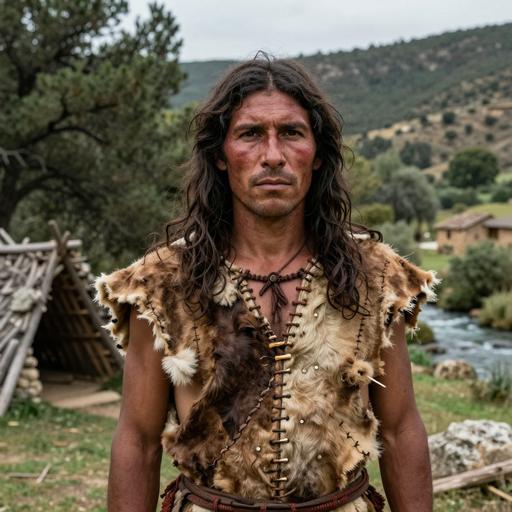
The Hunter-Gatherer period in the Iberian Peninsula, covering the Paleolithic and Mesolithic ages, is a fascinating era that predates the Neolithic revolution and the subsequent development of agriculture and sedentary societies. Spanning from roughly 800,000 years ago to about 6,000 years ago, this prehistoric epoch witnessed numerous migrations, cultural advancements, and adaptation strategies that are fundamental to understanding the evolution of humanity in Western Europe.
Geological and Environmental Context
During this expansive period, the Iberian Peninsula experienced significant climatic changes, primarily influenced by glacial and interglacial cycles. These climatic shifts impacted the geography and available resources, leading to changes in habitats and the distribution of fauna and flora. The landscape ranged from dense woodlands and lush river valleys to coastal regions and mountainous areas, offering a diverse and plentiful environment for hunter-gatherer communities.
Paleolithic Era
Lower Paleolithic (c. 800,000 - 300,000 years ago)
The earliest evidence of human presence in the Iberian Peninsula is found in Atapuerca, near Burgos, where Homo antecessor remains have been discovered. These early humans practiced opportunistic scavenging and hunting, utilizing basic stone tools associated with the Oldowan and Acheulean technologies. Their sustenance primarily depended on large mammals and plant resources available in their surroundings.
Middle Paleolithic (c. 300,000 - 30,000 years ago)
This period is characterized by the presence of Neanderthals, who developed the Mousterian tool culture. Neanderthals in the Iberian Peninsula exhibited sophisticated hunting techniques, targeting species such as deer, horses, and even marine resources in coastal areas. They also demonstrated early symbolic behavior and social organization, as evidenced by cave sites such as El Sidrón and Abric Romaní.
Upper Paleolithic (c. 30,000 - 12,000 years ago)
The arrival of Homo sapiens marked the beginning of the Upper Paleolithic in the Iberian Peninsula. Notable advancements in tool technology emerged, including the Aurignacian, Gravettian, Solutrean, and Magdalenian cultures. This era also saw a flourishing of artistic expression, exemplified by the famous cave paintings in Altamira and El Castillo. These paintings reflect a rich symbolic and spiritual life, with depictions of animals, human figures, and abstract symbols.
Mesolithic Era (c. 12,000 - 6,000 years ago)
The end of the last Ice Age brought significant changes to the Iberian landscape. The retreat of glaciers and the rise in temperatures resulted in the spread of forests and an abundance of smaller game, leading to adaptations in hunting and gathering strategies. The Mesolithic period is marked by the production of microlithic tools, which facilitated a more efficient exploitation of the environment.
Communities began to focus on specific ecological niches, such as coastal fishing, inland hunting of smaller animals, and foraging wild plants and nuts. Sites like Cueva de los Aviones and La Roca dels Moros reveal the continued use of rock art, indicating the persistence of complex cultural and spiritual practices.
Sociocultural Practices
Hunter-gatherer societies in prehistoric Iberia were characterized by small, mobile groups that followed seasonal patterns of resource availability. Social structures were likely organized around kinship, with decision-making shared among community members. The exchange of materials like flint, seashells, and pigments suggests networks of trade and interaction among different groups. Burials from this period indicate some degree of ritual and personal adornment, hinting at individual and collective identities.
Conclusion
The Hunter-Gatherer era in Spain represents a crucial chapter in human history, highlighting adaptability, innovation, and the early development of culture. The archaeological evidence from this period offers valuable insights into the lives of our prehistoric ancestors, their interactions with the environment, and the nascent forms of social organization and cultural expression that laid the groundwork for future civilizations on the Iberian Peninsula.