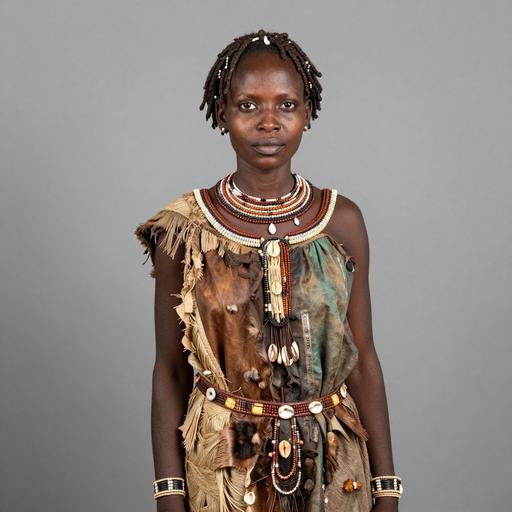
The history of Pemba Island, part of the Zanzibar Archipelago off the coast of present-day Tanzania, is deeply intertwined with the rise of the Swahili Coast civilization. About 1400 years before present, roughly in the 7th century CE, Pemba and the surrounding regions were developing into a vibrant cultural and economic hub thanks to their strategic position on the Indian Ocean trade routes.
Geographic and Environmental Context
Pemba Island, characterized by its fertile soils and lush landscape, provided an ideal setting for agricultural prosperity. The island’s rich biodiversity and conducive climate made it a prime location for growing a variety of crops, which supported both subsistence and trade.
Cultural and Social Structure
The indigenous people of Pemba during this period were part of the broader Swahili culture, a synthesis of African, Arab, Persian, and later Indian and European influences. The Swahili civilization was notable for its cosmopolitan nature, which emerged from centuries of interaction with traders and settlers from across the Indian Ocean.
Society and Urban Development:
Communities on Pemba organized themselves into small settlements that were intricately connected to larger urban centers along the coast, such as Kilwa and Mombasa. Stone and coral architecture began to emerge in more prominent settlements, serving as an indicator of wealth and complex social structures. The society was likely stratified, with a ruling elite controlling trade and interaction with foreigners, and commoners engaging in agriculture, fishing, and artisanal crafts.
Language and Literature:
The Swahili language, a Bantu language enriched with Arabic loanwords due to extensive trade and interactions, began to take shape during this period. It became the lingua franca of the region, facilitating communication across diverse ethnic groups and contributing to a unified cultural identity along the coast.
Economic Activities
Trade and Commerce:
Pemba was an integral part of the Indian Ocean trade network, which connected East Africa to the Arabian Peninsula, India, and beyond. The island's economy thrived on the exchange of ivory, tortoiseshell, and gold from the African hinterlands for textiles, beads, and other luxury goods from Arabia and India. The monsoon winds facilitated this long-distance trade, allowing for predictable travel and communication between distant lands.
Agriculture and Fisheries:
Given its fertile land, Pemba supported robust agricultural activities, including the cultivation of grains, tropical fruits, and later, cloves, which would become synonymous with Zanzibar. Fishing was another pivotal occupation, providing sustenance and trade goods like dried and salted fish.
Religious and Ritualistic Practices
During this period, the religious landscape of Pemba was witnessing transformative changes. Indigenous African spiritual practices, centered around ancestor worship and nature spirits, slowly began to integrate Islamic beliefs and practices due to increasing Arab influence. Islam would eventually dominate the cultural and religious life in the centuries to follow, leaving a lasting legacy on social customs and law.
Technological and Artistic Achievements
The people of Pemba engaged in diverse artisanal crafts, including weaving, pottery, and metalwork. The craftsmanship exhibited on Pemba reflects a complex understanding of both local resources and imported techniques. Pottery decorated with intricate patterns and jewelry crafted from locally available materials such as bone and shell were common.
Conclusion
Pemba, 1400 years before present, was a flourishing node of the Swahili Coast civilization characterized by lively trade, a rich cultural tapestry, and emerging Islamic influence. The island's strategic location and fertile lands supported a thriving community that played a significant role in the interconnected world of the Indian Ocean. Over time, Pemba would continue to evolve, maintaining its cultural significance and economic vitality in the broader historical narratives of East Africa.