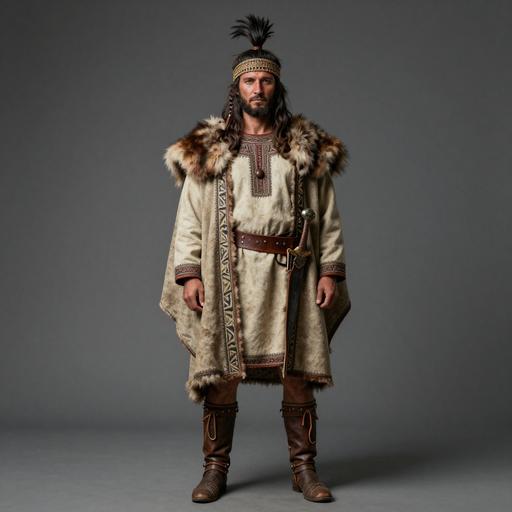
The Iron Age Scythian culture, particularly in the context of the region that is modern-day Hungary, represents a fascinating intersection of nomadic lifestyle, advanced metallurgy, and complex social structures. The Scythians were a group of Iranian-speaking nomadic peoples primarily known for their domination of the Eurasian steppes from around the 9th century BCE to the 3rd century BCE. Their influence extended into parts of Eastern Europe, including what is now Hungary, particularly during the early Iron Age.
Geographic and Temporal Context
During the Iron Age, the Scythian culture spanned a vast area from the Black Sea region across the steppes of what is today Ukraine, southern Russia, and into Central Europe, including parts of Hungary. They thrived from approximately the 7th century BCE to the 3rd century BCE. In Hungary, the influence of the Scythians is evident primarily in the form of archaeological findings that indicate a mix of local traditions and Scythian influences.
Lifestyle and Economy
The Scythians were renowned for their horse-riding skills and nomadic lifestyle. Their economy was largely based on horse breeding, herding, and raiding. They were skilled warriors, often depicted as archers on horseback, which gave them a significant tactical advantage in warfare. This mastery of cavalry tactics contributed to their ability to control large swathes of territory and maintain trade networks across their domain.
In Hungary, the Scythian presence saw the introduction of certain pastoral practices and the development of trade routes that would contribute to the region's economic growth. They likely engaged in trade with neighboring cultures, exchanging goods such as furs, textiles, and metalwork.
Art and Material Culture
The Scythians are perhaps best known for their art, which is characterized by a distinctive 'animal style' that featured intricate depictions of real and mythical animals. These designs adorned objects ranging from weaponry to everyday items, suggesting a cultural emphasis on the symbolic and spiritual significance of animals.
In the Hungarian context, Scythian artifacts include weapons like swords and arrowheads, as well as decorative items such as jewelry made from gold and other metals. These items not only highlight their metalworking skills but also suggest a society that had defined social stratification, where items of luxury were used to denote status.
Burial Practices and Social Structure
Scythian burial practices provide considerable insight into their social structure and beliefs. They constructed monumental kurgans, or burial mounds, which have been found across their territory, including the Carpathian Basin. These mounds often contained the remains of elites, along with goods to be used in the afterlife, such as horses, weapons, and ornaments, indicating a belief in an afterlife and the importance of status even after death.
The presence of such burial sites in Hungary suggests a society that, while nomadic, had elements of a complex social hierarchy. The significant investment in these burials implies a society where leaders wielded substantial power and influence.
Interaction with Other Cultures
The Scythians in Hungary were not isolated; they interacted with neighboring cultures such as the Thracians, Celts, and Dacians. These interactions were likely both hostile and cooperative, involving warfare, trade, and cultural exchange. The dissemination of Scythian art and technology throughout the region highlights their influential role in the cultural dynamics of Iron Age Europe.
Conclusion
The Scythian culture in Hungary during the Iron Age presents a picture of a dynamic and complex society that thrived on its adaptability and martial prowess. Their influence on the region is evident in the archaeological record, showcasing a culture that was as much about mobility and warfare as it was about trade and artistic expression. The Scythians left an indelible mark on the historical landscape of Europe, laying down cultural foundations that would influence later European civilizations.