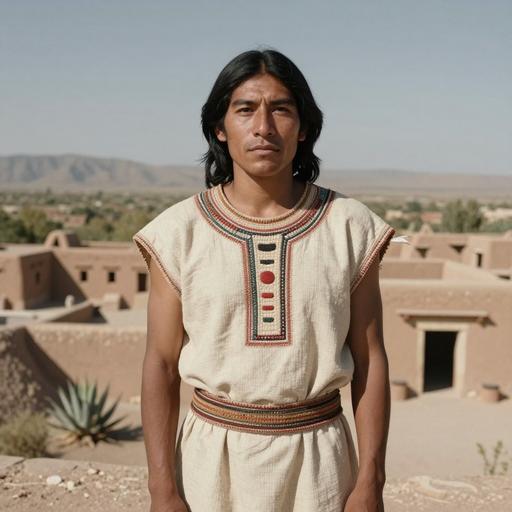
The Casas Grandes culture, specifically during the Medio Period (circa 1200 to 1450 CE), is a significant prehistoric culture within the larger Mogollon tradition. This era is best exemplified by the archaeological site of Paquimé, located in present-day northern Chihuahua, Mexico. The Medio Period represents the apex of the Casas Grandes culture, characterized by complex social organization, extensive trade networks, and remarkable architectural and artistic achievements. Below is an extensive description of the Casas Grandes culture during the Medio Period, focusing on various aspects of their society.
Geographical and Environmental Context
Paquimé, the cultural heart of the Casas Grandes, is situated in a fertile river valley surrounded by the harsh landscapes of the Chihuahuan Desert. This region provided a challenging environment where the inhabitants had to innovate agricultural practices to sustain significant populations. The river systems allowed for the development of irrigation systems that supported the cultivation of maize, beans, squash, and other crops essential for their sustenance. The geographical positioning also facilitated trade connections with Southwestern cultures, such as the Ancestral Puebloans, and Mesoamerican civilizations to the south.
Architectural Achievements
The architectural feats of the Casas Grandes culture during the Medio Period are among its most distinguishing characteristics. The settlement of Paquimé featured multi-storied adobe structures, arranged in a complex layout of plazas, courtyards, and room blocks. Some buildings were as high as four stories, with sophisticated construction techniques that included T-shaped doorways and internal water drainage systems. The prominent use of adobe was well-adapted to the arid climate, providing thermal efficiency in both hot and cold seasons.
The site also included ceremonial mounds, platform mounds, and ballcourts, suggesting influences from both the Greater Southwest and Mesoamerica. These features indicate Paquimé’s role as a ceremonial and political center, attracting a diverse population and facilitating cultural exchange.
Social and Political Structure
The society of the Casas Grandes culture during this period was likely hierarchical and complex. The architectural layout suggests social stratification, with larger, more elaborate residences associated with elite individuals and simpler structures occupied by common folk. The presence of ceremonial structures, extensive storage facilities, and large communal spaces implies organized governance capable of coordinating large-scale labor projects.
Leadership roles were probably associated with religious authority, trade management, and regional diplomacy. Such leaders would have been instrumental in maintaining the wide-reaching trade networks that connected the inhabitants to other surrounding regions.
Economy and Trade
Trade was crucial to the economy of the Casas Grandes culture. Artifacts such as shell jewelry, copper bells, macaw feathers, and exotic pottery uncovered at Paquimé attest to extensive trade connections. The region’s strategic location made it a significant hub for the exchange of goods between the American Southwest and Mesoamerican cultures. Turquoise, often associated with Southwestern trade, was likely a significant export of the region.
Macaws and other birds were bred within Paquimé in special aviaries, indicating the value placed on trade goods with spiritual or ceremonial significance. The control and distribution of these goods may have been a primary function of the elite class, illustrating the integration of economic and socio-political power.
Art and Craftsmanship
The Casas Grandes culture produced a vibrant array of pottery, known for elaborate polychrome designs. Common motifs included geometric patterns, stylized animals, and celestial symbols, often painted in red, black, and brown on a buff or cream background. This pottery not only served utilitarian purposes but also held ceremonial importance and was used as trade items.
Artisans skilled in shell carving, stonework, and metallurgy also thrived during this period, creating items that were both functional and aesthetically pleasing. The art and craftsmanship of the Casas Grandes people reflected a synthesis of local traditions and external influences from both the North and the South.
Religious and Ceremonial Practices
The religious life of the Casas Grandes culture was complex and likely involved a pantheon of deities associated with agricultural fertility, weather phenomena, and cosmological events. The presence of platform mounds and ballcourts suggests ritual activities that may have included ball games with spiritual significance.
Artifacts such as effigy vessels reveal insights into the religious iconography and practices of the people. Ceremonies involving the use of macaw feathers, possibly linked to Mesoamerican beliefs about the cosmic order and the sacred role of birds, underscored the integration of religious beliefs with daily life.
Decline and Legacy
The decline of the Casas Grandes culture around 1450 CE is attributed to various factors, including possible climatic changes, resource depletion, and external pressures from nomadic groups. The collapse of this once-thriving center led to a dispersal of its population and the eventual disappearance of its cultural identity.
The legacy of the Casas Grandes culture is preserved through its impressive archaeological record, which continues to provide insights into pre-Columbian life in this region. Modern studies and excavations offer valuable knowledge about their socio-political organization, economic strategies, and cultural interactions, contributing significantly to our understanding of the vibrant history and diversity of ancient North America.