Menu
Currency
Main
Store
Blog

Loading Report

Preparing your ancestry journey

Connecting to ancient matches...

Preparing your report

Skip to main content
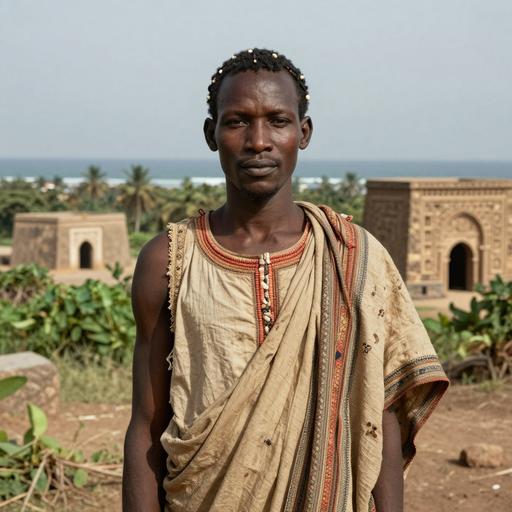
Portrait reconstruction of A man buried in Tanzania in the Medieval era
Ancient Individual

A man buried in Tanzania in the Medieval era

A man buried in Tanzania during the Swahili Culture of Kilwa

A fragment of the ancient world, preserved across millennia in strands of DNA.

I8816
1300 CE - 1600 CE
Male
Tanzania
Scroll to begin
Chapter I

Identity

The biological and cultural markers that define this ancient individual

Sample ID

I8816

Date Range

1300 CE - 1600 CE

Cultural Period

Swahili Culture of Kilwa

Biological Sex

Male

mtDNA Haplogroup

L2a1h

Y-DNA Haplogroup

J-Y25795

Social Role

Trader (AI estimate, era-typical)

Chapter II

Place

Where this individual was discovered

Country Tanzania
Locality Kilwa (Kilwa District)
Coordinates -8.5750, 39.3105
Chapter III

Time

When this individual lived in the broader context of human history

I8816 1300 CE - 1600 CE
Chapter IV

Story

The narrative of this ancient life

Overview

The Swahili Culture of Kilwa describes coastal communities in Tanzania during roughly 900–1500 CE. In this period, Swahili settlements grew into trading centers that connected the East African coast to wider Indian Ocean exchange.

Region & Environment

The Tanzanian coast offered sheltered harbors, mangrove-lined inlets, and rich coastal resources. Such conditions supported fishing and facilitated travel by sea, while nearby freshwater sources and arable zones shaped how settlements could be sustained.

Coastal ecosystems also influenced daily life, including subsistence strategies and the placement of neighborhoods near trade routes and landing areas.

Historical Context

Between the tenth and fifteenth centuries, East African Swahili city-states participated in growing maritime networks. Kilwa is associated with this long-term trend: wealth and material diversity increased where coastal towns could gather goods and redistribute them.

Rather than a single political event, the period reflects gradual urban growth, shifting trade partnerships, and evolving social institutions tied to commerce.

Populations & Lifeways

Residents of Swahili settlements lived in urban or semi-urban settings with occupations linked to trade, craft production, and maritime activity. Household economies included food preparation and fishing, alongside reliance on imported or locally produced goods used in daily life.

Community lifeways likely included participation in seasonal and commercial rhythms connected to sailing and market cycles.

Archaeology & Material Culture

Archaeological remains often include coral-stone and other construction materials characteristic of Swahili towns, plus domestic and craft-related artifacts. Imported ceramics and other non-local materials can be important indicators of exchange.

Material culture may also include items related to trade activities—tools, containers, and locally produced wares—allowing archaeologists to reconstruct how households and workshops contributed to a coastal economy.

Culture & Society

Swahili society is commonly characterized by urban organization, shared architectural practices, and participation in a cosmopolitan trade environment. Evidence for imported goods and distinctive local production suggests a social world in which status and identity were expressed through architecture, consumption, and craft.

Interpretations should remain careful: archaeological patterns show interaction and connections, but the specific institutional mechanisms of governance and cultural change often require cautious correlation with documentary sources.

Legacy & Transition

The Kilwa Swahili horizon reflects the broader rise of Swahili coastal urbanism in which trade, architecture, and material consumption became increasingly prominent. Later centuries saw further transformations in the Swahili coast’s political and economic landscape.

Studying 900–1500 CE helps establish the foundation for later Swahili developments by showing how long-distance exchange and urban life were integrated into East African coastal societies.

Context

Related Samples

This individual exists within a broader network of ancient samples. No ancient genome stands alone.

Sample ID Culture/Period Date Location Action
I7934 Swahili Culture of Manda Island 1456 CE Manda (Lamu), Kenya View
I7939 Swahili Culture of Manda Island 1456 CE Manda (Lamu), Kenya View
I7941 Swahili Culture of Manda Island 1485 CE Manda (Lamu), Kenya View
I7942 Swahili Culture of Manda Island 1457 CE Manda (Lamu), Kenya View
I7943 Swahili Culture of Manda Island 1400 CE Manda (Lamu), Kenya View
I7944 Swahili Culture of Songo Mnara 1516 CE Songo Mnara (Kilwa District, Songo Mnara Island), Tanzania View
I8816 Swahili Culture of Kilwa 1300 CE Kilwa (Kilwa District), Tanzania View
I13871 Makwasinyi (Kenya) 1650 CE Makwasinyi (Taita-Taveta), Kenya View
I13872 Makwasinyi (Kenya) 1650 CE Makwasinyi (Taita-Taveta), Kenya View
I13873 Makwasinyi (Kenya) 1650 CE Makwasinyi (Taita-Taveta), Kenya View
I13874 Makwasinyi (Kenya) 1709 CE Makwasinyi (Taita-Taveta), Kenya View
I13875 Makwasinyi (Kenya) 1667 CE Makwasinyi (Taita-Taveta), Kenya View
I13876 Makwasinyi (Kenya) 1650 CE Makwasinyi (Taita-Taveta), Kenya View
I14001 Swahili Culture of Lindi 1511 CE Lindi, Tanzania View
I14780 Makwasinyi (Kenya) 1650 CE Makwasinyi (Taita-Taveta), Kenya View
I14781 Makwasinyi (Kenya) 1698 CE Makwasinyi (Taita-Taveta), Kenya View
I17401 Makwasinyi (Kenya) 1650 CE Makwasinyi (Taita-Taveta), Kenya View
I17402 Makwasinyi (Kenya) 1650 CE Makwasinyi (Taita-Taveta), Kenya View
I17404 Makwasinyi (Kenya) 1650 CE Makwasinyi (Taita-Taveta), Kenya View
I17405 Makwasinyi (Kenya) 1650 CE Makwasinyi (Taita-Taveta), Kenya View
I17406 Swahili Culture of Mtwapa 1250 CE Mtwapa (Kilifi), Kenya View
I17407 Swahili Culture of Mtwapa 1250 CE Mtwapa (Kilifi), Kenya View
I17410 Swahili Culture of Mtwapa 1446 CE Mtwapa (Kilifi), Kenya View
I17419 Swahili Culture of Manda Island 800 CE Manda (Lamu), Kenya View
I19381 Swahili Culture of Mtwapa 1250 CE Mtwapa (Kilifi), Kenya View
I19384 Swahili Culture of Mtwapa 1250 CE Mtwapa (Kilifi), Kenya View
I19385 Swahili Culture of Mtwapa 1250 CE Mtwapa (Kilifi), Kenya View
I19387 Swahili Culture of Mtwapa 1457 CE Mtwapa (Kilifi), Kenya View
I19388 Swahili Culture of Mtwapa 1200 CE Mtwapa (Kilifi), Kenya View
I19390 Swahili Culture of Mtwapa 1250 CE Mtwapa (Kilifi), Kenya View
I19392 Swahili Culture of Mtwapa 1250 CE Mtwapa (Kilifi), Kenya View
I19393 Swahili Culture of Mtwapa 1200 CE Mtwapa (Kilifi), Kenya View
I19394 Swahili Culture of Mtwapa 1200 CE Mtwapa (Kilifi), Kenya View
I19395 Swahili Culture of Mtwapa 1250 CE Mtwapa (Kilifi), Kenya View
I19404 Bungule People of Kenya 1400 CE Bungule (Taita-Taveta), Kenya View
I19407 Swahili Culture of Manda Island 1400 CE Manda (Lamu), Kenya View
I19408 Swahili Culture of Mtwapa 1250 CE Mtwapa (Kilifi), Kenya View
I19411 Swahili Culture of Mtwapa 1496 CE Mtwapa (Kilifi), Kenya View
I19413 Swahili Culture of Mtwapa 1446 CE Mtwapa (Kilifi), Kenya View
I19414 Swahili Culture of Mtwapa 1350 CE Mtwapa (Kilifi), Kenya View
I19416 Swahili Culture of Mtwapa 1445 CE Mtwapa (Kilifi), Kenya View
I19417 Swahili Culture of Mtwapa 1400 CE Mtwapa (Kilifi), Kenya View
I19418 Swahili Culture of Mtwapa 1497 CE Mtwapa (Kilifi), Kenya View
I19419 Swahili Culture of Mtwapa 1250 CE Mtwapa (Kilifi), Kenya View
I19420 Swahili Culture of Mtwapa 1446 CE Mtwapa (Kilifi), Kenya View
I19423 Swahili Culture of Mtwapa 1323 CE Mtwapa (Kilifi), Kenya View
I19547 Swahili Culture of Songo Mnara 1508 CE Songo Mnara (Kilwa District, Songo Mnara Island), Tanzania View
I19548 Swahili Culture of Songo Mnara 1418 CE Songo Mnara (Kilwa District, Songo Mnara Island), Tanzania View
I19550 Swahili Culture of Songo Mnara 1412 CE Songo Mnara (Lindi Region, Kilwa District, Songo Mnara Island) , Tanzania View
I19552 Swahili Culture of Songo Mnara 1402 CE Songo Mnara (Kilwa District, Songo Mnara Island), Tanzania View
I23548 Swahili Culture of Faza 1645 CE Faza (Lamu, Pate Island), Kenya View
I23550 Swahili Culture of Mtwapa 1200 CE Mtwapa (Kilifi), Kenya View
I23551 Swahili Culture of Mtwapa 1250 CE Mtwapa (Kilifi), Kenya View
I23554 Swahili Culture of Mtwapa 1250 CE Mtwapa (Kilifi), Kenya View
I23657 Swahili Culture of Mtwapa 1250 CE Mtwapa (Kilifi), Kenya View
I23660 Swahili Culture of Mtwapa 1435 CE Mtwapa (Kilifi), Kenya View
I23662 Swahili Culture of Mtwapa 1450 CE Mtwapa (Kilifi), Kenya View
I24661 Swahili Culture of Mtwapa 1250 CE Mtwapa (Kilifi), Kenya View
I24662 Swahili Culture of Mtwapa 1250 CE Mtwapa (Kilifi), Kenya View
I24663 Swahili Culture of Mtwapa 1250 CE Mtwapa (Kilifi), Kenya View
I24665 Swahili Culture of Mtwapa 1250 CE Mtwapa (Kilifi), Kenya View
I24975 Swahili Culture of Mtwapa 1250 CE Mtwapa (Kilifi), Kenya View
I13611 Swahili Culture of Mtwapa 1350 CE Mtwapa (Kilifi), Kenya View
I17409 Swahili Culture of Mtwapa 1226 CE Mtwapa (Kilifi), Kenya View
I17412 Swahili Culture of Mtwapa 1250 CE Mtwapa (Kilifi), Kenya View
I17413 Swahili Culture of Mtwapa 1250 CE Mtwapa (Kilifi), Kenya View
I19386 Swahili Culture of Mtwapa 1451 CE Mtwapa (Kilifi), Kenya View
I19391 Swahili Culture of Mtwapa 1200 CE Mtwapa (Kilifi), Kenya View
I19401 Swahili Culture of Mtwapa 1435 CE Mtwapa (Kilifi), Kenya View
I19409 Swahili Culture of Mtwapa 1442 CE Mtwapa (Kilifi), Kenya View
I19415 Swahili Culture of Mtwapa 1408 CE Mtwapa (Kilifi), Kenya View
I19549 Swahili Culture of Songo Mnara 1629 CE Songo Mnara (Kilwa District, Songo Mnara Island), Tanzania View
I21475 Swahili Culture of Mtwapa 1454 CE Mtwapa (Kilifi), Kenya View
I23558 Swahili Culture of Mtwapa 1200 CE Mtwapa (Kilifi), Kenya View
I23561 Swahili Culture of Mtwapa 1424 CE Mtwapa (Kilifi), Kenya View
I7938 Swahili Culture of Manda Island 1437 CE Manda (Lamu), Kenya View
Sample ID Culture/Period Date Location Action
I8816 Swahili Culture of Kilwa 1300 CE Kilwa (Kilwa District), Tanzania View
Sources

References

Scientific publications and genetic data that inform this profile.

Scientific Publication

Entwined African and Asian genetic roots of medieval peoples of the Swahili coast

Authors Brielle ES, Fleisher J, Wynne-Jones S, Sirak K, Broomandkhoshbacht N et al.
Abstract

The urban peoples of the Swahili coast traded across eastern Africa and the Indian Ocean and were among the first practitioners of Islam among sub-Saharan people1,2. The extent to which these early interactions between Africans and non-Africans were accompanied by genetic exchange remains unknown. Here we report ancient DNA data for 80 individuals from 6 medieval and early modern (AD 1250-1800) coastal towns and an inland town after AD 1650. More than half of the DNA of many of the individuals from coastal towns originates from primarily female ancestors from Africa, with a large proportion-and occasionally more than half-of the DNA coming from Asian ancestors. The Asian ancestry includes components associated with Persia and India, with 80-90% of the Asian DNA originating from Persian men. Peoples of African and Asian origins began to mix by about AD 1000, coinciding with the large-scale adoption of Islam. Before about AD 1500, the Southwest Asian ancestry was mainly Persian-related, consistent with the narrative of the Kilwa Chronicle, the oldest history told by people of the Swahili coast3. After this time, the sources of DNA became increasingly Arabian, consistent with evidence of growing interactions with southern Arabia4. Subsequent interactions with Asian and African people further changed the ancestry of present-day people of the Swahili coast in relation to the medieval individuals whose DNA we sequenced.

Use code for 25% off Expires Jul 27