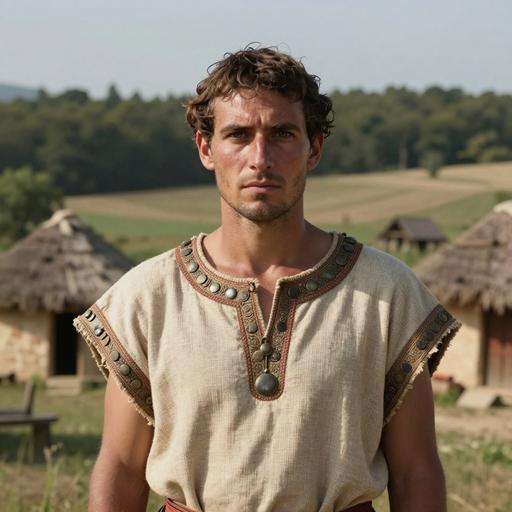
The Middle Bronze Age period in Jagodnjak, a region in modern-day Croatia, forms an integral part of the European Bronze Age, characterized by significant developments in metallurgy, trade, societal structures, and cultural expressions. This era, generally spanning from around 1600 to 1200 BCE in the broader Central European context, showcases both the unique local features of the Jagodnjak culture and its interactions with neighboring regions.
Geography and Settlement
Jagodnjak lies in the fertile plains of eastern Croatia, within the broader geographic area known as the Pannonian Basin. This region's rich natural resources and strategic position along ancient trade routes made it a vital area for settlement and cultural exchange. The landscape during the Middle Bronze Age would have included rivers, forested areas, and arable land, supporting a mixed economy of agriculture, herding, and hunting.
Settlements from this period were typically situated in defensible locations, often on elevated terrain or near water sources. Archaeological evidence suggests the presence of fortified structures, including ditches and palisades, reflecting the need for protection and the organized nature of communities.
Societal Structure
The Middle Bronze Age societies in Jagodnjak were stratified, with emerging social hierarchies evident in burial practices and the distribution of wealth. Leaders or elite individuals were often buried in richly adorned graves with a variety of grave goods, such as bronze weapons, tools, and ornaments, indicating both their status and the artisan skills present in the community.
The presence of long-distance trade networks is also indicative of complex social structures capable of maintaining regional and inter-regional connections. These networks facilitated the exchange of goods, such as amber, exotic pottery, and metal objects, further augmenting the status of elite groups who controlled such trade.
Metallurgy and Craftsmanship
A hallmark of the Middle Bronze Age is advancements in metallurgy, with the production of bronze tools, weapons, and ceremonial objects reaching new heights. In Jagodnjak, local resources such as copper and tin might have been supplemented by imports, but the community exhibited considerable skill in alloying and casting bronze.
Artisans in Jagodnjak produced a variety of items, including swords, knives, axes, and jewelry. The quality and intricacy of these artifacts indicate a high level of craftsmanship and suggest that artisans were likely organized into specialized workshops. This period also saw innovations like the socketed axe and the spread of the 'tumulus' burial culture, which sometimes included intricate metalwork.
Cultural Expressions
Cultural expressions during this time were varied and vibrant, encompassing elements such as ceramics, textile production, and possibly early forms of writing or symbolic representation. Pottery from the Middle Bronze Age in Jagodnjak shows a range of styles, from utilitarian wares to finely decorated vessels used for ritual or ceremonial purposes.
Ceramic styles included both locally developed designs and influences from adjacent cultures, illustrating the interconnectedness of the region. Patterns and motifs often held symbolic significance, possibly related to religious beliefs or social status.
Religion and Ritual
Religious beliefs in the Middle Bronze Age Jagodnjak likely centered around a pantheon of natural deities, with rituals tied to agricultural cycles, fertility, and ancestor worship. This period saw the construction of ceremonial sites, including burial mounds (tumuli) and sacred enclosures.
Rituals may have involved offerings of food, pottery, or metal objects, and certain natural sites like springs or groves could have held particular religious significance. The stratification evident in burial practices also extended to ritual life, with elites perhaps holding unique religious roles or responsibilities.
Interaction and Influence
The Middle Bronze Age Jagodnjak culture engaged with various neighboring cultures, including those in the Carpathian Basin, the Adriatic coast, and the wider Balkans. These interactions facilitated cultural exchange and economic prosperity, as evidenced by similar artifacts found across different regions.
Jagodnjak’s role in the broader European Bronze Age context can be seen in its contributions to shared cultural practices and technological advances. Its strategic location made it a melting pot of influences, which in turn impacted local developments and regional dynamics.
Conclusion
The Middle Bronze Age Jagodnjak was a dynamic culture characterized by its advancements in metallurgy, complex societal structures, and rich cultural expressions. It served as a significant center of interaction within the broader European Bronze Age framework, illustrating the interconnected nature of ancient communities. As archaeological research continues, further insights into the lifestyles, beliefs, and innovations of this era are likely to enhance our understanding of its historical significance.