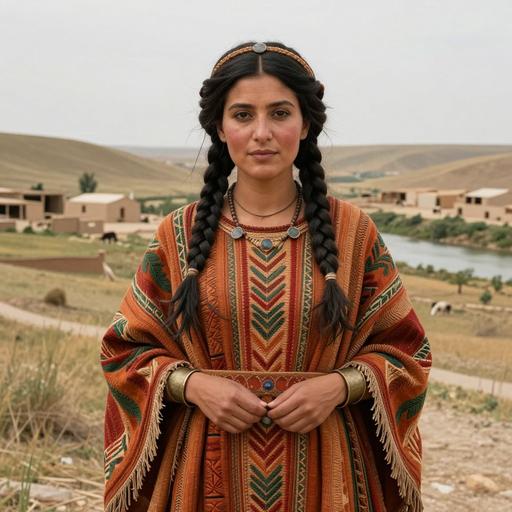
The Iron Age Rabat Culture of Surxondaryo, found within the expansive historical context of Bactria, represents a fascinating and complex society that thrived in the region now known as southern Uzbekistan, near the Surxondaryo River. This area was historically situated at the crossroads of various ancient civilizations and cultures, greatly influencing the intricacies of the Rabat Culture.
Geographical Context:
The region of Surxondaryo is characterized by its diverse landscape, ranging from fertile plains to mountainous terrains, providing a unique environment that supported agriculture and facilitated trade. The proximity to the Surxondaryo River provided a reliable water source and served as a natural passageway, aiding in both irrigation for farming and transportation of goods and people. This geographic advantage contributed significantly to the socioeconomic developments of the Rabat Culture.
Archaeological Discoveries:
Archaeological excavations in the Surxondaryo region have unveiled a variety of settlements, fortifications, and burial sites attributed to the Rabat Culture. These findings highlight a society adept in both agriculture and craftsmanship. Evidence from settlement patterns suggests a community organized into small village clusters, though some larger urban centers likely existed, indicating a degree of social stratification and possibly centralized governance.
One of the distinguishing features of the Rabat Culture is their skill in iron metallurgy. The presence of iron tools and weapons, such as sickles, knives, and arrowheads, points to advanced knowledge in metalworking, which significantly impacted their agricultural practices and military capabilities.
Cultural Aspects:
The material culture of the Rabat people includes distinctive pottery styles, often intricately decorated with geometric patterns and motifs, reflecting both artistic expression and functionality. Additionally, the Rabat Culture demonstrated a synthesis of local traditions and external influences, likely due to interactions with neighboring civilizations such as the Achaemenids and the steppe nomads. This cultural amalgamation is evident in their burial practices, which show variations from simple pit graves to more elaborate tombs with offerings, perhaps indicative of social hierarchies or varying religious beliefs.
Economic and Social Structure:
Economically, the Iron Age Rabat Culture relied heavily on agriculture, with evidence of cultivated cereals, legumes, and domesticated animals. The surplus production likely facilitated trade with regional partners, exchanging local resources for exotic goods like lapis lazuli and other luxury items, which were highly valued across ancient Eurasia.
Socially, this culture appeared to have a dynamic structure, with clear roles and responsibilities divided among its members. The existence of large communal structures and the strategic location of settlements for defense purposes suggest a society that valued community cooperation as well as military readiness.
Religious and Symbolic Practices:
The spiritual life of the Rabat Culture was seemingly complex, involving rituals and symbolic practices evident from various artifacts. Items such as amulets and figurines may represent deities or spiritual entities vital to their religious beliefs. The apparent focus on burial rites also points to a belief in an afterlife, although the specifics of their religious pantheon remain the subject of scholarly debate.
In conclusion, the Iron Age Rabat Culture of the Surxondaryo region within Bactria presents a vivid picture of a society that effectively harnessed its geographical resources, engaged in significant cultural exchanges, and developed sophisticated social and economic systems. Further archaeological research and analysis continue to shed light on its contributions to the historical tapestry of Central Asia and the broader Iron Age world.