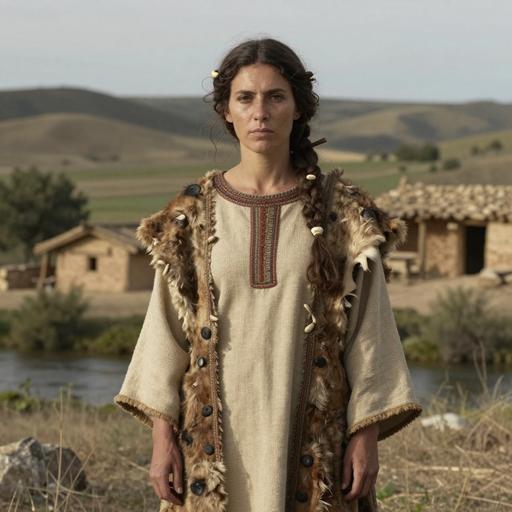
The Middle Neolithic period in Spain, part of the broader Neolithic European era, represents a significant phase in human history where communities transitioned from nomadic hunter-gatherer lifestyles to more sedentary farming and herding practices. This period, approximately dated between 4700 and 3500 BCE depending on the region, marks the intensification of agricultural activities, the establishment of permanent settlements, and the development of complex social structures.
Geographic Context
Middle Neolithic Spain encompassed a diverse range of geographical landscapes, from the fertile Mediterranean coasts to the rugged hinterlands of the Iberian Peninsula. This diversity influenced the adaptability and development of Neolithic cultures, where different environmental conditions necessitated varying agricultural practices and resource management strategies.
Subsistence and Economy
During the Middle Neolithic period, the agrarian economy became more established, with communities cultivating crops such as wheat, barley, lentils, and peas. The domestication of animals including cattle, sheep, goats, and pigs complemented plant cultivation, forming a mixed farming economy that enhanced food security and allowed for population growth.
Fishing, particularly in coastal and riverine areas, continued to play a role in their diet, as evidenced by archaeological findings of fish bones and shell middens. Additionally, wild resources were still exploited to some degree, but reliance on cultivated and domesticated sources was predominant.
Settlements and Architecture
Permanent villages and small hamlets became more common. These settlements typically featured circular or oval huts constructed using local materials such as wood, clay, and reeds. Evidence of larger, more complex structures suggests the beginnings of social stratification, with certain individuals or families possessing more resources or influence.
Tools and Technology
The Middle Neolithic period saw advancements in tool-making, with polished stone tools becoming increasingly sophisticated. Axes, adzes, sickles, and grinding stones were essential for farming activities. Pottery also became more widespread and diversified during this time, with the introduction of decorated wares in various styles, reflecting both functional uses and aesthetic preferences.
Social and Cultural Developments
The social structures of Middle Neolithic communities in Spain became more complex during this era. Evidence suggests a more organized, hierarchical society, potentially with emerging roles of leadership or governance among tribal or clan groups. Burial practices became more elaborate, sometimes involving communal burials in megalithic tombs, which might indicate some level of ancestor worship or spiritual life that placed emphasis on the community.
Art and Symbolism
Artistic expression in this period primarily involved pottery decoration and the creation of figurines, reflecting both everyday life and spiritual beliefs. There is evidence of rock art depicting scenes of daily life, animals, and geometric patterns, which are interpreted as symbolic or religious in nature.
Megalithic structures, such as dolmens, cairns, and menhirs, started appearing more abundantly in landscapes, serving both as burial sites and possible ceremonial locations. These constructions demonstrate a communal effort in their creation and an understanding of architectural principles and alignment.
Interaction and Trade
Trade networks expanded during the Middle Neolithic, with communities exchanging goods such as obsidian, flint, shell ornaments, and pottery across regions. These interactions facilitated the spread of ideas, technological innovations, and cultural practices throughout the Iberian Peninsula and beyond.
Conclusion
The Middle Neolithic period in Spain marks a transformative epoch where basic aspects of modern socioeconomic systems began to take shape. This era laid the groundwork for further cultural advancements and set patterns that would influence subsequent historical developments in the region. Understanding this period provides valuable insights into the evolution of human societies from simple agrarian communities to more organized and dynamic cultures.