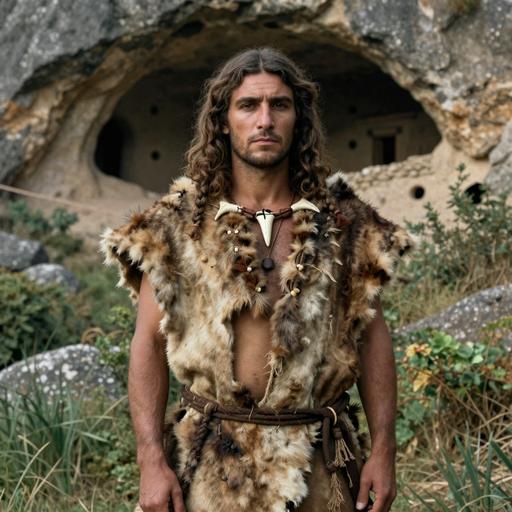
The Solutrean culture represents a significant archaeological phenomenon of the Upper Paleolithic in prehistoric Europe. Flourishing approximately between 21,000 and 17,000 years ago during the last glacial maximum, the Solutrean culture is renowned for its distinct technological innovations and artistic expressions. This culture primarily spanned regions that include present-day France, Spain, and parts of Portugal.
Geographic and Climatic Context
The Solutrean culture emerged during a period of significant climatic adversity known as the Last Glacial Maximum. This epoch was characterized by colder temperatures, glacial expansions, and reduced habitable zones in Europe. The landscape was dominated by tundra and steppe-like environments due to extensive ice sheets covering much of Northern Europe. As such, Solutrean settlements are often found in areas like the Aquitaine Basin, the Cantabrian Mountains, and the Iberian Peninsula, where conditions were more accommodating.
Technological Innovations
The hallmark of Solutrean culture is its advanced lithic (stone tool) technology. Solutrean artisans developed techniques for producing bifacially flaked stone points, which are often regarded as some of the most sophisticated stone implements of the Paleolithic. The most notable among these are the laurel leaf points and shouldered points, crafted using pressure flaking. This technique allowed for the production of thin, symmetrical, and sharp-edged tools that were likely used for hunting game, which was crucial for survival in the harsh climate.
Subsistence and Economy
Subsistence strategies in Solutrean culture were largely dictated by the environment. The Solutreans were hunter-gatherers who likely relied heavily on reindeer, horse, bison, and other large game animals, which roamed the steppes and open plains. The strategic location of their sites suggests a seasonal understanding of animal migrations. In addition to hunting, it is believed that they gathered plant resources and exploited diverse environmental niches, showing a broad-based subsistence economy typical of Upper Paleolithic societies.
Art and Symbolism
Solutrean culture is also distinguished by its artistic contributions, which reflect a sophisticated symbolic understanding of their world. Cave art from this period, as observed in sites like Lascaux and Altamira, while primarily associated with subsequent cultures like the Magdalenian, shows a continuity of artistic tradition in which the Solutreans participated. Portable art, such as carved tools and decorative items, has been found, indicating a rich symbolic life. These artifacts often depict animals and abstract patterns, suggesting deep connections between the environment, survival strategies, and spiritual beliefs.
Social Organization and Cultural Practices
While direct evidence of Solutrean social structure is limited, analysis of dwelling sites points to small, mobile bands organized around family units. Seasonal aggregation likely occurred during certain periods for resource-sharing, social exchange, and potentially ritual activities. Burials discovered from this era indicate the use of ochre and may reflect beliefs in an afterlife or spiritual practices.
Legacy and Theoretical Considerations
The Solutrean culture is sometimes controversially linked to theories suggesting an early trans-Atlantic migration to North America, based on the similarities between Solutrean and Clovis stone technologies. However, this theory lacks substantial evidence and remains debated among archaeologists. More broadly, Solutrean culture contributes to our understanding of human adaptation and innovation in response to climatic challenges.
Conclusion
The Solutrean culture, with its distinctive technological, artistic, and subsistence strategies, stands as a testament to human ingenuity and adaptability in prehistoric Europe. As archaeologists continue to unearth and study Solutrean sites, new insights will undoubtedly enrich our understanding of this pivotal period in human history.