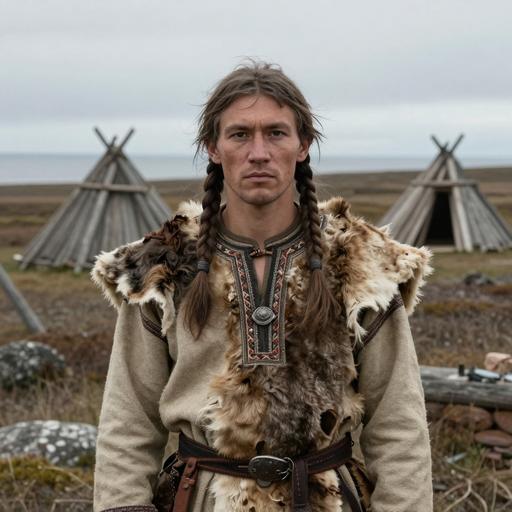
The Iron Age Ekven culture is a fascinating yet often underrepresented segment of the broader tapestry of Eurasian nomadic societies. Situated in the northeastern regions of modern-day Russia, particularly around the Chukotka Peninsula, Ekven culture flourished during the Iron Age, roughly from 500 BCE to the early centuries CE. This period is marked by a complex intertwining of indigenous traditions and influences from neighboring nomadic cultures, leading to a unique cultural synthesis.
Geographic and Environmental Context
The Ekven culture emerged in a harsh yet resource-rich environment characterized by tundra and coastal marine ecosystems. The geography significantly influenced Ekven lifestyles, as the severe Arctic climate imposed specific adaptations in terms of housing, clothing, and subsistence practices. The proximity to the Bering Sea facilitated a reliance on marine resources, leading to a sophisticated understanding of sea mammals, fish, and oceanic navigation.
Social Structure and Lifestyle
Like many nomadic societies, the Ekven culture was organized around kinship and clan-based social structures. Community life often revolved around small, mobile groups, each led by a chieftain or an elder figure whose authority was rooted in wisdom and martial prowess. Trade and interaction with other groups, including Siberian and Alaskan cultures, were common, fostering a fluid exchange of goods, ideas, and technologies.
Subsistence and Economy
Ekven economies were semi-nomadic, combining hunting, fishing, and gathering with some pastoral elements. The communities showed remarkable adaptability, utilizing seasonal movements to exploit different resources. Hunting of terrestrial fauna such as reindeer and marine species like seals and whales played a critical role in their subsistence strategies. This reliance on a diverse array of resources is evident in the archaeological remains, which include specialized tools and weapons tailored for different types of hunting and fishing.
Material Culture and Technology
One of the most notable aspects of the Ekven culture is its material culture, which includes sophisticated craftsmanship in bone, ivory, and metalworking. Tools and weapons made from bone and antler showcase intricate carvings and functional design, reflecting both technical skill and artistic expression. Metal objects, though less common due to limited access to natural sources, point to trade connections with larger networks across Eurasia, through which metal goods and techniques were acquired.
Art and Symbolism
Ekven art is characterized by its symbolic depth and aesthetic detail. Artefacts often feature engravings and carvings that depict mythological themes, hunting scenes, and animal motifs, revealing a cosmology deeply interconnected with nature. This art served not only decorative purposes but also communicated cultural narratives and spiritual beliefs. Masks, ceremonial items, and personal ornaments provide insight into the rich symbolic life of the Ekven people, often linked to shamanistic rites and rituals.
Burial Practices and Spirituality
Burial practices in Ekven culture emphasize their complex belief systems. Excavations, notably at sites like Ekven itself, have uncovered graves that reveal fascinating aspects of their spiritual worldview. The graves often contain well-preserved remains due to permafrost, along with grave goods that suggest a belief in an afterlife. Items such as tools, weapons, and personal adornments accompany the deceased, indicative of their status and role in life, as well as a continued existence beyond death.
Interaction with Other Cultures
The Ekven culture was not isolated; it was part of a vibrant tapestry of interactions across northeastern Asia and beyond. Archaeological evidence supports contacts with neighboring Siberian cultures and those across the Bering Strait in Alaska, facilitating cultural exchange and assimilation of innovative practices. These interactions were crucial in shaping the unique identity of Ekven, marked by both resilience and adaptability.
Conclusion
The Iron Age Ekven culture offers a compelling glimpse into the life of Eurasian nomadic societies, marked by an impressive ability to adapt, innovate, and thrive in challenging environments. Its legacy is preserved in the archaeological records and the continuation of certain cultural elements among indigenous peoples of the Arctic today. Understanding Ekven involves piecing together these clues to reveal a society that was both distinct in its cultural expressions and integral to the broader networks of the ancient world.