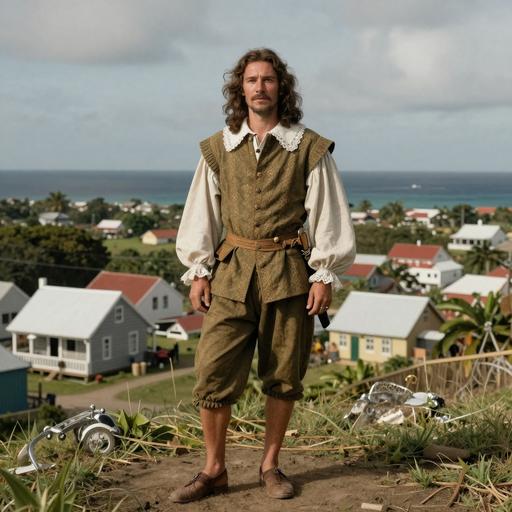
Saint Martin, the island known for its unique dual governance by both France and the Kingdom of the Netherlands, offers a fascinating blend of cultural influences, particularly in its capital cities of Philipsburg (Dutch side) and Marigot (French side). This remarkable synthesis has resulted from the island's strategic location in the Caribbean, its colonial history, and its vibrant local culture.
Historical Background
The island of Saint Martin, known for its beautiful beaches and duty-free shopping, is divided between two nations—the northern part being the French overseas collectivity of Saint-Martin, and the southern part known as Sint Maarten, a constituent country of the Kingdom of the Netherlands. This division dates back to the Treaty of Concordia, signed in 1648, which amicably split the island between France and the Dutch Republic.
Philipsburg: The Dutch Side
Philipsburg, the capital of Dutch Sint Maarten, is a bustling hub that embodies Dutch Caribbean culture. It was founded in the 18th century and named after John Philips, a Scottish captain in the Dutch navy who helped establish it as a Dutch trading settlement. The town retains much of its colonial charm with pastel-colored buildings and cobblestoned streets lined with palm trees.
Cultural Influences
Architecture: The architecture reflects a colonial Dutch style with some Caribbean influences, characterized by gabled buildings with sloped roofs and verandas. Fort Amsterdam and Fort Willem are historical landmarks that offer a glimpse into the island's colonial past.
Language: While Dutch is the official language, English is widely spoken, and you will also hear Papiamento—a Creole language—influenced by African, Spanish, and Portuguese tongues.
Economy and Commerce: Philipsburg is renowned for its duty-free shopping centers, attracting tourists from all over the world. Its harbor, a frequent stop for cruise ships, is vital to the local economy, making trade and tourism its economic linchpins.
Festivals: The Carnival in Philipsburg is a major event, reflecting a mix of Dutch, African, and local influences, characterized by colorful parades, calypso music, and diverse food stalls.
Traditional and Modern Lifestyles
The people of Saint Martin embrace both traditional Caribbean lifestyles and modern influences brought by tourism. The Dutch-French blend is apparent in daily life, from cuisine to music and beyond.
Cuisine
The island's cuisine is a delightful fusion of Creole, French, and Dutch flavors. In Philipsburg, you will find a mix of eateries, from roadside barbecues to upscale restaurants serving fresh seafood. Traditional dishes include \Johnny cakes," "conch and dumplings," and "souse."
Festivals and Traditions
- Heineken Regatta: This annual sailing event, famous worldwide, combines competitive sailing with live music and parties, showcasing the island’s festive spirit.
- Saint Martin Day: Celebrated on November 11th, it marks the day Columbus sighted the island in 1493, unified by shared festivities across both sides of the island.
The Blend of French and Dutch Cultures
This cultural fusion has created a rare coexistence, visible in the everyday lives of its residents who easily move between the French and Dutch sides.
- Education and Language: Schools teach in English primarily, but also offer Dutch and French, reflecting the official languages.
- Religion: Predominantly Catholic, with other Christian denominations and religions represented, showcasing religious tolerance and diversity.
- Local Crafts: Artistic expressions on the island include vibrant paintings, woodwork, and crafts that reflect maritime themes and island life.
Conclusion
Saint Martin, and its bustling capital Philipsburg, is a melting pot of Dutch and French cultures, set against the stunning backdrop of the Caribbean. Its unique governance, combined with its rich history and lively culture, makes it a fascinating destination for those interested in studying colonial legacies, maritime commerce, and multicultural interactions. The island's ability to maintain its cultural distinctiveness while fostering a spirit of cooperation is what truly sets it apart."