Menu
Currency
Main
Store
Blog

Loading Report

Preparing your ancestry journey

Connecting to ancient matches...

Preparing your report

Skip to main content
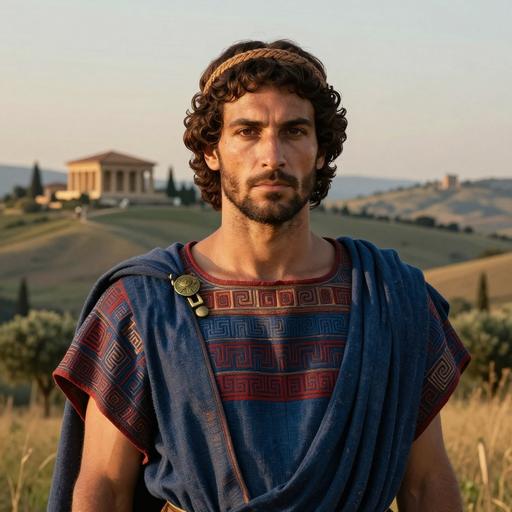
Portrait reconstruction of A man buried in Italy in the Iron Age era
Ancient Individual

A man buried in Italy in the Iron Age era

A man buried in Italy during the Etruscan Italy

A fragment of the ancient world, preserved across millennia in strands of DNA.

TAQ005
360 BCE - 25 BCE
Male
Italy
Scroll to begin
Chapter I

Identity

The biological and cultural markers that define this ancient individual

Sample ID

TAQ005

Date Range

360 BCE - 25 BCE

Cultural Period

Etruscan Italy

Biological Sex

Male

mtDNA Haplogroup

T2d2

Y-DNA Haplogroup

Not available

Chapter II

Place

Where this individual was discovered

Country Italy
Locality Lazio. Viterbo. Tarquinia
Coordinates 42.2500, 11.7679
Chapter III

Time

When this individual lived in the broader context of human history

TAQ005 360 BCE - 25 BCE
Chapter IV

Story

The narrative of this ancient life

The Etruscans were an ancient civilization that flourished in Italy, primarily in the region that is now modern-day Tuscany, western Umbria, and northern Lazio, prominently including the city of Viterbo. This civilization thrived from approximately the 8th to the 3rd century BCE, preceding and influencing the Roman Empire in its nascent stages.

Origins and Influences:

The origins of the Etruscans are somewhat enigmatic and have been the subject of much scholarly debate. Some historical sources, such as the Greek historian Herodotus, suggest that the Etruscans emigrated from Lydia in Asia Minor, while others propose indigenous development in Italy. Contemporary archaeological and genetic studies indicate a complex interplay of local and external elements that gave rise to this distinctive culture.

Cultural influences from the Greeks and Phoenicians significantly shaped Etruscan society. They adopted aspects of Greek art, religion, and alphabets, yet synthesized them into unique expressions of Etruscan cultural identity.

Society and Governance:

Etruscan society was organized into a loose confederation of city-states, similar to the Greek model, with each city (known as \lucumonies") governed by a king, initially, and later by oligarchic councils as their societies advanced. Key cities included Tarquinia, Cerveteri, Vulci, and notably, Viterbo. Viterbo was part of what was known as Etruria, the region encompassing the core of their civilization.

Etruscan society was hierarchical, with a significant emphasis on aristocracy. The social structure was complex, featuring nobility, commoners, and likely slaves. Families, or "gentes," which held significant power, were critical to the political and social framework.

Economy and Commerce:

The economy of the Etruscans was robust and heavily interconnected through trade. The mineral-rich regions they inhabited fueled their economy, with iron, copper, and tin being prominent exports. The Etruscans excelled in metallurgy, producing exquisite bronze work and jewelry that are still admired today.

Their strategic position on the Mediterranean facilitated extensive trade networks with the Greeks, Phoenicians, and other Italic peoples. The Etruscans were also skilled in agricultural practices, cultivating grains, olives, and grapes, underpinning both local subsistence and trade.

Religion and Funerary Practices:

Etruscan religion was polytheistic, heavily influenced by Greek deities, yet maintaining unique characteristics. They believed in a complex pantheon of gods and goddesses, and practices were deeply intertwined with interpretations of omens and the will of the gods. The discipline of divination, particularly through the reading of animal entrails (haruspicy) and the interpretation of lightning (augury), was integral to their spiritual and daily life.

The Etruscans placed great emphasis on funerary practices, believing in an afterlife where the dead needed to be properly prepared and equipped. This is evidenced by the elaborate tombs and necropolises, such as those found near Tarquinia and Cerveteri. These burial sites reveal a wealth of frescoes and artifacts, providing insight into Etruscan beliefs, social practices, and artistry.

Art and Architecture:

Etruscan art is characterized by its vibrant, dynamic nature, often depicting themes of daily life, mythology, and the afterlife. Tomb paintings and urns feature scenes of banquets, athletic competitions, and religious ceremonies. Sculpture, particularly in bronze and terracotta, was highly developed, with the Chimera of Arezzo and the Sarcophagus of the Spouses being notable examples.

In architecture, the Etruscans made significant contributions that would later influence Roman building techniques. They were adept builders of roads and bridges and were among the first to employ the arch in construction. Etruscan temples, with their high podiums and deep, columned porches, are considered an evolutionary step towards Roman temples.

Decline and Legacy:

The decline of the Etruscan civilization began in the 4th century BCE as a result of external pressures from expanding Roman power and internal socio-political conflicts. By the end of the 3rd century BCE, most of Etruria had been subsumed into the Roman Republic.

Despite their decline, the Etruscans left a profound legacy on Roman culture, particularly in areas such as religion, architecture, and governance. Many aspects of Etruscan culture were absorbed and adapted by the Romans, contributing significantly to the development of the Roman Empire.

Today, the legacy of the Etruscans endures through archaeological discoveries and ongoing research, continuing to provide invaluable insights into this fascinating civilization that played a crucial role in the history of Classical Antiquity."

Context

Related Samples

This individual exists within a broader network of ancient samples. No ancient genome stands alone.

Sample ID Culture/Period Date Location Action
VEN001 Basilicata Venosa Culture 650 CE Basilicata. Potenza. Venosa, Italy View
VEN002 Basilicata Venosa Culture 650 CE Basilicata. Potenza. Venosa, Italy View
VEN005 Basilicata Venosa Culture 600 CE Basilicata. Potenza. Venosa, Italy View
VEN006 Basilicata Venosa Culture 600 CE Basilicata. Potenza. Venosa, Italy View
VEN008 Basilicata Venosa Culture 600 CE Basilicata. Potenza. Venosa, Italy View
VEN009 Basilicata Venosa Culture 600 CE Basilicata. Potenza. Venosa, Italy View
VEN010 Basilicata Venosa Culture 600 CE Basilicata. Potenza. Venosa, Italy View
VEN012 Basilicata Venosa Culture 600 CE Basilicata. Potenza. Venosa, Italy View
VEN013 Basilicata Venosa Culture 600 CE Basilicata. Potenza. Venosa, Italy View
VEN014 Basilicata Venosa Culture 600 CE Basilicata. Potenza. Venosa, Italy View
VEN015 Basilicata Venosa Culture 600 CE Basilicata. Potenza. Venosa, Italy View
VEN016 Basilicata Venosa Culture 600 CE Basilicata. Potenza. Venosa, Italy View
VEN018 Basilicata Venosa Culture 600 CE Basilicata. Potenza. Venosa, Italy View
VEN021 Basilicata Venosa Culture 600 CE Basilicata. Potenza. Venosa, Italy View
VEN022 Basilicata Venosa Culture 600 CE Basilicata. Potenza. Venosa, Italy View
VEN017 Basilicata Venosa Culture 600 CE Basilicata. Potenza. Venosa, Italy View
TAQ003 Early Medieval Viterbo, Lazio, Italy 771 CE Lazio. Viterbo. Tarquinia, Italy View
TAQ009 Early Medieval Viterbo, Lazio, Italy 895 CE Lazio. Viterbo. Tarquinia, Italy View
TAQ011 Early Medieval Viterbo, Lazio, Italy 893 CE Lazio. Viterbo. Tarquinia, Italy View
TAQ022 Early Medieval Viterbo, Lazio, Italy 1023 CE Lazio. Viterbo. Tarquinia, Italy View
TAQ002 Etruscan Italy 99 BCE Lazio. Viterbo. Tarquinia, Italy View
TAQ004 Etruscan Italy 400 BCE Lazio. Viterbo. Tarquinia, Italy View
TAQ006 Etruscan Italy 400 BCE Lazio. Viterbo. Tarquinia, Italy View
TAQ007 Etruscan Italy 391 BCE Lazio. Viterbo. Tarquinia, Italy View
TAQ008 Etruscan Italy 400 BCE Lazio. Viterbo. Tarquinia, Italy View
TAQ010 Etruscan Italy 400 BCE Lazio. Viterbo. Tarquinia, Italy View
TAQ012 Etruscan Italy 400 BCE Lazio. Viterbo. Tarquinia, Italy View
TAQ013 Etruscan Italy 400 BCE Lazio. Viterbo. Tarquinia, Italy View
TAQ015 Etruscan Italy 343 BCE Lazio. Viterbo. Tarquinia, Italy View
TAQ016 Etruscan Italy 400 BCE Lazio. Viterbo. Tarquinia, Italy View
TAQ019 Etruscan Italy 358 BCE Lazio. Viterbo. Tarquinia, Italy View
TAQ023 Etruscan Italy 396 BCE Lazio. Viterbo. Tarquinia, Italy View
TAQ024 Etruscan Italy 354 BCE Lazio. Viterbo. Tarquinia, Italy View
TAQ017 Etruscan Italy 375 BCE Lazio. Viterbo. Tarquinia, Italy View
TAQ005 Etruscan Italy 360 BCE Lazio. Viterbo. Tarquinia, Italy View
TAQ001 Etruscan Italy 375 BCE Lazio. Viterbo. Tarquinia, Italy View
TAQ018 Etruscan Italy 360 BCE Lazio. Viterbo. Tarquinia, Italy View
TAQ020 Imperial Lazio Viterbo, Italy 128 CE Lazio. Viterbo. Tarquinia, Italy View
TAQ021 Imperial Lazio Viterbo, Italy 258 CE Lazio. Viterbo. Tarquinia, Italy View
POP001 Early Medieval Grosseto, Tuscany, Italy 772 CE Tuscany. Grosseto. Poggio Pelliccia, Italy View
CSN001 Etruscan Grosseto, Italy 600 BCE Tuscany. Grosseto. Casenovole, Italy View
CSN003 Etruscan Grosseto, Italy 384 BCE Tuscany. Grosseto. Casenovole, Italy View
CSN004 Etruscan Grosseto, Italy 600 BCE Tuscany. Grosseto. Casenovole, Italy View
CSN005 Etruscan Grosseto, Italy 600 BCE Tuscany. Grosseto. Casenovole, Italy View
CSN006 Etruscan Grosseto, Italy 539 BCE Tuscany. Grosseto. Casenovole, Italy View
CSN007 Etruscan Grosseto, Italy 600 BCE Tuscany. Grosseto. Casenovole, Italy View
CSN008 Etruscan Grosseto, Italy 600 BCE Tuscany. Grosseto. Casenovole, Italy View
CSN009 Etruscan Grosseto, Italy 450 BCE Tuscany. Grosseto. Casenovole, Italy View
CSN010 Etruscan Grosseto, Italy 400 BCE Tuscany. Grosseto. Casenovole, Italy View
CSN013 Etruscan Grosseto, Italy 600 BCE Tuscany. Grosseto. Casenovole, Italy View
MAG001 Etruscan Grosseto, Italy 788 BCE Tuscany. Grosseto. Magliano in Toscana, Italy View
MAS001 Etruscan Grosseto, Italy 348 BCE Tuscany. Grosseto. Marsiliana d'Albegna, Italy View
MAS004 Etruscan Grosseto, Italy 805 BCE Tuscany. Grosseto. Marsiliana d'Albegna, Italy View
VET001 Etruscan Grosseto, Italy 750 BCE Tuscany. Grosseto. Vetulonia, Italy View
VET002 Etruscan Grosseto, Italy 786 BCE Tuscany. Grosseto. Vetulonia, Italy View
VET003_4 Etruscan Grosseto, Italy 804 BCE Tuscany. Grosseto. Vetulonia, Italy View
VET005 Etruscan Grosseto, Italy 373 BCE Tuscany. Grosseto. Vetulonia, Italy View
VET006_9 Etruscan Grosseto, Italy 361 BCE Tuscany. Grosseto. Vetulonia, Italy View
VET007 Etruscan Grosseto, Italy 806 BCE Tuscany. Grosseto. Vetulonia, Italy View
VET008 Etruscan Grosseto, Italy 384 BCE Tuscany. Grosseto. Vetulonia, Italy View
VET010 Etruscan Grosseto, Italy 780 BCE Tuscany. Grosseto. Vetulonia, Italy View
VET011 Etruscan Grosseto, Italy 750 BCE Tuscany. Grosseto. Vetulonia, Italy View
VEU001 Etruscan Grosseto, Italy 786 BCE Tuscany. Grosseto. Vetulonia, Italy View
CSN002 Etruscan Grosseto, Italy 459 BCE Tuscany. Grosseto. Casenovole, Italy View
CSN012 Etruscan Grosseto, Italy 600 BCE Tuscany. Grosseto. Casenovole, Italy View
MAS002 Imperial Tuscany Grosseto, Italy 245 CE Tuscany. Grosseto. Marsiliana d'Albegna, Italy View
VOL001 Etruscan Pisa, Italy 195 BCE Tuscany. Pisa. Volterra, Italy View
ETR003 Early Medieval Siena, Tuscany, Italy 997 CE Tuscany. Siena. Chiusi, Italy View
ETR004 Early Medieval Siena, Tuscany, Italy 700 CE Tuscany. Siena. Chiusi, Italy View
ETR006 Early Medieval Siena, Tuscany, Italy 773 CE Tuscany. Siena. Chiusi, Italy View
ETR007 Early Medieval Siena, Tuscany, Italy 772 CE Tuscany. Siena. Chiusi, Italy View
ETR010 Early Medieval Siena, Tuscany, Italy 700 CE Tuscany. Siena. Chiusi, Italy View
ETR012 Early Medieval Siena, Tuscany, Italy 700 CE Tuscany. Siena. Chiusi, Italy View
ETR013 Early Medieval Siena, Tuscany, Italy 896 CE Tuscany. Siena. Chiusi, Italy View
ETR014 Early Medieval Siena, Tuscany, Italy 987 CE Tuscany. Siena. Chiusi, Italy View
CAM001 Etruscan Siena, Italy 775 BCE Tuscany. Siena. Campiglia dei Foci, Italy View
CAM002 Etruscan Siena, Italy 770 BCE Tuscany. Siena. Campiglia dei Foci, Italy View
CAM003 Etruscan Siena, Italy 773 BCE Tuscany. Siena. Campiglia dei Foci, Italy View
ETR005 Etruscan Siena, Italy 805 BCE Tuscany. Siena. Chiusi, Italy View
PRZ001 Etruscan Siena, Italy 791 BCE Tuscany. Siena. Poggio Renzo, Italy View
PRZ002 Etruscan Siena, Italy 772 BCE Tuscany. Siena. Poggio Renzo, Italy View
Sample ID Culture/Period Date Location Action
TAQ002 Etruscan Italy 99 BCE Lazio. Viterbo. Tarquinia, Italy View
TAQ004 Etruscan Italy 400 BCE Lazio. Viterbo. Tarquinia, Italy View
TAQ006 Etruscan Italy 400 BCE Lazio. Viterbo. Tarquinia, Italy View
TAQ007 Etruscan Italy 391 BCE Lazio. Viterbo. Tarquinia, Italy View
TAQ008 Etruscan Italy 400 BCE Lazio. Viterbo. Tarquinia, Italy View
TAQ010 Etruscan Italy 400 BCE Lazio. Viterbo. Tarquinia, Italy View
TAQ012 Etruscan Italy 400 BCE Lazio. Viterbo. Tarquinia, Italy View
TAQ013 Etruscan Italy 400 BCE Lazio. Viterbo. Tarquinia, Italy View
TAQ015 Etruscan Italy 343 BCE Lazio. Viterbo. Tarquinia, Italy View
TAQ016 Etruscan Italy 400 BCE Lazio. Viterbo. Tarquinia, Italy View
TAQ019 Etruscan Italy 358 BCE Lazio. Viterbo. Tarquinia, Italy View
TAQ023 Etruscan Italy 396 BCE Lazio. Viterbo. Tarquinia, Italy View
TAQ024 Etruscan Italy 354 BCE Lazio. Viterbo. Tarquinia, Italy View
TAQ017 Etruscan Italy 375 BCE Lazio. Viterbo. Tarquinia, Italy View
TAQ005 Etruscan Italy 360 BCE Lazio. Viterbo. Tarquinia, Italy View
TAQ001 Etruscan Italy 375 BCE Lazio. Viterbo. Tarquinia, Italy View
TAQ018 Etruscan Italy 360 BCE Lazio. Viterbo. Tarquinia, Italy View
Sources

References

Scientific publications and genetic data that inform this profile.

Scientific Publication

The origin and legacy of the Etruscans through a 2000-year archeogenomic time transect

Authors Posth C, Zaro V, Spyrou MA, Vai S, Gnecchi-Ruscone GA et al.
Abstract

The origin, development, and legacy of the enigmatic Etruscan civilization from the central region of the Italian peninsula known as Etruria have been debated for centuries. Here we report a genomic time transect of 82 individuals spanning almost two millennia (800 BCE to 1000 CE) across Etruria and southern Italy. During the Iron Age, we detect a component of Indo-European–associated steppe ancestry and the lack of recent Anatolian-related admixture among the putative non–Indo-European–speaking Etruscans. Despite comprising diverse individuals of central European, northern African, and Near Eastern ancestry, the local gene pool is largely maintained across the first millennium BCE. This drastically changes during the Roman Imperial period where we report an abrupt population-wide shift to ~50% admixture with eastern Mediterranean ancestry. Last, we identify northern European components appearing in central Italy during the Early Middle Ages, which thus formed the genetic landscape of present-day Italian populations.

Use code for 25% off Expires Jul 13