


Chapter 1
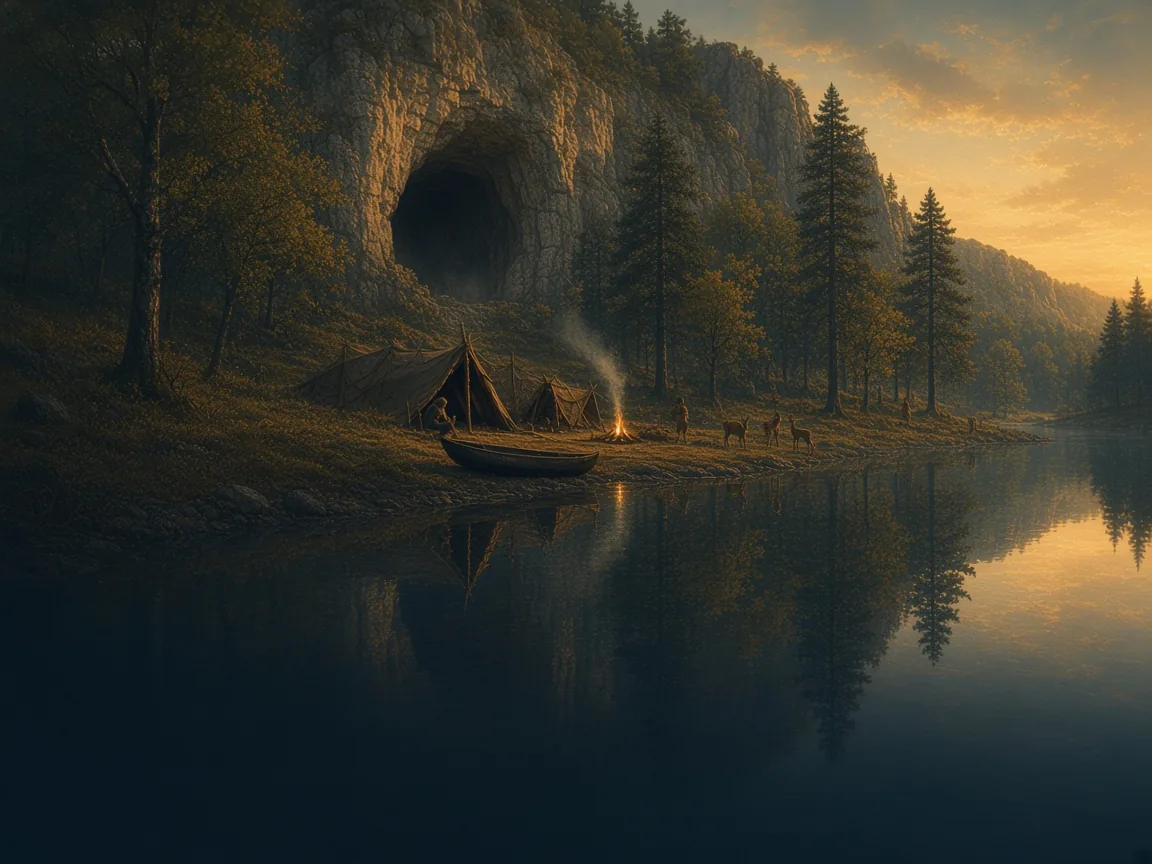
Paleolithic & Mesolithic
40,000 BCE to 6,000 BCE
Hunter-gatherer communities before farming.
What your data actually shows
2/100 period similarity

Your Genetic Story - Ancient Italy
Download PDF creates a visual, rasterized copy. Use Print for selectable text and better assistive-technology support.
Your Genetic Story
Analyzing your genetic similarity to ancient Italian reference samples...
Preparing your genetic-similarity report
Italy has long connected Mediterranean peoples, from early farmers to Roman citizens and medieval communities.
Your strongest regional connections fall within historical connections.
Italy has long connected Mediterranean peoples, from early farmers to Roman citizens and medieval communities.
10 chapters, from the earliest period to the most recent, showing how your similarity maps onto the history of the Italian Peninsula.
40,000 BCE to 6,000 BCE
Hunter-gatherer communities before farming.
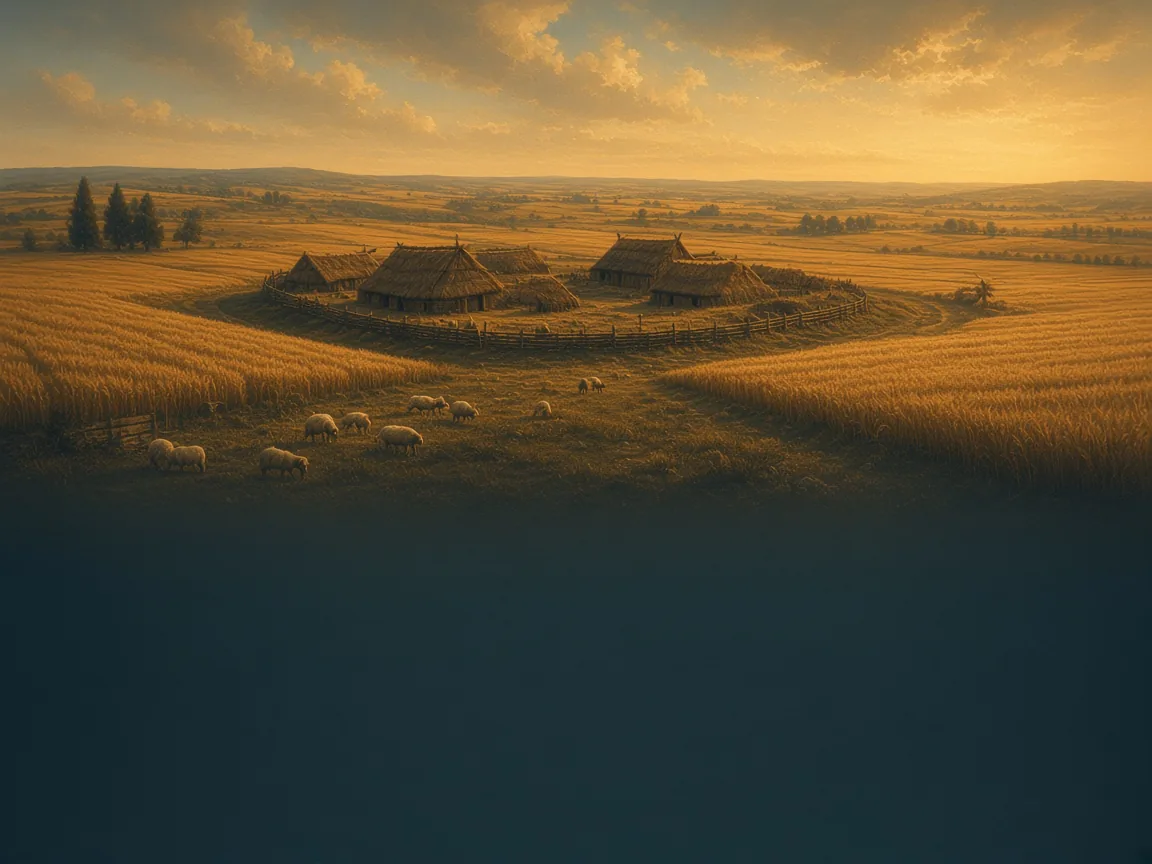
6,000 BCE to 3,500 BCE
Early farming communities of Italy.
The Italian Early Neolithic period, a significant phase in the overarching Early European Farming era, marks a pivotal transformation in human history where societies transitioned from hunter-gatherer lifestyles to settled agricultural communities. This era, roughly dated between 6000 and 4000 BCE, saw the nascent development of farming practices across the Italian peninsula, profoundly influencing its socio-cultural and economic structures.
Italy's geography, with its extensive coastlines, fertile plains, and a diverse range of ecosystems, provided a rich tapestry for Neolithic communities. The period's archaeological sites are predominantly located in the central and southern regions, including Lazio, Apulia, and Sicily. The varied geography of these areas supported different subsistence strategies, from farming in fertile valleys to fishing and shellfish gathering along the coasts.
The crux of the Early Neolithic in Italy was the advent of agriculture, primarily characterized by the cultivation of cereals like emmer and einkorn wheat and barley. Alongside cereals, legumes like lentils and peas were cultivated. These developments were complemented by domesticated animals, including cattle, sheep, goats, and pigs, which played roles in both agriculture and daily sustenance. This marked a profound shift in diet and lifestyle compared to the Mesolithic age, with increasing reliance on cultivated plants and domesticated animals over wild resources.
The Neolithic era saw the establishment of more permanent settlements. Archaeological evidence indicates the presence of semi-subterranean houses with wooden frames, wattle and daub walls, and thatched roofs. Villages were typically small, with closely grouped dwellings suggesting tight-knit communities, though the discovery of larger aggregation sites suggests occasional larger social or ceremonial gatherings.
The material culture of the Early Neolithic in Italy is distinguished by its pottery, lithic tools, and fiber production. Pottery, often plain or with simple incised decorations, was used for storage, cooking, and serving. Stone tools, especially sickle blades and grinding stones, reflect the agrarian lifestyle. There is also evidence of woven textiles and baskets.
The transition to a more sedentary lifestyle facilitated advancements in tool-making techniques and the use of new materials like polished stone axes, which were crucial for land-clearing activities necessary for farming.
Social structures in these early farming communities were likely more complex than those of their hunter-gatherer predecessors. Evidence points to the development of social stratification, possibly linked to the control of agricultural surplus. The organization of labor and resource distribution suggests emerging social hierarchies, although kinship likely remained a central focus of social identity.
Religious and spiritual beliefs during this era were likely centered around fertility and nature, as inferred from burial practices and figurative art. The burial sites often reveal careful placement and grave goods, indicating a belief in an afterlife or the social status of the deceased.
The Neolithic period facilitated greater interaction between different cultural groups, both within the Italian peninsula and with neighboring regions. Trade networks expanded to include the exchange of raw materials, such as obsidian and flint, and finished goods like pottery and ornamental objects. These exchanges promoted cultural diffusion and the spread of agricultural techniques and technologies.
Art in the Early Neolithic was intimately linked to daily life and spiritual beliefs. The era is characterized by the production of clay figurines, often anthropomorphic or zoomorphic, which may have had ritualistic or symbolic significance. Simple yet functional pottery, occasionally adorned with geometric patterns, indicates early artistic endeavor.
The Italian Early Neolithic of Early European Farming represents a formative period in Italy's prehistory, where the foundations of settled life and agricultural economy laid the groundwork for subsequent cultural and technological advancements. This era's legacy is evident in the continuing evolution of artistic, social, and economic practices, setting the stage for the complex societies that would later develop in the region.
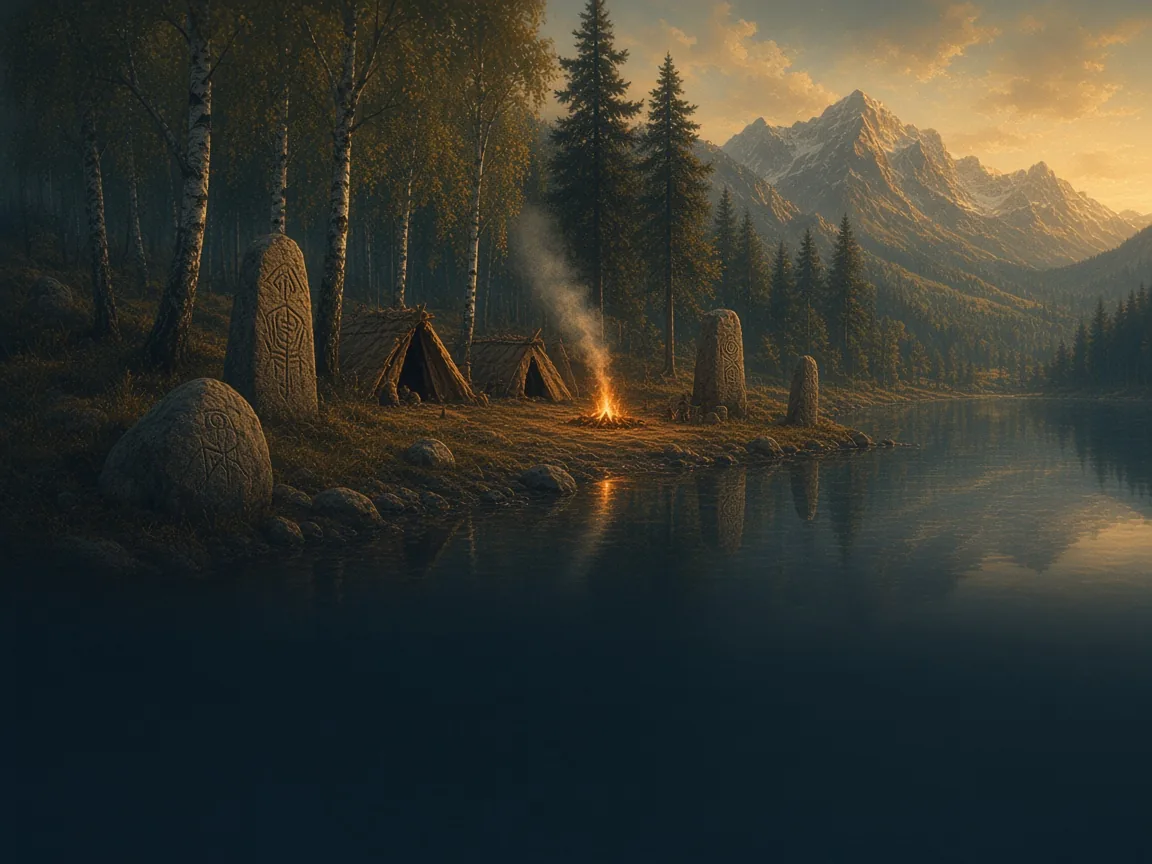
3,500 BCE to 2,200 BCE
Copper Age communities and early metallurgy.
Italy spans multiple ecological zones, from fertile river valleys and uplands to coasts that supported fishing and maritime contact. During the Chalcolithic, communities exploited productive landscapes for farming and herding, while also drawing on locally available stone and mineral resources.
The Chalcolithic in Italy is characterized by the spread of copper working and the gradual emergence of more complex exchange relationships. This period overlaps with wider European shifts toward metal use, new craft specializations, and changing patterns of long-distance contact, though local trajectories differed across regions.
Agriculture remained central, with mixed farming and livestock management supporting stable communities. Settlement patterns often included permanent or semi-permanent villages, where households participated in food production and in craft tasks such as pottery making.
The material signature of the Chalcolithic includes copper artifacts (when preserved), distinctive ceramics, and stone tools that reflect both everyday work and specialized production. Settlement remains and grave contexts (where documented) provide evidence for how communities organized labor and marked identity through stylistic choices in pottery and other durable objects.
Ceramic traditions and craft repertoires suggest that communities maintained shared stylistic conventions while also participating in regional networks. The introduction and use of copper likely changed social dynamics by enabling new forms of display and by encouraging craft specialization and exchange.
The transition from the Chalcolithic to later Early Bronze Age developments involved continued growth in metal use and adjustments in settlement and burial practices. Chalcolithic innovations in craft and exchange helped create the material groundwork for subsequent Bronze Age cultural expressions in different parts of Italy.
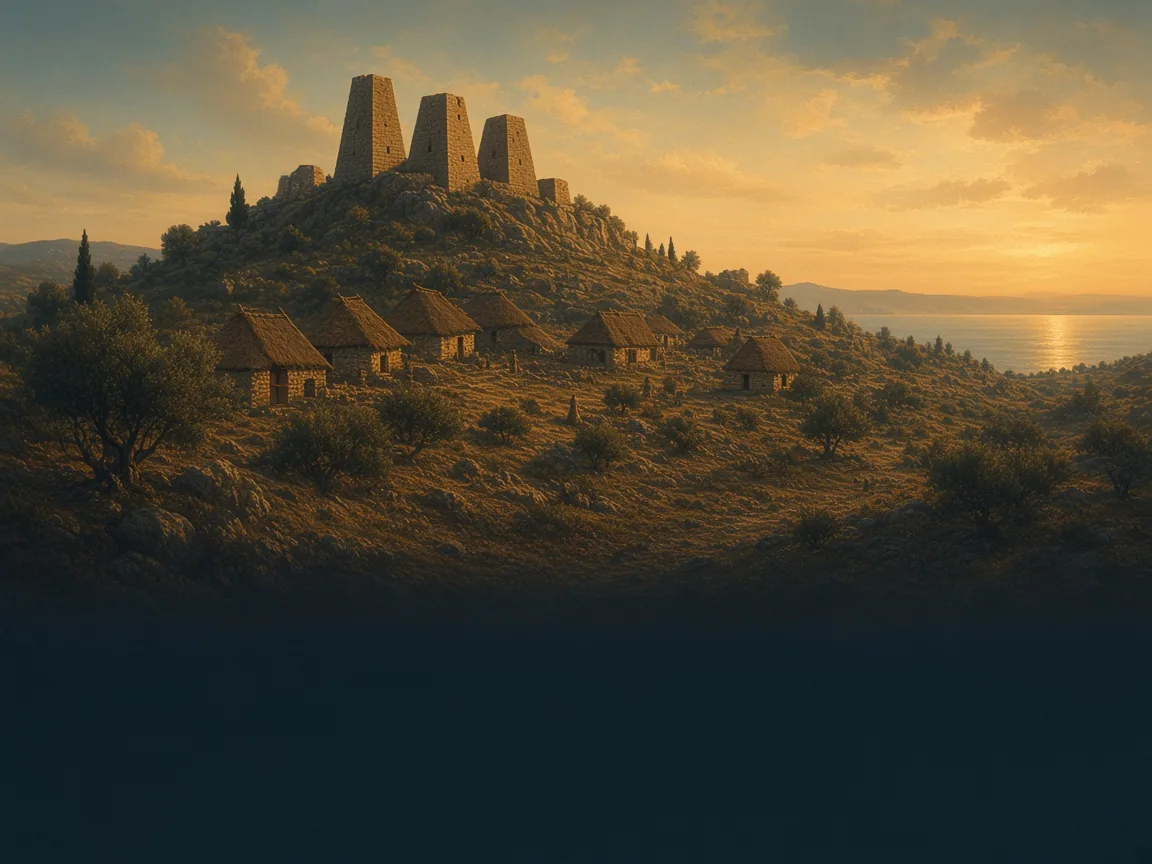
2,200 BCE to 900 BCE
Bronze Age societies across the peninsula.
Bronze Age Italy, particularly during the emergence of the Proto-Italic culture, is a period marked by significant social, technological, and cultural transformation. This era spans approximately between 2300 BCE and 900 BCE, playing a crucial role in laying the groundwork for the later development of Italic peoples and the eventual rise of civilizations such as the Etruscans and Romans.
Bronze Age Italy was not a unified region but a mosaic of cultures and peoples, each with its own unique adaptations to the diverse landscapes ranging from the Alpine regions in the north, through the rolling hills and fertile plains of the Po and Tiber valleys, to the rugged terrains of the Apennine Mountains and the coastal stretches along the Tyrrhenian and Adriatic Seas.
During the Bronze Age, Italy was populated by numerous tribal societies characterized by a clan-based structure. The social organization was primarily hierarchical but fluid, with power concentrated in the hands of warrior elites. As metallurgy advanced, a new class of skilled artisans emerged, greatly affecting social dynamics. Trade networks began to develop, facilitating the diffusion of technology and ideas across regions.
A defining feature of this period was the introduction and refinement of metalworking techniques. Bronze, an alloy of copper and tin, became the material of choice for a wide array of tools, weapons, and ornaments. This metallurgical advancement allowed for improved agricultural tools and more effective weapons, contributing to both economic productivity and martial prowess.
Agriculture was the backbone of Bronze Age societies. The cultivation of cereals such as wheat and barley expanded due to improvements in plowing technology. Animal husbandry also played a vital role, with cattle, sheep, and goats being significant for both economic sustenance and cultural practice.
Bronze Age settlements in Italy varied significantly across regions. In the north, particularly in the Po Valley, the Terramare culture saw the development of fortified villages with moats and palisades. These villages were often laid out in a grid pattern, reflecting a level of urban planning. In central and southern Italy, the Apennine culture favored more scattered settlements, with round huts constructed from wood and thatch.
Trade networks during the Bronze Age were extensive, extending beyond the Italian peninsula and facilitating the exchange of goods such as amber, metals, and pottery. Evidence of trade has been found in the form of Mycenaean pottery, indicating interactions with Aegean civilizations. These networks not only supported economic activity but also fostered cultural and technological exchanges.
Burial practices during this period varied regionally but generally involved inhumation or cremation. Grave goods often accompanied burials, suggesting a belief in an afterlife where material possessions played a role. The presence of elaborate grave goods and burial mounds, or tumuli, indicates the social importance of the deceased and serves as evidence of social stratification.
Religious practices in Bronze Age Italy likely revolved around nature worship and animism, with a pantheon of deities associated with natural elements. Sacred spaces were typically natural sites, though evidence of constructed religious structures is minimal. Rituals and ceremonies often centered around agricultural cycles, fertility, and warfare.
The Bronze Age in Italy represents a formative period that saw the convergence of various cultural influences and the foundation of Italic cultural identity. As these societies navigated technological advancements, increased trade, and evolving social structures, they laid the groundwork for the complex societies that would later emerge in the region. The cultural legacy of this era is evidenced in subsequent Italic and Etruscan civilizations, which borrowed, adapted, and expanded upon the innovations and ideas first cultivated during the Bronze Age.

900 BCE to 750 BCE
Pre-Roman Iron Age peoples.
The Iron Age Roman Republic, a pivotal era in Roman civilization, is traditionally dated from 509 BC, following the overthrow of the Roman monarchy, to 27 BC, when Augustus assumed power, leading to the establishment of the Roman Empire. This period marked significant developments in political structures, military conquests, social organization, and culture in Rome, laying the foundation for its expansion from a small city-state to a formidable republic controlling vast territories.
The Roman Republic's political system was characterized by a complex group of institutions, reflecting a balance of power between different societal classes. The key features of this setup included:
Consuls: The Republic was led by two consuls, elected annually, who shared supreme civil and military authority. This system ensured a check on individual power and facilitated a rotation of leadership.
Senate: Comprising mostly patricians, the Roman Senate held significant influence over foreign and financial policies, providing stability and continuity. Senators served for life, and their decisions often guided the consuls.
Assemblies: The Roman Republic also had several citizen assemblies, which were critical in electing magistrates and passing legislation. This allowed for a measure of democratic participation, though largely dominated by the patrician class.
Tribunes: Established to represent the plebeians, the Tribunes had the power to veto legislative actions and protect plebeian interests, reflecting societal struggles and the eventual political inclusion of different social classes.
The Republic's era witnessed a period of aggressive military expansion, which was instrumental in shaping Rome's power:
Conquest of Italy: The early Republic focused on unifying the Italian Peninsula, subduing local tribes and city-states through alliances and wars, notably against the Etruscans, Samnites, and Greek colonies.
Punic Wars: Rome engaged in a series of conflicts with Carthage, known as the Punic Wars, which were crucial in establishing Rome as a Mediterranean powerhouse. The defeat of Hannibal and later Carthage itself allowed Rome to dominate North Africa, Spain, and other territories.
Hellenistic Conquest: With victories over major Hellenistic kingdoms, notably in Greece and Asia Minor, Rome extended its influence, spreading its control over the Eastern Mediterranean.
The Roman Republic fostered a diverse and evolving societal structure:
Social Classes: Roman society was initially divided into patricians (aristocratic families) and plebeians (commoners). Over time, social mobility increased, and a new class of equestrians emerged, gaining wealth and political influence.
Slavery: Slaves were an integral part of the economy, sourced mainly through conquests, which significantly influenced agricultural and domestic sectors.
Economy: As Rome expanded, it established trade networks, integrating various economies under its dominion. Rome benefited from agricultural surpluses, especially grain from Sicily and North Africa. The annexation of territories brought wealth that funded infrastructure and military needs.
The cultural landscape of the Roman Republic was rich and transformative:
Religion: Roman religion was polytheistic, adopting and adapting gods from conquered regions. The integration of Greek deities and rituals was particularly influential, leading to a synthesis of mythologies.
Architecture and Engineering: Romans excelled in architectural innovations, epitomized by the development of aqueducts, bridges, and roads, which facilitated military and economic activities.
Latin Literature: This era saw the beginnings of Roman literature, with authors such as Plautus and Terence in theater and later poets and historians like Lucretius, Catullus, and Sallust, who contributed to the Latin literary tradition.
Philosophy and Law: Roman engagement with Greek philosophy enriched intellectual life, while advancements in Roman law during this time laid a foundation that would heavily influence Western legal systems.
The Iron Age Roman Republic was a foundational period that shaped the trajectory of Rome and had lasting impacts on Western civilization. Through a blend of political, military, and cultural transformations, the Republic laid the groundwork for the subsequent Roman Empire, which would further expand Rome’s legacy.
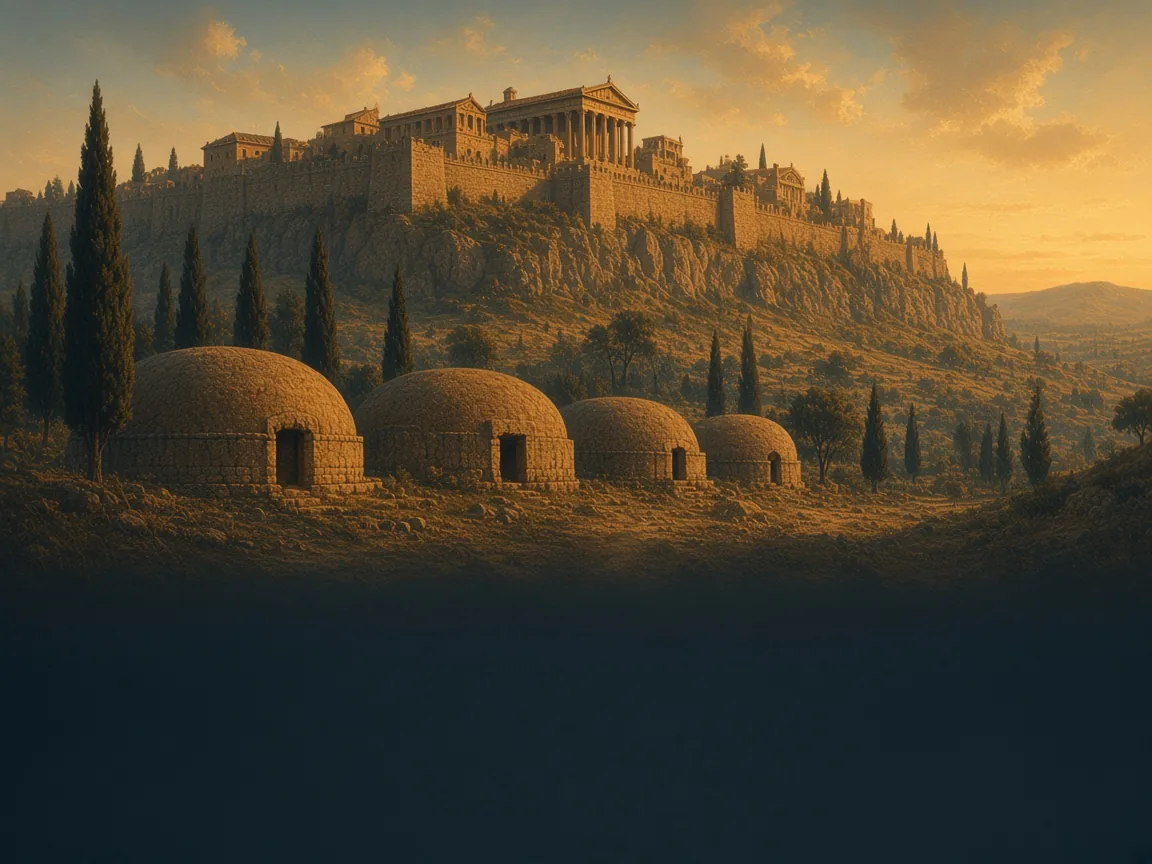
750 BCE to 27 BCE
Etruscan city-states and culture.
The Etruscans were an ancient civilization that flourished in Italy, primarily in the region that is now modern-day Tuscany, western Umbria, and northern Lazio, prominently including the city of Viterbo. This civilization thrived from approximately the 8th to the 3rd century BCE, preceding and influencing the Roman Empire in its nascent stages.
The origins of the Etruscans are somewhat enigmatic and have been the subject of much scholarly debate. Some historical sources, such as the Greek historian Herodotus, suggest that the Etruscans emigrated from Lydia in Asia Minor, while others propose indigenous development in Italy. Contemporary archaeological and genetic studies indicate a complex interplay of local and external elements that gave rise to this distinctive culture.
Cultural influences from the Greeks and Phoenicians significantly shaped Etruscan society. They adopted aspects of Greek art, religion, and alphabets, yet synthesized them into unique expressions of Etruscan cultural identity.
Etruscan society was organized into a loose confederation of city-states, similar to the Greek model, with each city (known as \lucumonies") governed by a king, initially, and later by oligarchic councils as their societies advanced. Key cities included Tarquinia, Cerveteri, Vulci, and notably, Viterbo. Viterbo was part of what was known as Etruria, the region encompassing the core of their civilization.
Etruscan society was hierarchical, with a significant emphasis on aristocracy. The social structure was complex, featuring nobility, commoners, and likely slaves. Families, or "gentes," which held significant power, were critical to the political and social framework.
The economy of the Etruscans was robust and heavily interconnected through trade. The mineral-rich regions they inhabited fueled their economy, with iron, copper, and tin being prominent exports. The Etruscans excelled in metallurgy, producing exquisite bronze work and jewelry that are still admired today.
Their strategic position on the Mediterranean facilitated extensive trade networks with the Greeks, Phoenicians, and other Italic peoples. The Etruscans were also skilled in agricultural practices, cultivating grains, olives, and grapes, underpinning both local subsistence and trade.
Etruscan religion was polytheistic, heavily influenced by Greek deities, yet maintaining unique characteristics. They believed in a complex pantheon of gods and goddesses, and practices were deeply intertwined with interpretations of omens and the will of the gods. The discipline of divination, particularly through the reading of animal entrails (haruspicy) and the interpretation of lightning (augury), was integral to their spiritual and daily life.
The Etruscans placed great emphasis on funerary practices, believing in an afterlife where the dead needed to be properly prepared and equipped. This is evidenced by the elaborate tombs and necropolises, such as those found near Tarquinia and Cerveteri. These burial sites reveal a wealth of frescoes and artifacts, providing insight into Etruscan beliefs, social practices, and artistry.
Etruscan art is characterized by its vibrant, dynamic nature, often depicting themes of daily life, mythology, and the afterlife. Tomb paintings and urns feature scenes of banquets, athletic competitions, and religious ceremonies. Sculpture, particularly in bronze and terracotta, was highly developed, with the Chimera of Arezzo and the Sarcophagus of the Spouses being notable examples.
In architecture, the Etruscans made significant contributions that would later influence Roman building techniques. They were adept builders of roads and bridges and were among the first to employ the arch in construction. Etruscan temples, with their high podiums and deep, columned porches, are considered an evolutionary step towards Roman temples.
The decline of the Etruscan civilization began in the 4th century BCE as a result of external pressures from expanding Roman power and internal socio-political conflicts. By the end of the 3rd century BCE, most of Etruria had been subsumed into the Roman Republic.
Despite their decline, the Etruscans left a profound legacy on Roman culture, particularly in areas such as religion, architecture, and governance. Many aspects of Etruscan culture were absorbed and adapted by the Romans, contributing significantly to the development of the Roman Empire.
Today, the legacy of the Etruscans endures through archaeological discoveries and ongoing research, continuing to provide invaluable insights into this fascinating civilization that played a crucial role in the history of Classical Antiquity."
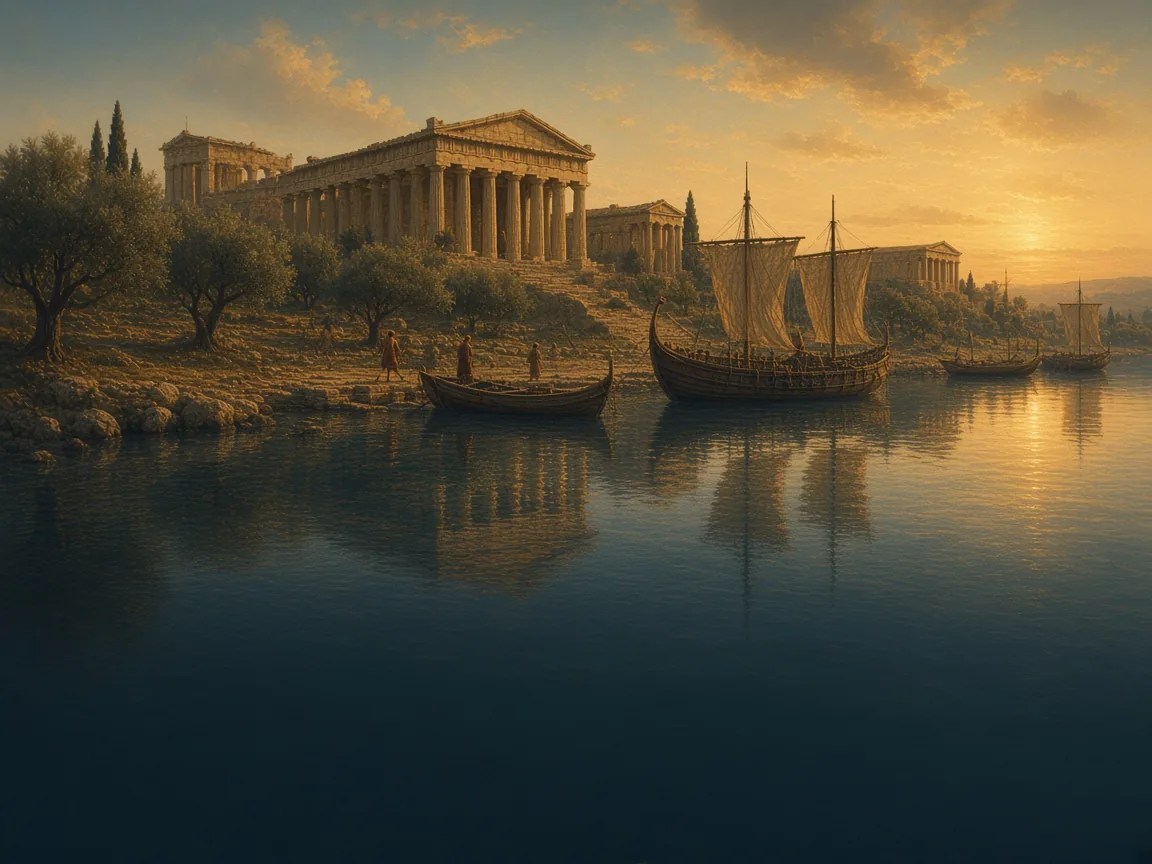
750 BCE to 146 BCE
Greek settlements of Magna Graecia.
Sicily’s northern coast offered access to maritime routes and fertile agricultural lands in upland and valley areas. Coastal harbors supported seaborne exchange, while inland zones provided resources for food production and settlement support.
Himera formed part of the Greek colonial network in western Sicily during the Archaic and early Classical periods. This era was marked by ongoing rivalry and shifting alliances among Mediterranean powers, with colonies managing relationships with surrounding peoples and regional actors.
Himera’s population included Greek colonists and other local communities, producing a mixed social landscape. Economic life likely combined grain production and other farm outputs with crafts and trade, supported by the city’s role in maritime networks. Daily lifeways are inferred through domestic remains, burial evidence, and finds related to consumption.
Archaeological visibility for Greek colonial contexts often includes distinctive ceramics, architectural remains, and objects associated with everyday life and public activities. Imported goods and locally produced items may both appear, reflecting connectivity across the Mediterranean. Coinage and inscriptions, where preserved, can provide additional chronological anchors and insights into civic organization.
Greek colonial society at Himera involved civic institutions, religious practices, and material expressions typical of Classical Greek communities. At the same time, the island setting encouraged ongoing cultural contact with neighboring groups, which can be reflected in patterns of material exchange and variation in assemblages.
By the later 5th century BCE, the political environment of Sicily remained highly dynamic, and colonial communities faced changing pressures. The Classical Greek presence at Himera left a durable cultural and architectural legacy, contributing to later historical trajectories on the island as new powers and identities emerged.
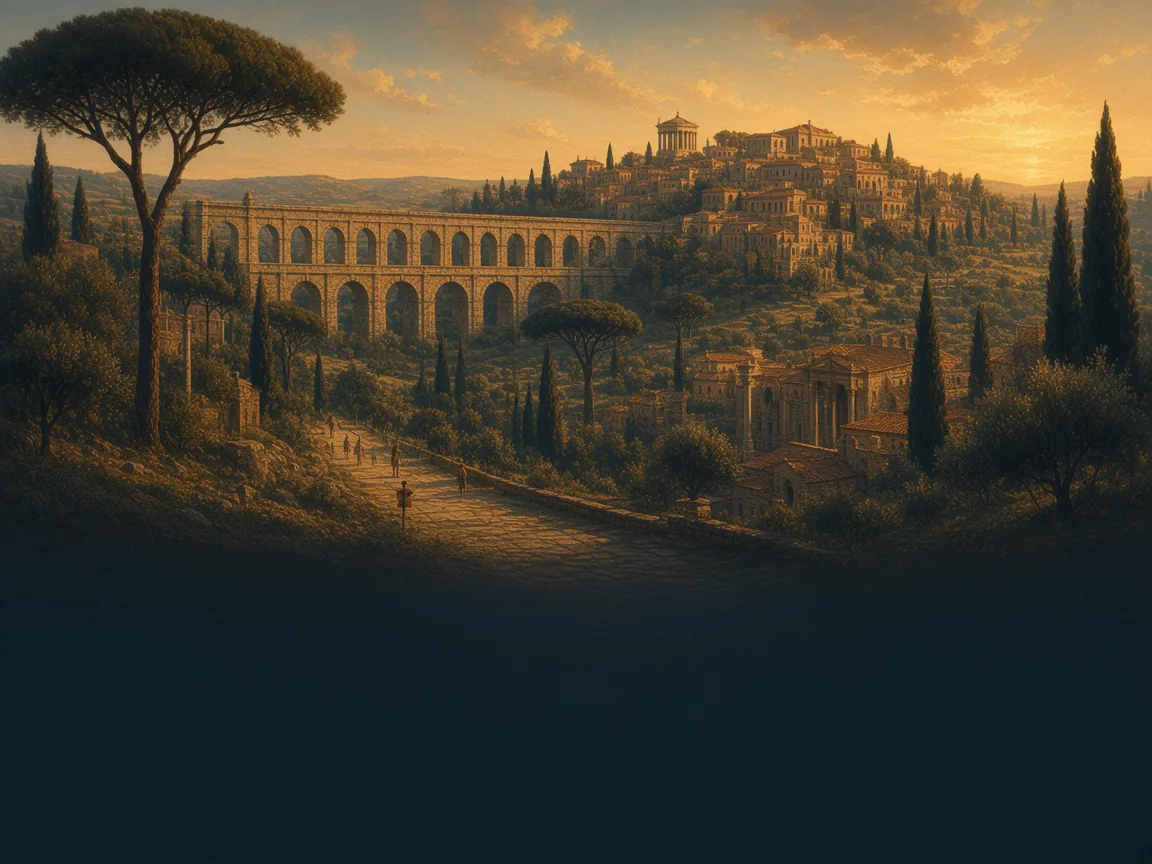
27 BCE to 476 CE
Roman Republican and Imperial Italy.
The period from 100 BCE to 300 CE marks a transformative era in Roman history, characterized by significant cultural, political, and social developments within the Roman Republic and the early Roman Empire. This era, often referred to as the transition from the late Republic to the Imperial period, is distinguished by events that reshaped Rome and left a lasting legacy on the broader Mediterranean world.
Late Republic (100 BCE - 27 BCE):
Early Empire (27 BCE - 300 CE):
Art and Architecture:
Literature and Philosophy:
Religion:
Society and Class Structure:
Economy:
Urbanization and Infrastructure:
This era, a pivotal bridge between the Roman Republic and Empire, laid foundations that influenced subsequent European civilizations, with its legacy enduring through its legal systems, languages, architectural styles, and more.
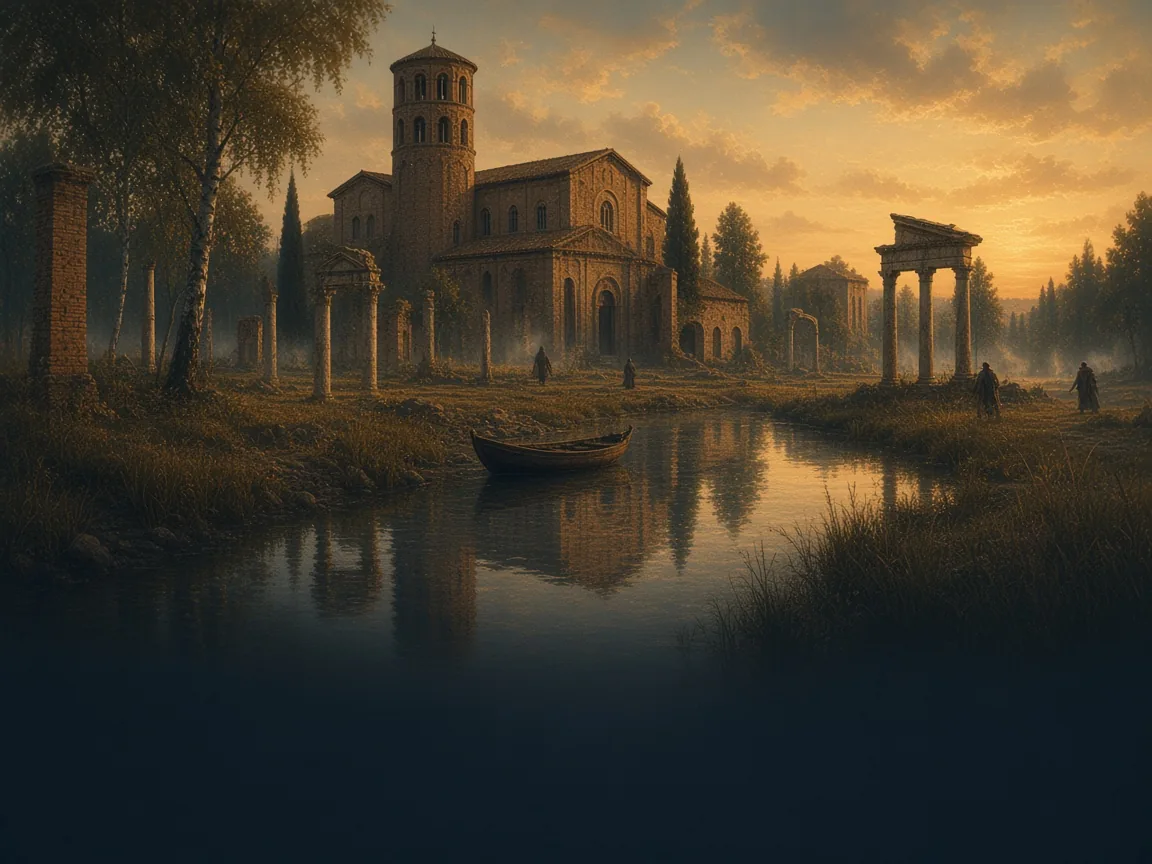
476 CE to 600 CE
Late Roman and early post-Roman Italy.
Sardinia’s Mediterranean environment continued to support agriculture, herding, and coastal connectivity. Maritime routes linking the island with other Mediterranean centers remained important, especially for moving people, goods, and ideas.
Between 300 and 500 CE, Sardinia falls within Late Antiquity, a period defined by political reorganization, shifts in imperial administration, and changing economic patterns across the Roman world. The archaeological signature is often best understood as “Roman provincial” in character, reflecting long-standing Roman presence and later adaptations.
Populations likely continued mixed subsistence strategies, combining farming and animal husbandry with access to coastal resources. People also participated in regional economies connected to Roman infrastructure and markets, though the precise scale and distribution of prosperity varied by locality and over time.
Late Antique material culture in Sardinia commonly includes ceramics and building materials that reflect Roman provincial traditions. The evidence used to date the period can include coin finds, architectural features, and ceramic typologies, where preserved. Household and community contexts demonstrate how durable Roman forms persisted while local practices adapted to changing circumstances.
Cultural life during Late Antiquity likely involved a mixture of long-established Roman norms and local continuities. Differences in site preservation and the uneven availability of diagnostic finds mean that social organization is best described at a general level: communities were connected to broader imperial systems while retaining local forms of everyday material expression.
The end of Late Antiquity in Sardinia sets up later transitions into the medieval period, when political structures and material repertoires change further. The Late Antique phase is a key bridge: it preserves Roman provincial lifeways and infrastructures that could persist for generations even as authority and broader Mediterranean conditions shifted.
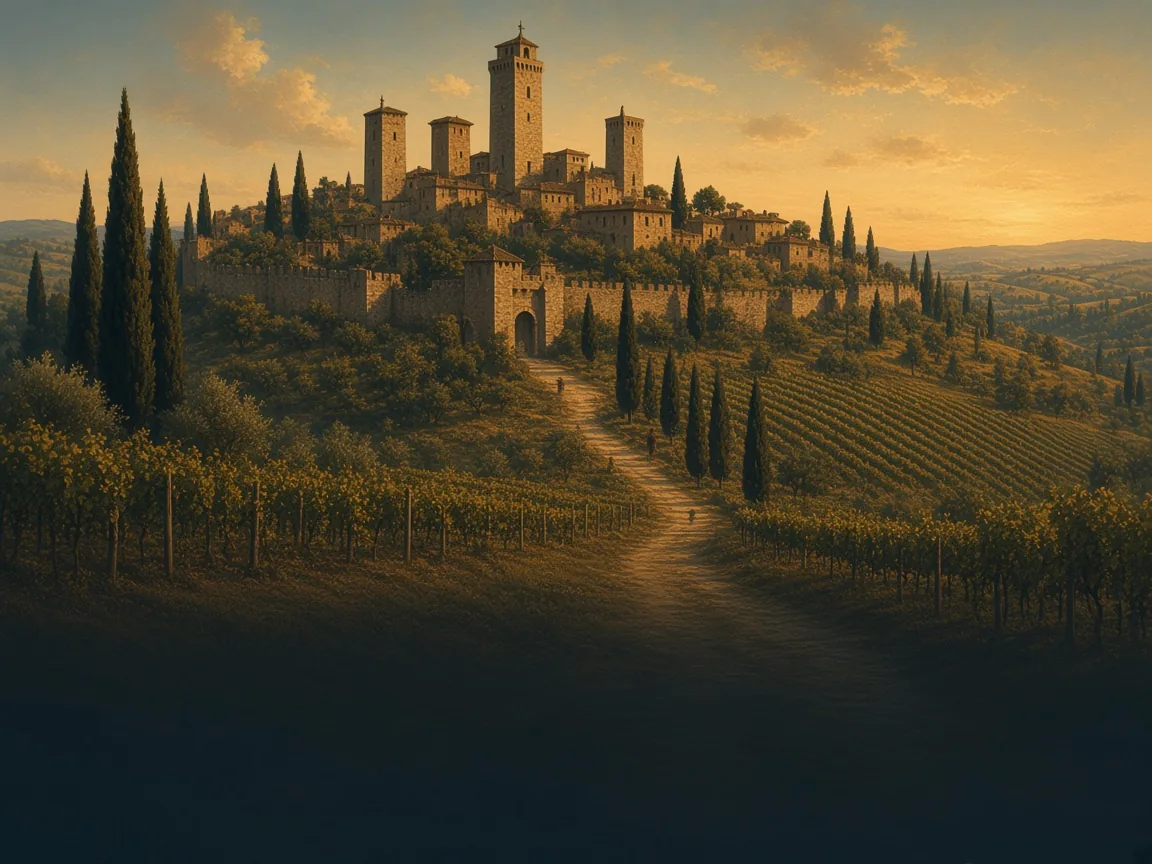
600 CE to 1,500 CE
Medieval Italian communities.
Viterbo and the broader Lazio region sit in central Italy, with volcanic landscapes, hills, and access to routes that linked inland areas to coastal ports. Such geography supported agriculture, movement of people and goods, and the establishment of settlements suited to both defensible terrain and productive land.
The early medieval centuries in Italy were marked by transformation following the decline of western Roman institutions and by continued involvement of Mediterranean powers, including Byzantine influence in parts of the peninsula. Within this changing political and economic environment, local communities reorganized livelihoods and built new patterns of everyday life.
People in the period generally lived through a combination of subsistence agriculture, craft work, and participation in regional exchange when opportunities existed. Settlement life in central Italy would have depended on local land use, control of movement corridors, and household production for daily needs.
Archaeological evidence for early medieval sites commonly includes pottery assemblages, building remains, and small portable objects that illustrate domestic organization and craft practices. Material culture in Lazio can show both continuities with late Roman traditions and changes in forms and manufacturing techniques, reflecting shifting supply networks and local production.
The early medieval social world in central Italy is often best approached through evidence of local institutions and daily practice rather than through single, uniform cultural models. Byzantine political or cultural influence in some areas could be indirect, expressed through administrative ties, imported goods, or stylistic connections visible in certain artifact categories.
Between 500 and 1000 CE, settlement patterns and material traditions increasingly diverged from late Roman models. These changes contributed to the evolving medieval landscape that later centuries would reshape further, with new political structures and regional identities emerging across central Italy.
Your results show similarity to reference populations across several periods of the Italian Peninsula's past, with the strongest similarity in the Late Antique period. This pattern reflects how later populations mixed with and partly replaced earlier ones. It describes statistical similarity between your DNA and ancient reference samples from each period, not a record of your personal ancestors or family tree, and as with all genetic research there is still much we do not know.