Hallstatt
800 BCE to 450 BCE
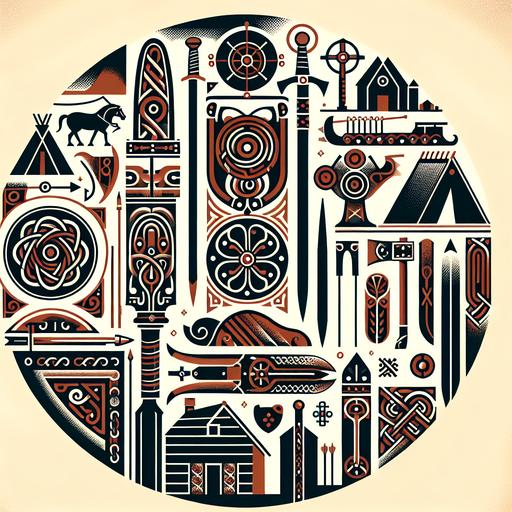
Early Iron Age Hallstatt reference samples.
Explore this period
The Hallstatt Culture, named after the site of Hallstatt in modern-day Austria, is an early Iron Age cultural and archaeological phenomenon that spread across much of Europe, including the Czech Republic region. This culture is dated roughly from 800 to 450 BCE, a period that witnessed significant technological, social, and economic transformations across Central Europe.
Geographic and Cultural Overview
The Hallstatt Culture in the Czech Republic is part of the broader Hallstatt Cultural sphere that stretched across present-day Austria, Germany, Switzerland, and into parts of France and the Czech lands. In the Czech Republic, the influence of the Hallstatt Culture is evident particularly in Bohemia and Moravia. These regions were strategically located, benefiting from trade routes that fostered interactions with both the Mediterranean world to the south and the northern European tribes.
Key Features of Hallstatt Culture
Social Structure and Settlements:
- Hierarchy: The Hallstatt Culture is noted for its stratified society with an emerging aristocracy. The presence of opulent graves, often marked by burial mounds (tumuli), indicate the existence of a warrior elite or chieftains.
- Settlements: Typically, people lived in fortified settlements or villages. Some of these settlements developed into proto-urban centers which functioned as hubs for trade and craftsmanship.
Economy and Trade:
- The economy was predominantly agrarian, relying on mixed farming practices with evidence of animal husbandry and cereal cultivation.
- The Hallstatt period is marked by extensive trade networks. Iron goods, salt, amber, and luxury items such as jewelry were integral trade commodities, reflecting both local craftsmanship and imported influences, often from Etruscan and Greek cultures.
Metallurgy:
- Hallstatt Culture is particularly noted for advancements in ironworking, which allowed the production of more durable and effective tools and weapons.
- The ability to smelt iron and produce high-quality tools and weapons greatly influenced social dynamics and warfare practices.
Funerary Practices and Art:
- Burials in this culture are quite elaborate, with some graves containing wagons, weapons, ornaments, and imported goods indicating status and wealth.
- Artistic expression can be seen in decorated pottery, metalwork (especially weapons and jewelry), and textiles. The motifs often include geometric patterns, and there is evidence of early Celtic artistic influences.
Language and Ethnicity:
- The Hallstatt Culture is often considered a precursor to, or part of, the early Celtic cultural and linguistic expansion across Europe. The people of this culture likely spoke a Proto-Celtic language or dialects closely related to Celtic languages.
Rituals and Beliefs:
- While detailed accounts of their religion are scarce, it is likely that Hallstatt people practiced a form of nature worship, possibly with a pantheon of deities similar to later Celtic beliefs.
- Archaeological finds including ritual deposits, suggest ceremonies or offerings were made, possibly indicating a belief in an afterlife or in appeasing spirits.
Archaeological Evidence in the Czech Republic
In the Czech Republic, the archaeological evidence of the Hallstatt Culture includes burial sites with kurgans, settlements with distinctive Hallstatt-style architecture, and artifacts such as pottery, metal tools, and weapons. Notable sites include those around the areas of Kutná Hora and Prague, where significant Hallstatt-period graves and settlements have been explored.
Influence and Legacy
The Hallstatt Culture set the stage for the later La Tène Culture, which is more distinctly associated with the Celtic populations of Europe. The innovations in social structures, metallurgy, and trade that began in the Hallstatt period continued to evolve and influence the subsequent cultural developments across Europe. For the Czech regions, the Hallstatt Culture represents a formative period that underpinned later historical identities and societal structures.
Overall, the Hallstatt Culture in the Czech Republic exemplifies a complex interplay of indigenous development and external influences, a hallmark of the dynamic cultural landscape of early Iron Age Europe.