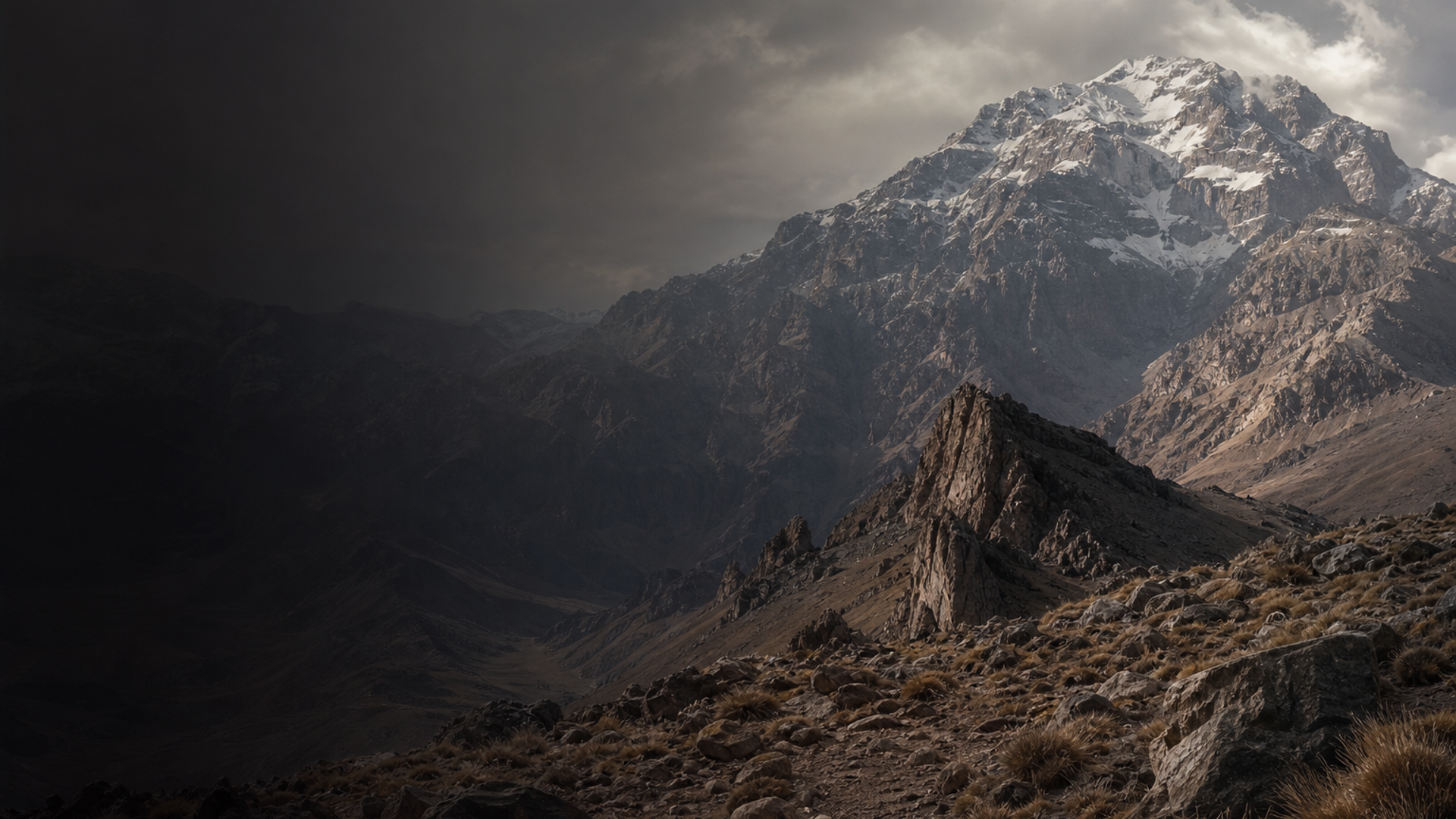
Life in the Aconcagua highlands would have been lived at sharp atmospheric edges: thin air, seasonal decisiveness, and economic ties spanning vertical ecological zones. Archaeobotanical and zooarchaeological research across the southern Andean slopes indicates mixed economies — irrigated valley agriculture, high-altitude herding of camelids, and exchange of coastal products and Andean specialties. Archaeological data indicates storage structures, trail segments, and portable goods in nearby valleys that support a picture of logistical hubs rather than dense urban centers.
Socially, frontier communities often served as intermediaries — providing llama caravans, labor, and local knowledge to imperial administrators while retaining kinship networks and ritual practices. Limited evidence suggests high-mountain ritual use across the Andes, and it is plausible that peaks such as Aconcagua played ceremonial roles for local inhabitants and visiting officials alike. Craft practices, textile styles, and pottery found regionally hint at both local traditions and Inca-inspired forms; the material culture record points to negotiation rather than wholesale replacement.
Because the genetic dataset here is a single individual, these reconstructions of daily life must remain tentative and focused on broader regional patterns rather than claims about an individual’s specific role or status.