Menu
Store
Blog
Argentina_Aconcagua_Inca_500BP Cerro Aconcagua, Mendoza Province, Argentina

Aconcagua Inca: Cerro Aconcagua, 500 BP

A solitary ancient genome from the wind‑scoured slopes of Aconcagua hints at imperial reach and local roots.

1400 CE - 1500 CE
1 Ancient Samples
Scroll to begin
Chapter I

The Story

Understanding the Aconcagua Inca: Cerro Aconcagua, 500 BP culture

Archaeogenetic and archaeological evidence from Cerro Aconcagua (Mendoza Province, Argentina) dated to 1400–1500 CE links a single individual to Inca-era dynamics. Limited DNA (Y: Q, mt: C1b) supports Indigenous Andean ancestry; conclusions remain preliminary due to n=1.

Time Period

1400–1500 CE (Late Horizon)

Region

Cerro Aconcagua, Mendoza Province, Argentina

Common Y-DNA

Q (observed: 1)

Common mtDNA

C1b (observed: 1)

Chapter II

Timeline

Key moments in the history of this culture

1400 CE

Late Horizon activity at Cerro Aconcagua

Archaeological and genetic data indicate human presence and Inca‑era influence in the Mendoza highlands around 1400–1500 CE; interpretations remain preliminary due to a single sampled genome.

Chapter III

Origins & Emergence

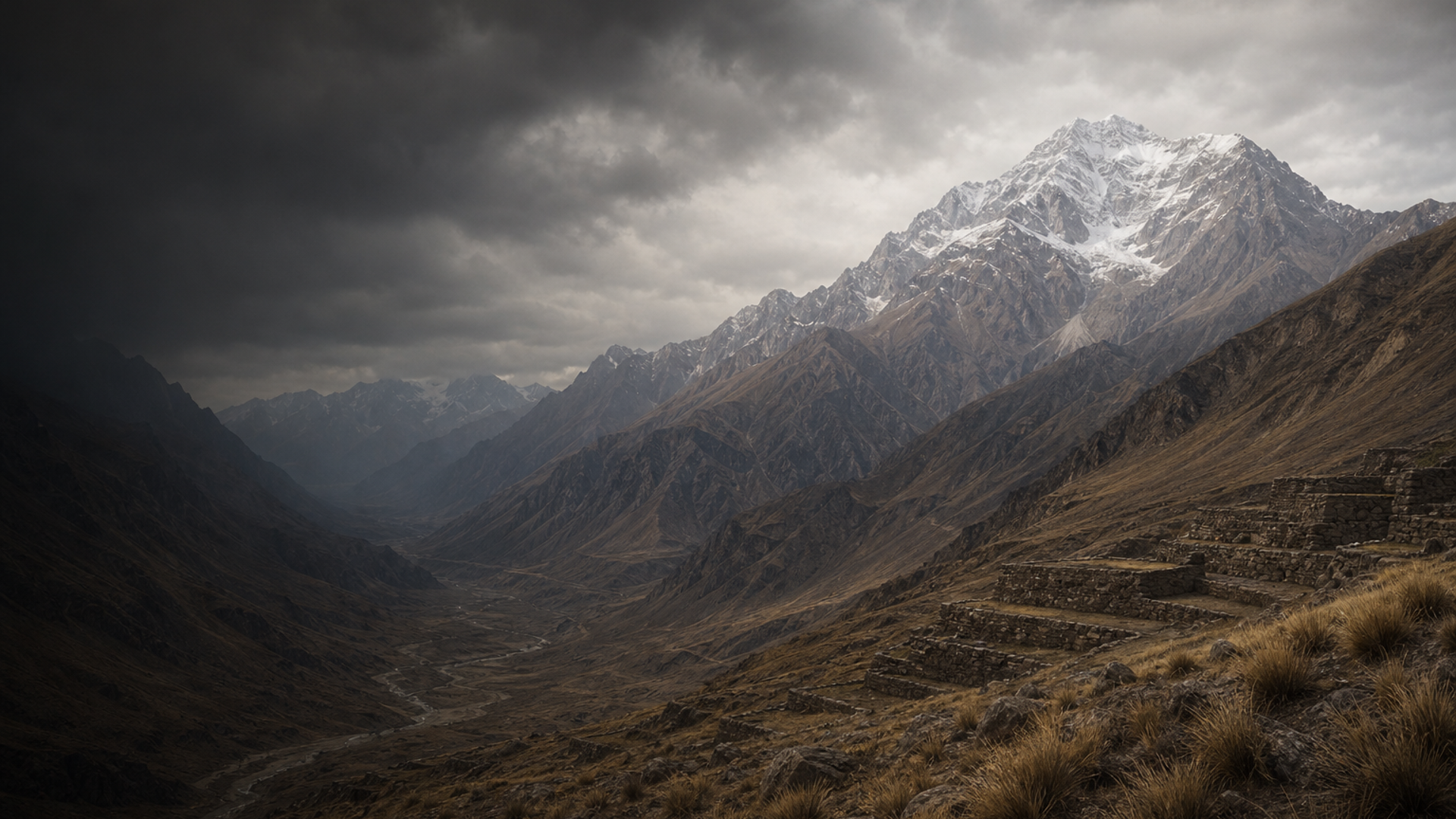
On the wind‑torn ridges above the Mendoza valley, the stones of Cerro Aconcagua preserve a quiet chapter of Andean contact. Archaeological data indicates activity at the site during the Late Horizon (ca. 1400–1500 CE), a period associated with the southward expansion of the Inca state and intensified exchange across highland corridors. Material traces in the region—ceramic styles, road fragments and ephemeral stone constructions—suggest administrative or logistical uses that align with Inca imperial strategies for controlling resources and movement.

Limited evidence suggests this locale functioned as a peripheral node rather than a large settlement hub: small architecture and surface finds are consistent with temporary camps, tambos (waystations), or local Aconcagua communities incorporating Inca elements. The single genetic sample from Cerro Aconcagua must be read against this archaeological backdrop: the remains date to the same century as known Inca influence in western Argentina but do not by themselves define the nature or intensity of imperial presence.

Archaeologists emphasize that landscape use here was layered—preexisting Aconcagua cultural traditions met new administrative patterns introduced during the Late Horizon. Further excavations, radiocarbon dates and larger DNA series are essential to clarify whether the site records colonists, local elites adopting Inca practices, or mobile groups tied to imperial logistics.

  • Late Horizon activity ca. 1400–1500 CE on Cerro Aconcagua
  • Archaeological indicators suggest temporary or administrative use
  • Evidence points to interaction between local Aconcagua traditions and Inca influence
Chapter IV

Daily Life & Society

Between glaciers and dry mountain valleys, everyday life at high altitude balanced mobility and resource control. Archaeological remains from the Mendoza highlands show pastoral strategies (herding of camelids such as llamas and alpacas), storage architecture for redistributed goods, and distinctive ceramic and textile forms that reflect both local craft traditions and broader Andean exchange networks. Textiles and small portable objects, when recovered, often survive as the most direct testimony of material life in these settings.

If Cerro Aconcagua functioned as a tambo or staging point, daily activities would have centered on provisioning travelers, exchanging goods, and maintaining lines of communication. Stone markers and short sections of path documented regionally fit a landscape designed for movement along altitudinal routes. Yet much of this picture rests on regional analogies: specific domestic structures and household assemblages at Cerro Aconcagua remain limited in the published record.

Human lives here were shaped by altitude, seasonal weather and imperial demands. The silhouette of a pastoralist tending llamas or the careful repair of a woven bag speaks to the practical intimacy of mountain existence—an intimacy that archaeology can glimpse but rarely fully reconstruct without broader, denser datasets.

  • Economy likely centered on camelid herding and logistical provisioning
  • Material culture shows mix of local Aconcagua and broader Andean influences
Chapter V

Genetic Profile

The genetic evidence from Cerro Aconcagua is compelling but extremely limited: one individual dated to 1400–1500 CE yielded a paternal haplogroup Q and a maternal haplogroup C1b. Both lineages are widely observed among Indigenous peoples across the Americas and are consistent with longstanding Andean ancestry rather than clear evidence of outsiders. Haplogroup Q on the Y chromosome represents a major Native American paternal lineage; mtDNA C1b is likewise a common maternal clade in South America.
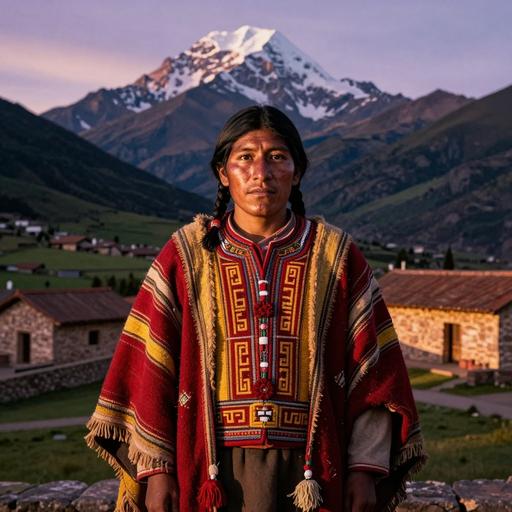

Archaeological expectation of Indigenous Andean ancestry in this region is therefore supported by the genetic results, but critical caveats apply. With n = 1, population‑level inferences—such as the degree of gene flow from imperial colonists, the presence of foreign male lineages, or the scale of demographic change—are preliminary at best. Ancient DNA here can show affinity to broader Andean genetic profiles but cannot resolve whether the individual was a local Aconcagua resident, an Inca administrator, or a mobile person attached to imperial networks.

Future work that increases sample size, pairs genomic data with isotopic analysis (to test mobility and diet), and integrates fine‑scale archaeological context will be necessary to move from plausible scenarios to robust reconstructions of population dynamics during the Late Horizon.

  • Observed Y‑DNA: Q — common Native American paternal lineage
  • Observed mtDNA: C1b — common South American maternal lineage; conclusions are preliminary due to n=1
Chapter VI

Legacy & Modern Connections

The living landscapes around Aconcagua hold echoes of these late pre‑colonial encounters. Modern communities of Mendoza and the wider southern Andes carry cultural memories and biological lineages that likely reflect centuries of local continuity and mobility. Archaeogenetic data from Cerro Aconcagua hints at ancestry patterns that align with broader Indigenous Andean populations, suggesting threads of genetic continuity across time.

However, the legacy must be framed cautiously: one ancient genome cannot map the full tapestry of descent. What this individual does offer is a touchstone for dialogue between archaeology and modern genetic studies—an entry point for exploring how imperial expansion, local resilience and highland lifeways shaped the peoples of western Argentina. Expanded sampling, respectful collaboration with descendant communities, and multi‑disciplinary study will be required to illuminate the deeper currents connecting the past to present populations.

  • Genetic evidence suggests continuity with broader Andean Indigenous lineages
  • Broader conclusions await larger sample sets and community‑engaged research
Chapter VII

Sample Catalog

1 ancient DNA samples associated with the Aconcagua Inca: Cerro Aconcagua, 500 BP culture

Ancient DNA samples from this era, providing genetic insights into the people who lived during this period.

1 / 1 samples
Portrait Sample Country Era Date Culture Sex Y-DNA mtDNA
Portrait of ancient individual Aconcagua from Argentina, dated 1400 CE
Aconcagua
Argentina Argentina_Aconcagua_Inca_500BP 1400 CE Inca Civilization M Q-M3 C1b
AI Powered

AI Assistant

Ask questions about the Aconcagua Inca: Cerro Aconcagua, 500 BP culture

AI Assistant by DNAGENICS

Unlock this feature
Ask questions about the Aconcagua Inca: Cerro Aconcagua, 500 BP culture. Our AI assistant can explain genetic findings, historical context, archaeological evidence, and modern connections.
Sample AI Analysis

The Aconcagua Inca: Cerro Aconcagua, 500 BP culture represents a fascinating chapter in human history...

Genetic analysis reveals connections to earlier populations while showing evidence of unique adaptations and cultural innovations. The ancient DNA samples provide insights into migration patterns, social structures, and the biological relationships between ancient populations.

This is a preview of the AI analysis. Unlock the full AI Assistant to explore detailed insights about:

  • Genetic composition and ancestry
  • Migration patterns and origins
  • Daily life and cultural practices
  • Modern genetic legacy
Use code for 30% off Expires May 20