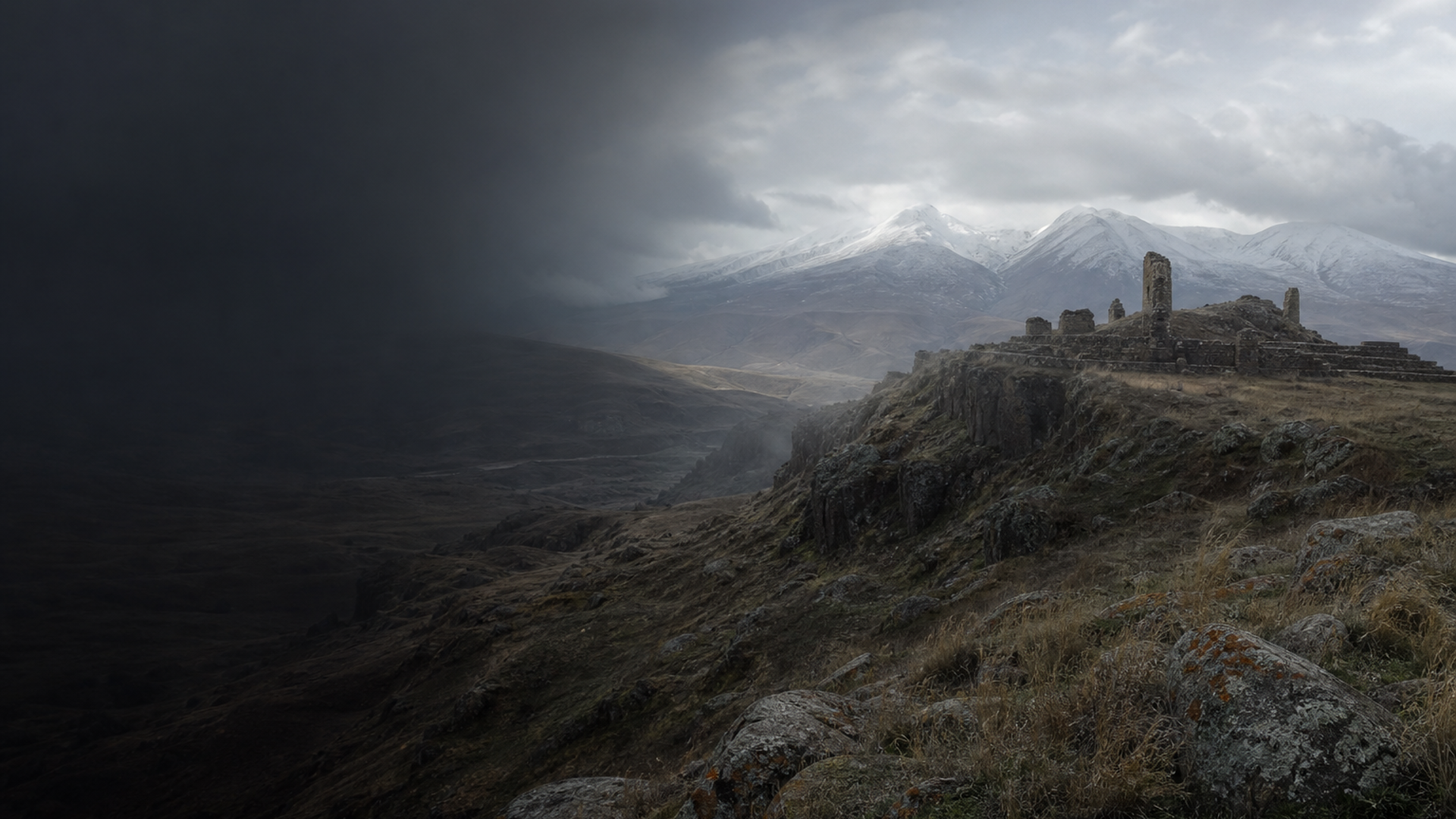
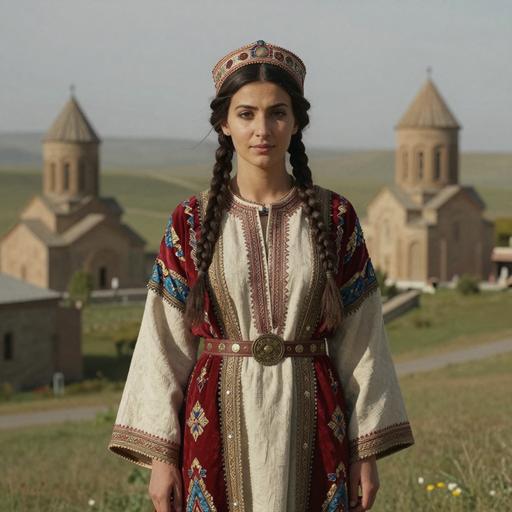
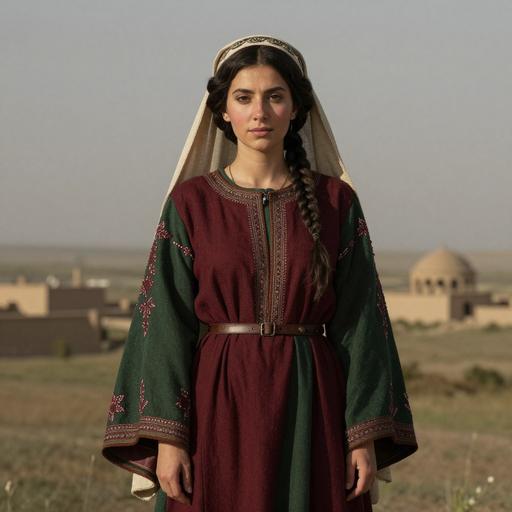
Imagine a courtyard garden beside mudbrick walls, the smoke of hearths rising over terraced fields — such evocative scenes are reconstructed from the durable traces left in soil and pottery fragments. Archaeological indicators from Early Medieval Armenia suggest a mixed agrarian economy: cereal cultivation, pastoralism, and craft production connected villages to nearby market towns. Funerary practices at Agarak, as preserved in burials and associated grave goods, reflect social identities expressed through burial position, clothing accessories and occasionally imported objects, although the small excavation sample limits broad generalizations.
Seasonal rhythms and social networks likely structured life: kinship ties linked households, while long-distance contacts — merchants, pilgrims, or military movements — could intermittently reshape material culture. Environmental factors, such as mountain microclimates and water availability, influenced settlement patterns and mobility. Archaeology can reconstruct aspects of everyday practice, but when tied to genetics, even modest datasets provide a more intimate picture: maternal lineages recorded in mtDNA speak directly to family histories, migration events, and patterns of female mobility that are otherwise invisible in pottery sherds alone.