Menu
Store
Blog
Russia_Karasuk Kazakhstan, southern Russia (Eurasian Steppe)

Andronovo: Horse, Bronze, and Steppe Echoes

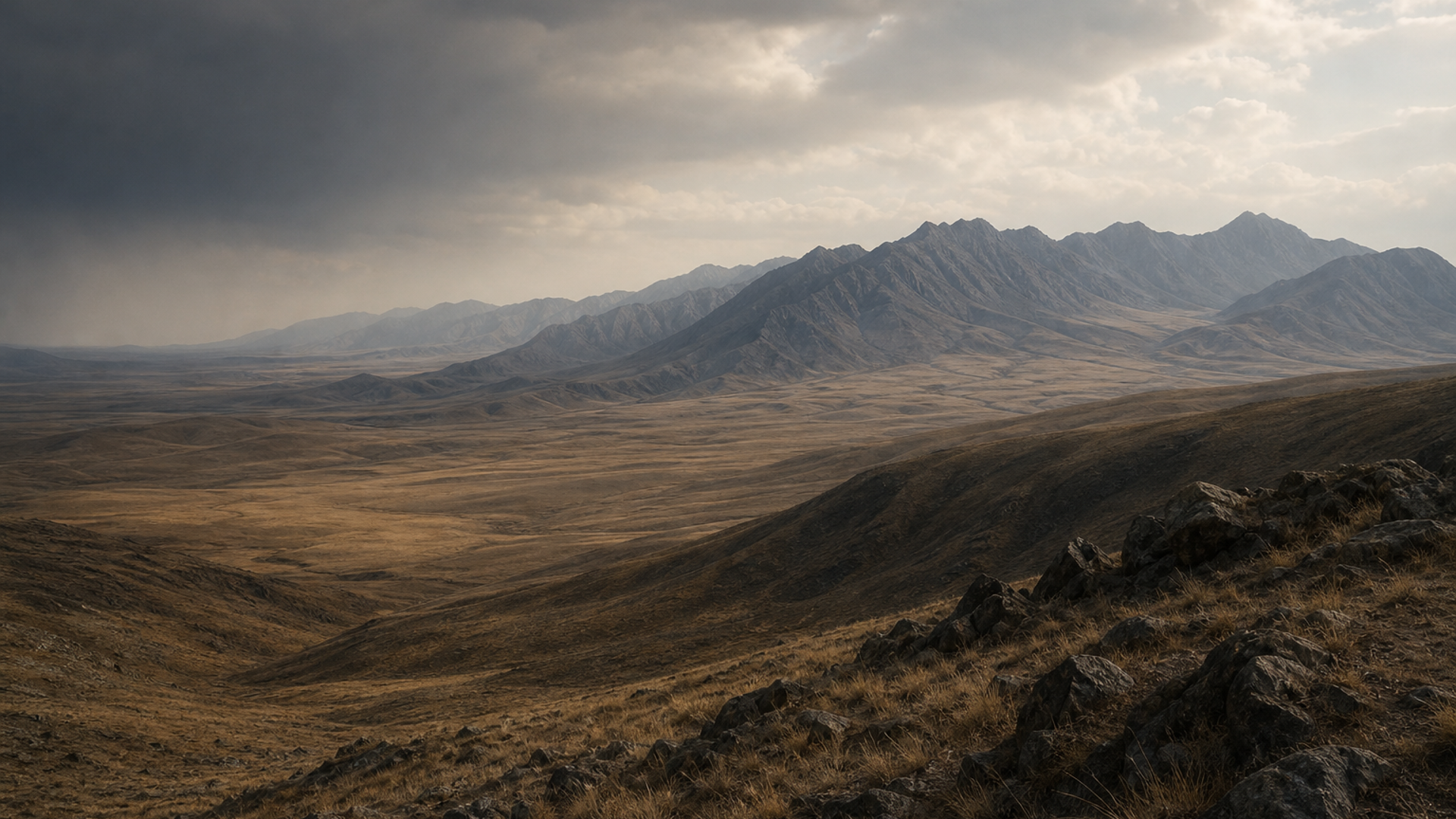
A sweeping Bronze Age horizon across the Kazakh steppe, seen through archaeology and ancient DNA

3315 CE - 207 BCE
9 Ancient Samples
Scroll to begin
Chapter I

The Story

Understanding the Andronovo: Horse, Bronze, and Steppe Echoes culture

The Andronovo cultural horizon (ca. 3315–207 BCE) spans Bronze Age Kazakhstan and adjacent Russia. Archaeological sites and 93 genome samples reveal steppe pastoral lifeways, metallurgy, and a genetic profile dominated by Y-chromosome R and mtDNA U lineages—linking material culture to population movements across Eurasia.

Time Period

3315–207 BCE (Bronze Age)

Region

Kazakhstan, southern Russia (Eurasian Steppe)

Common Y-DNA

R (dominant), Q, N, P, F

Common mtDNA

U (most frequent), T, J, H, D
Chapter II

Timeline

Key moments in the history of this culture

2500 BCE

Andronovo cultural florescence

By ca. 2500 BCE Andronovo-related communities were widespread across Kazakhstan and adjacent steppe, characterized by pastoral economies, kurgan burials, and expanding metalwork traditions.

Chapter III

Origins & Emergence

The Andronovo horizon crystallized on the western Siberian–Kazakh steppe in the Middle to Late Bronze Age. Archaeological sequences at key sites — including Tasbas, Shoendykol, Zevakinskiy stone fence, Dali and Chanchar — show evolving pastoral economies, wheeled transport, kurgan burials, and bronze metallurgy from roughly 3300 to 1000 BCE, with our dataset spanning 3315–207 BCE. Material traits attributed to Andronovo, such as chariot-related gear, horse harness elements, and distinctive pottery and burial rites, suggest networks of mobile herders exploiting vast grasslands.

Archaeological data indicates regional diversity: contemporaneous sub-horizons (e.g., Kairan, Alakul, Fedorovo) present local ceramic styles and mortuary practices. Limited evidence suggests cultural interactions with neighboring Karasuk and later Iron Age groups. Chronological control comes from radiocarbon-dated graves and stratified settlements, but preservation biases — especially in organic materials — mean some behavioral reconstructions remain tentative. Ongoing aDNA sampling from 93 individuals across Kazakhstan and adjacent Russian sites refines models of population continuity and movement: genetic affinities point to steppe farmer–pastoralist ancestries with variable local admixture, illuminating how archaeological phenomena and human biology intersect on the open steppe.

  • Key Andronovo sites: Tasbas, Shoendykol, Zevakinskiy, Dali, Chanchar
  • Date span in samples: 3315–207 BCE, mostly Mid–Late Bronze Age
  • Cultural variation: Kairan, Alakul, Fedorovo sub-horizons indicate local diversity
Chapter IV

Daily Life & Society

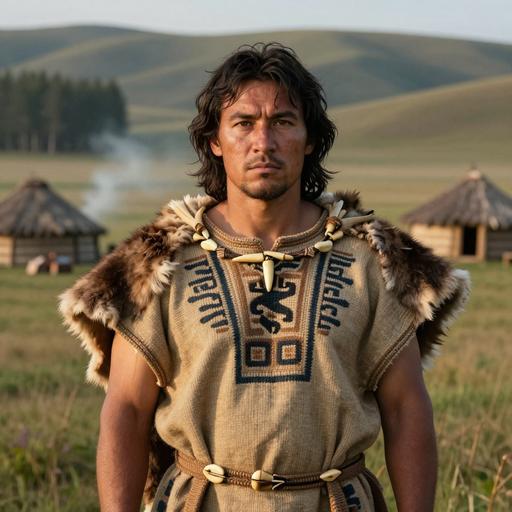
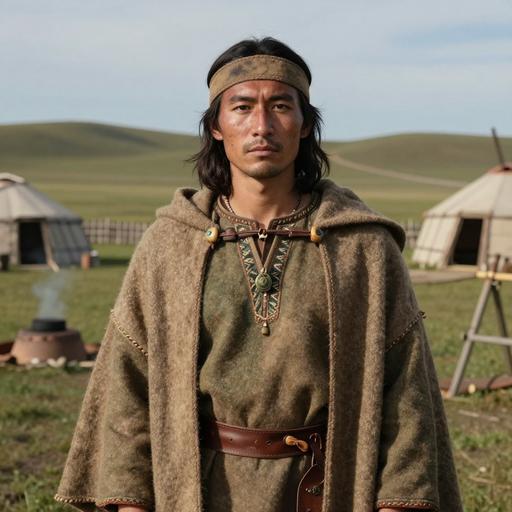
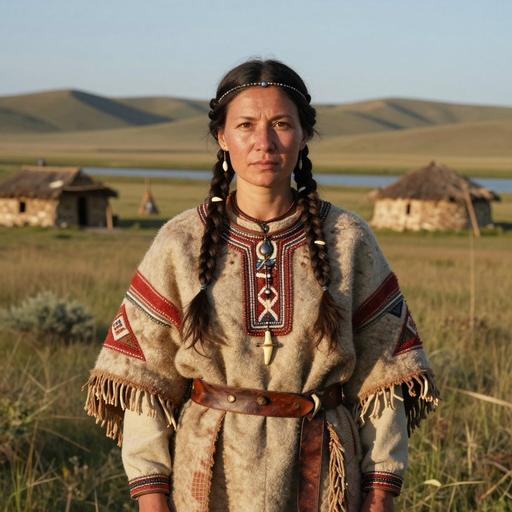
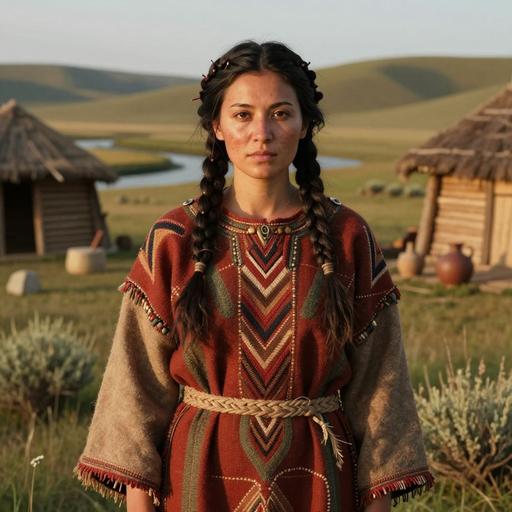
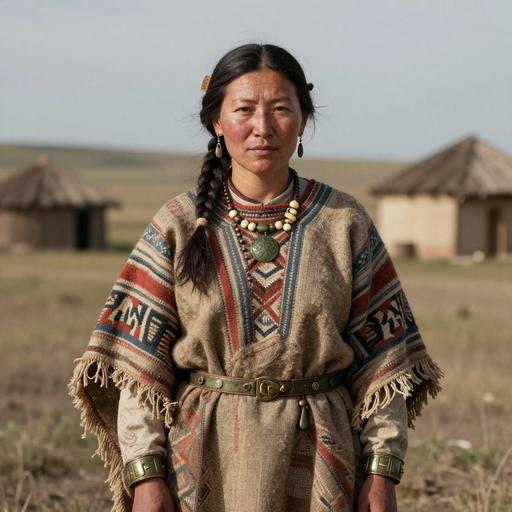
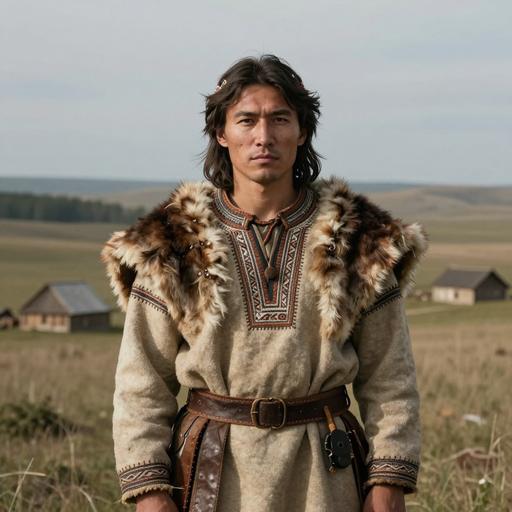
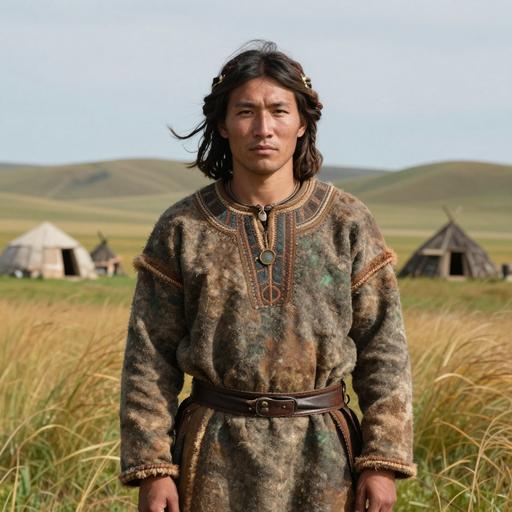
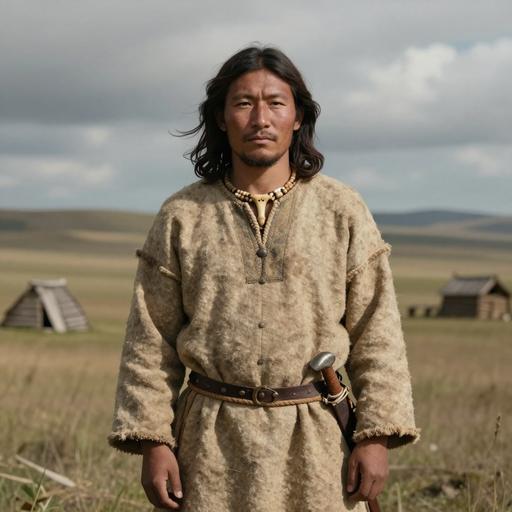
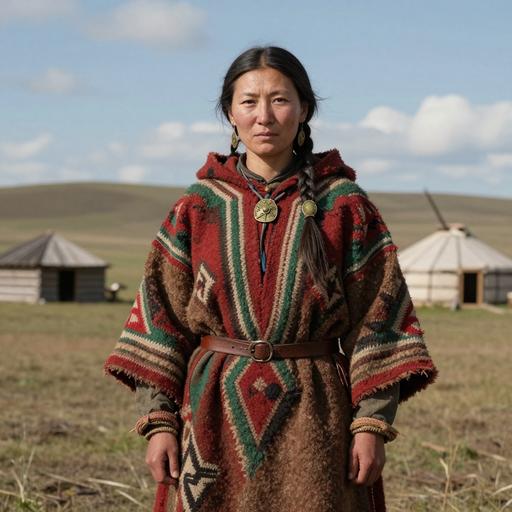
Andronovo life is reconstructed from graves, settlements, and portable finds that evoke a cinematic pastoral world: horse tack and bits, bronze tools, and corrals trace a mobile economy based on sheep, cattle, and increasingly horses. Burial mounds (kurgans) contain weapons, ornaments, and sometimes wagon parts — a material vocabulary of status, mobility, and craft. Settlement traces, when preserved, include seasonal camps and fortified farmsteads on river terraces, suggesting flexible settlement patterns tuned to grazing cycles.

Craft specializations appear in bronze casting and bone working, while pottery—often corded or incised—served both practical and ritual roles. Skeletal evidence documents activity patterns consistent with mounted herding and repetitive labor; pathologies and trauma hint at life lived on expansive, sometimes violent frontiers. Social organization was likely kin-based and mobile, with regional leaders visible through richer graves and weapon assemblages. Archaeological data indicates trade and exchange across the steppe: metals, amber, and exotic goods moved along long-distance routes, knitting Andronovo communities into wider Eurasian networks.

  • Pastoral economy centered on sheep, cattle, and horses
  • Kurgan burials with wagons, weapons, and craft goods indicate status and mobility
Chapter V

Genetic Profile

Ancient DNA from 93 Andronovo-associated individuals provides a substantial window into the biological makeup of these steppe communities. Y-chromosome lineages are dominated by haplogroup R (38 of 93), with smaller counts of Q (4), N (2), P (2), and F (1). Maternal lineages are principally mtDNA U (29), followed by T (15), J (7), H (5), and D (5). This combination reflects a strong steppe-derived paternal signal coupled with diverse maternal ancestries, consistent with patterns seen across Bronze Age Eurasia.

Genome-wide data indicate a prominent steppe pastoralist ancestry component—related to earlier West Eurasian steppe populations—mixed to varying degrees with local eastern Eurasian and forest-steppe groups. Spatially, samples from eastern spur sites such as Byan Zherek, Tasbas, and Aktogai show subtle regional structure, suggesting gene flow along migratory circuits but also localized continuity. While the sample size here (93) is substantial for the region, some subregions remain under-sampled and conclusions about fine-scale social processes (e.g., kinship in single cemeteries) should be treated as provisional. Where Y and mtDNA diverge, archaeological interpretations of patrilocality or female mobility are suggestive but not definitive without broader kinship datasets. Overall, the genetic evidence corroborates archaeological impressions of a mobile, interconnected steppe population with deep ties to earlier Indo-European–associated groups.

  • Dominant paternal lineage: Y-haplogroup R (38/93); maternal dominance: mtDNA U (29/93)
  • Genome-wide signal: strong steppe pastoralist ancestry with regional admixture
Chapter VI

Legacy & Modern Connections

Andronovo communities left an imprint on the Eurasian steppe’s material and biological landscape. Their technologies—bronze metallurgy, wagonry, and horse gear—diffused across broad territories and shaped later Bronze and Iron Age cultures such as Karasuk. Genetically, elements of Andronovo-associated lineages contribute to the ancestry of later Central Asian and some modern Siberian and steppe populations, although centuries of subsequent migration and admixture complicate direct lines of descent.

Archaeological continuity in settlement patterns and the persistence of pastoral strategies attest to a durable adaptation to steppe ecologies. Modern linguistic and cultural hypotheses sometimes invoke Andronovo as part of wider Indo-European dispersals; genetic data supports connections to earlier steppe groups often linked to those models, but the relationship is complex and not strictly one-to-one. Continued sampling, especially from underrepresented sites, is essential to refine how Andronovo fits into the deep human story of Eurasia.

  • Material and genetic influence visible in later Karasuk and Iron Age groups
  • Contributes to the complex ancestry of modern Central Asian and Siberian populations
Chapter VII

Sample Catalog

9 ancient DNA samples associated with the Andronovo: Horse, Bronze, and Steppe Echoes culture

Ancient DNA samples from this era, providing genetic insights into the people who lived during this period.

9 / 9 samples
Portrait Sample Country Era Date Culture Sex Y-DNA mtDNA
Portrait of ancient individual RISE497 from Russia, dated 1400 BCE
RISE497
Russia Russia_Karasuk 1400 BCE Andronovo Culture F - A-a1
Portrait of ancient individual RISE493 from Russia, dated 1518 BCE
RISE493
Russia Russia_Karasuk 1518 BCE Andronovo Culture M Q-FT414149 C4a1c
Portrait of ancient individual RISE495 from Russia, dated 1400 BCE
RISE495
Russia Russia_Karasuk 1400 BCE Andronovo Culture M R-Y73758 D4j1
Portrait of ancient individual RISE496 from Russia, dated 1416 BCE
RISE496
Russia Russia_Karasuk 1416 BCE Andronovo Culture F - U5a1a2a
Portrait of ancient individual RISE499 from Russia, dated 1400 BCE
RISE499
Russia Russia_Karasuk 1400 BCE Andronovo Culture F - H5a1
Portrait of ancient individual RISE502 from Russia, dated 1497 BCE
RISE502
Russia Russia_Karasuk 1497 BCE Andronovo Culture F - U5a1d
Portrait of ancient individual RISE492 from Russia, dated 393 BCE
RISE492
Russia Russia_Karasuk 393 BCE Andronovo Culture M R-M417 D4b1a2a2
Portrait of ancient individual I3425 from Russia, dated 1417 BCE
I3425
Russia Russia_Karasuk 1417 BCE Andronovo Culture M R-PF6162 I4a1
Portrait of ancient individual I3423 from Russia, dated 393 BCE
I3423
Russia Russia_Karasuk 393 BCE Andronovo Culture M R-Y46 D4b1a2a2
AI Powered

AI Assistant

Ask questions about the Andronovo: Horse, Bronze, and Steppe Echoes culture

AI Assistant by DNAGENICS

Unlock this feature
Ask questions about the Andronovo: Horse, Bronze, and Steppe Echoes culture. Our AI assistant can explain genetic findings, historical context, archaeological evidence, and modern connections.
Sample AI Analysis

The Andronovo: Horse, Bronze, and Steppe Echoes culture represents a fascinating chapter in human history...

Genetic analysis reveals connections to earlier populations while showing evidence of unique adaptations and cultural innovations. The ancient DNA samples provide insights into migration patterns, social structures, and the biological relationships between ancient populations.

This is a preview of the AI analysis. Unlock the full AI Assistant to explore detailed insights about:

  • Genetic composition and ancestry
  • Migration patterns and origins
  • Daily life and cultural practices
  • Modern genetic legacy
Use code for 35% off Expires May 20