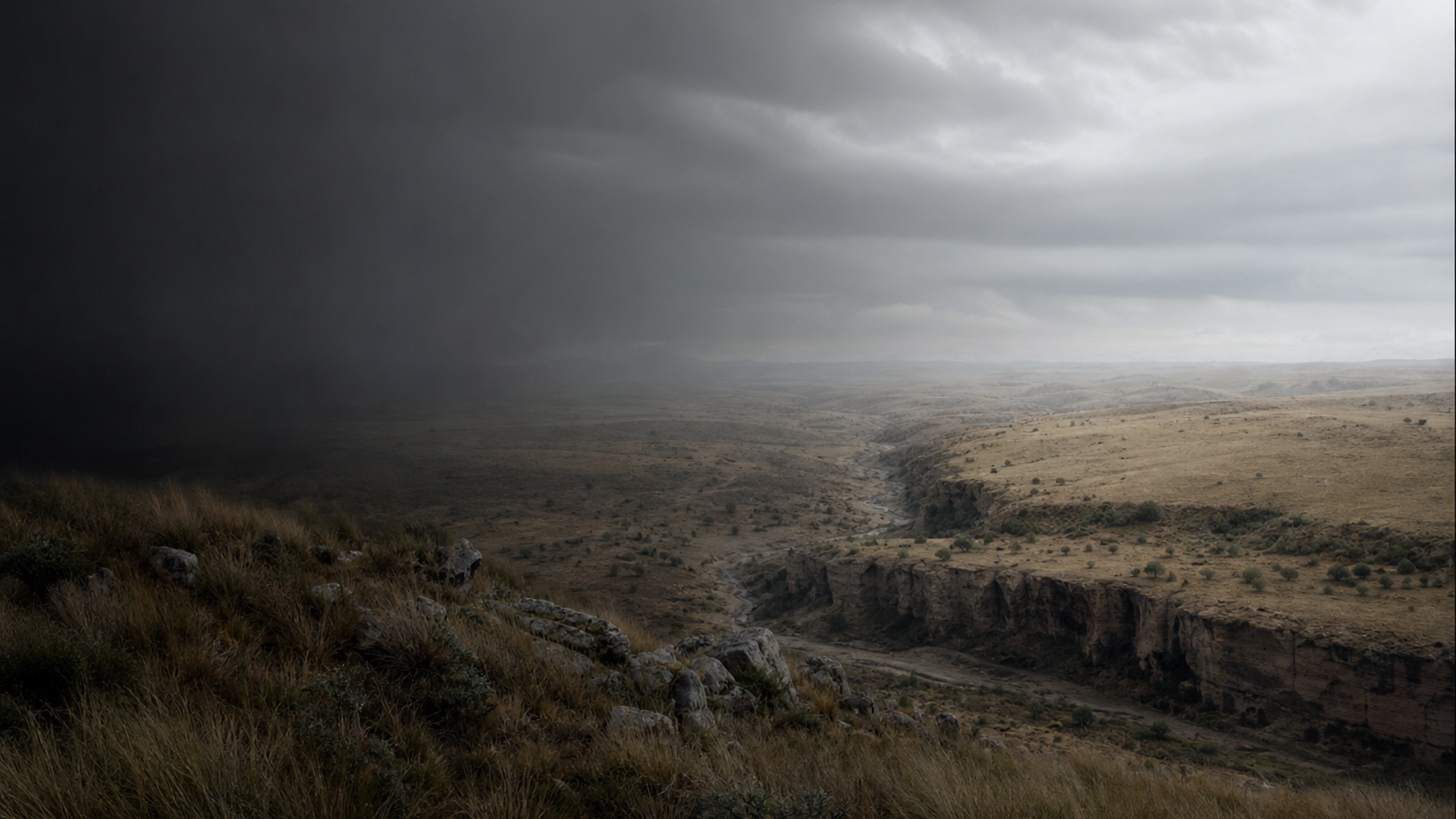
Arroyo Seco II contributes a small but valuable ancient DNA series (n=5) spanning the early to mid-Holocene. Four of the five male-line samples carry Y-chromosome haplogroup Q, a lineage widespread among Indigenous peoples of the Americas and consistent with deep Pleistocene–Holocene population histories across South and North America. On the maternal side, mitochondrial diversity includes C1b (2 individuals), D1 (1), A2 (1) and D1g (1), reflecting the broad palette of founding Native American maternal lineages.
These genetic signatures align with archaeological expectations for early South American foragers: continuity of founding American lineages rather than incoming Eurasian input. However, sample size is small (<10), so population-level inferences must be treated as preliminary. The predominance of Y haplogroup Q here (4/5) suggests paternal continuity within the local groups sampled, while multiple mtDNA haplogroups point to maternal diversity—patterns that could reflect marriage networks, patrilocal residence, or simply stochastic sampling.
When placed within regional datasets, Arroyo Seco II genomes help anchor a Pampas-specific genetic snapshot during the Holocene. Combined genetic and isotopic studies may further reveal diet, mobility and kinship, but current conclusions remain cautious pending larger samples and broader contextual data.