Menu
Store
Blog
Arroyo Seco II, Pampas, Argentina

Arroyo Seco II — 7400 BP Window

A solitary genome from Arroyo Seco II opens a view into Early Holocene Argentina.

5620 CE - 53367400 BCE
Scroll to begin
Chapter I

The Story

Understanding the Arroyo Seco II — 7400 BP Window culture

Arroyo Seco II (5620–5336 BCE) preserves a single ancient individual whose mitochondrial lineage A2 links to deep Native American ancestry. Archaeological context and limited DNA illuminate hunter‑gatherer lifeways in the Pampas, but conclusions remain preliminary due to one sample.

Time Period

5620–5336 BCE (≈7400 BP)

Region

Arroyo Seco II, Pampas, Argentina

Common Y-DNA

Not reported / unknown

Common mtDNA

A2 (1 sample)

Chapter II

Timeline

Key moments in the history of this culture

5500 BCE

Occupation at Arroyo Seco II

Arroyo Seco II is active during the Early Holocene; archaeological deposits and a human burial date to roughly 5620–5336 BCE, providing context for one sequenced individual.

Chapter III

Origins & Emergence

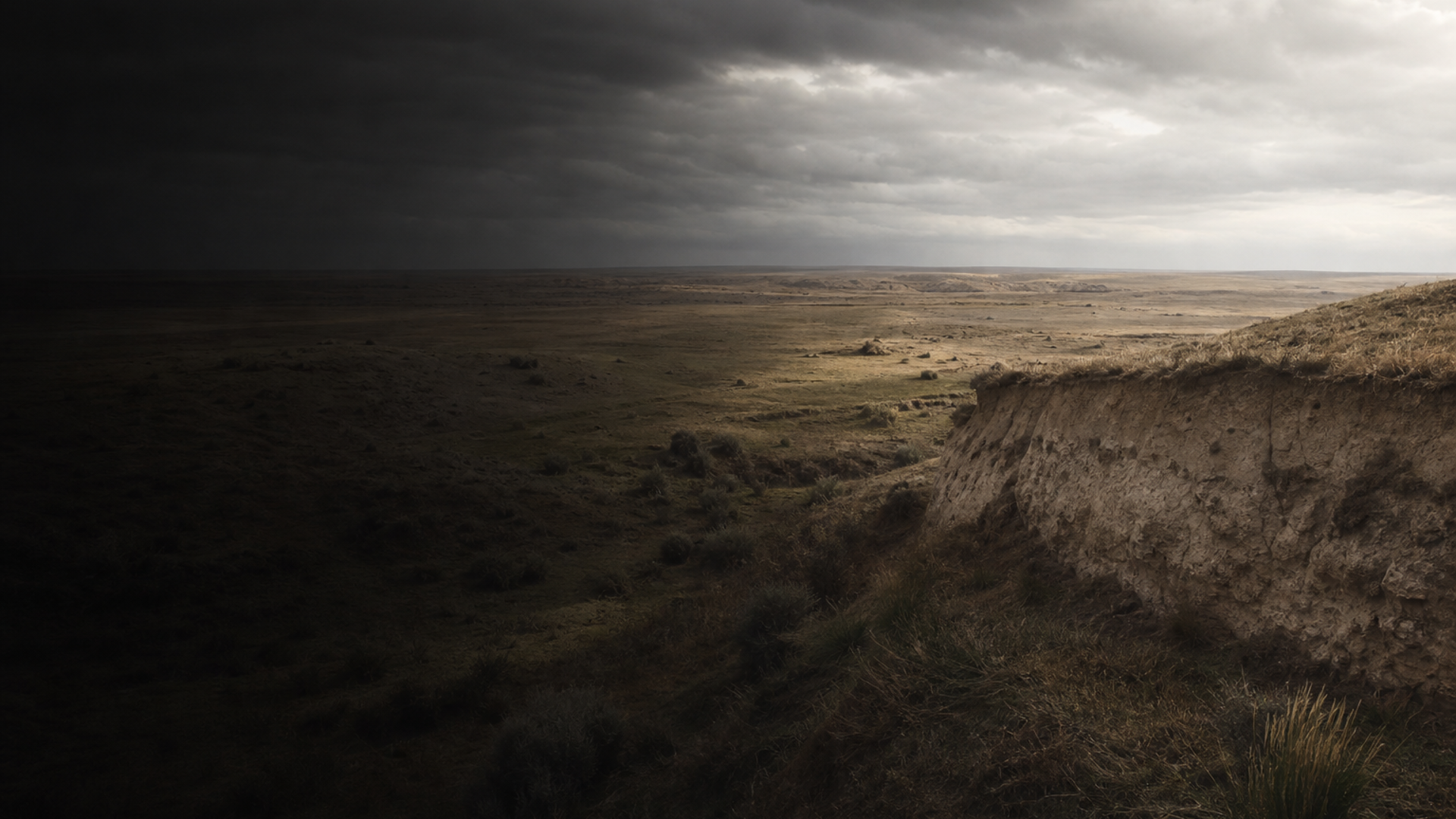
Arroyo Seco II sits like a quiet ledger of human movement in the rolling Pampas: hearth‑stained sediments, stone tools, and burials that speak of lifeways shaped by open grasslands and riverine resources. Radiocarbon dates from material associated with human remains place the activity at roughly 5620–5336 BCE, a moment in the Early Holocene when climates were stabilizing after the last glacial fluctuations. Archaeological data indicate seasonal mobility, intimate knowledge of river corridors, and a lithic technology adapted to hunting and processing.

Genetically, this horizon fits into the wider picture of early South American populations who carried lineages ultimately derived from the initial peopling of the Americas. However, the genetic sample from Arroyo Seco II is a single individual; limited evidence suggests continuity of maternal lineages such as mtDNA A2 across much of the continent, but local demographic histories can be complex. The cinematic sweep of the Pampas — winds, tall grasses, a small hearth smoked at dusk — is thus anchored by careful science: stratigraphy, radiocarbon measurement, and DNA sequencing that together trace origins without overstating certainty.

  • Site: Arroyo Seco II, Pampas region of Argentina
  • Date range: 5620–5336 BCE (Early Holocene)
  • Evidence: burials, lithics, hearths; one sequenced individual
Chapter IV

Daily Life & Society

Archaeological assemblages from Arroyo Seco II suggest a hunter‑gatherer community tuned to rivers, wetlands, and open grasslands. Stone projectile points, flakes, and processing stones imply hunting of small to medium game and the butchery and preparation of plant foods. Hearth features and burned bone fragments indicate on‑site food processing and ephemeral camp occupation. Shell and bone fragments at nearby localities in the Pampas imply a broad diet and mobility across diverse microenvironments.

Social life likely revolved around small, kin‑based groups. Burials hint at deliberate treatment of the dead, with grave positions and associated artifacts indicating social identities rather than large ranked hierarchies. Seasonal rounds may have structured movement patterns, with families moving between riverine camps in warmer months and more sheltered locales in cooler seasons. Archaeological data indicates resilience and flexibility rather than sedentism at this time.

  • Economy: hunting, fishing, plant gathering in riverine and grassland settings
  • Social structure: small mobile kin groups with intentional burial practices
Chapter V

Genetic Profile

The genetic data from Arroyo Seco II are sparse but illuminating. One sequenced individual carries mitochondrial haplogroup A2, a lineage widely observed among ancient and modern Indigenous populations throughout the Americas. This maternal signal is consistent with the genetic legacy of the first peoples who spread through South America in the Late Pleistocene and Early Holocene.

Because only one genome is available, any population‑level inference must be made cautiously. The absence of reported Y‑DNA haplogroups prevents direct inference about paternal lineages. Nonetheless, the presence of mtDNA A2 aligns with archaeological expectations of deep continuity in maternal ancestry across broad regions. Comparative ancient DNA from other South American sites shows varied local patterns of ancestry and admixture through time, so the Arroyo Seco II result contributes a valuable but preliminary datapoint. Ongoing sampling and higher sample counts will be necessary to resolve local demographic events, gene flow, and potential links with neighboring groups.


  • mtDNA: A2 found in the single sequenced individual
  • Sample size low (n=1) — conclusions are preliminary
Chapter VI

Legacy & Modern Connections

Arroyo Seco II offers a whisper from deep time that connects to the living tapestry of Indigenous South America. Maternal lineages like A2 tie this Early Holocene individual to the broader genetic heritage shared across the continent, a legacy reflected in cultural continuities of landscape knowledge and subsistence strategies. Archaeological traces — tools, hearths, burial practices — form a material bridge between past and present lifeways in the Pampas.

It is important to emphasize the preliminary nature of genetic conclusions from a single sample. While evocative, this solitary genome should be seen as a hinge on which larger narratives may turn only after more data are recovered and analyzed. Future ancient DNA from the Pampas and adjacent regions will help clarify local continuity, migration, and interaction across millennia.

  • Maternal genetic continuity (A2) links to broader Native American ancestry
  • Single sample underscores need for more ancient DNA research in the Pampas
AI Powered

AI Assistant

Ask questions about the Arroyo Seco II — 7400 BP Window culture

AI Assistant by DNAGENICS

Unlock this feature
Ask questions about the Arroyo Seco II — 7400 BP Window culture. Our AI assistant can explain genetic findings, historical context, archaeological evidence, and modern connections.
Sample AI Analysis

The Arroyo Seco II — 7400 BP Window culture represents a fascinating chapter in human history...

Genetic analysis reveals connections to earlier populations while showing evidence of unique adaptations and cultural innovations. The ancient DNA samples provide insights into migration patterns, social structures, and the biological relationships between ancient populations.

This is a preview of the AI analysis. Unlock the full AI Assistant to explore detailed insights about:

  • Genetic composition and ancestry
  • Migration patterns and origins
  • Daily life and cultural practices
  • Modern genetic legacy
Use code for 30% off Expires May 20