Menu
Store
Blog
Azerbaijan_Caucasus_lowlands_LN Azerbaijan, South Caucasus

Azerbaijan Lowlands — Late Neolithic

Two genomes from Jalilabad and Mentesh Tepe illuminate lives on the South Caucasus plains

5730 CE - 5375 BCE
2 Ancient Samples
Scroll to begin
Chapter I

The Story

Understanding the Azerbaijan Lowlands — Late Neolithic culture

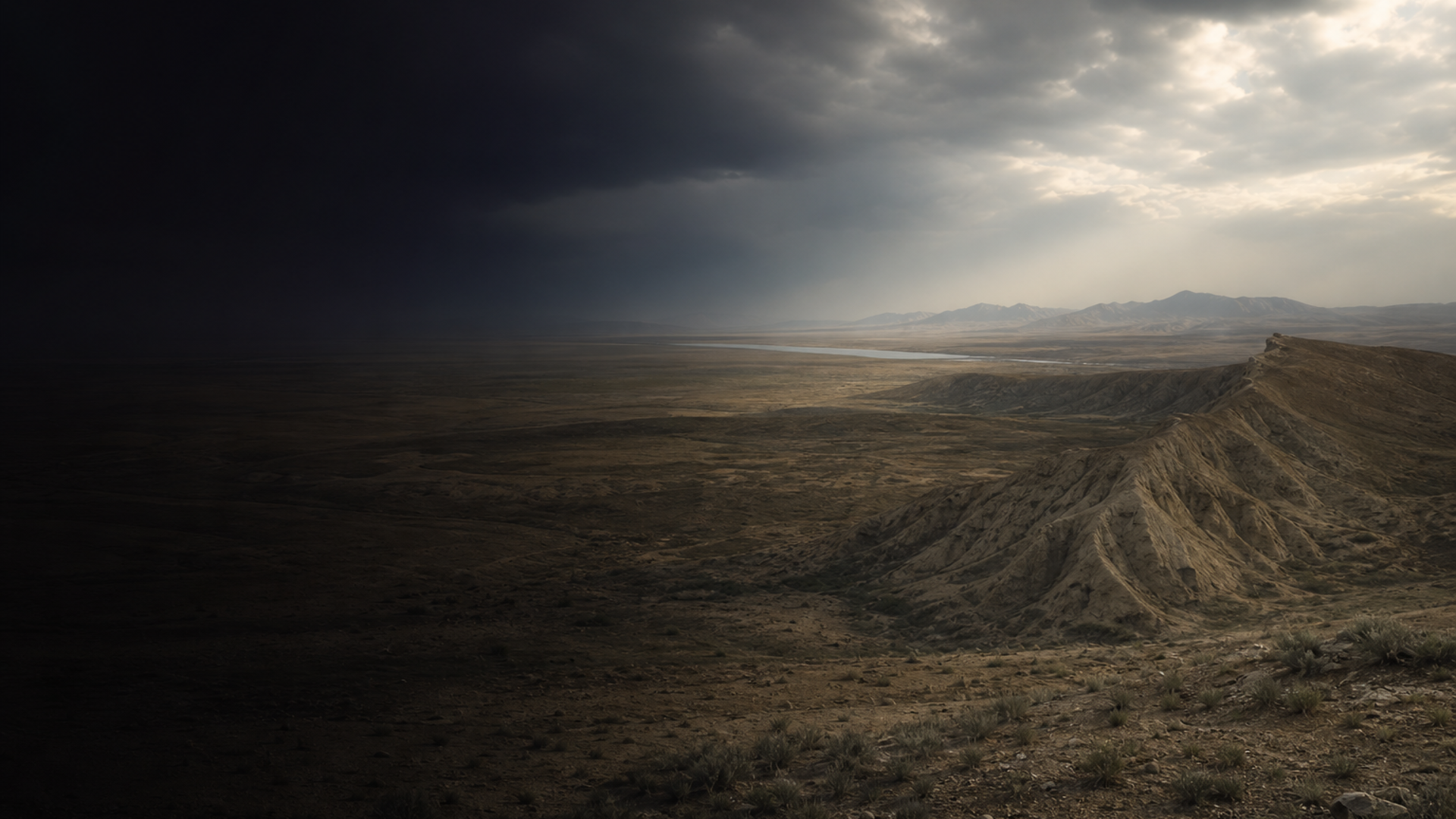
Late Neolithic lowland Azerbaijan (5730–5375 BCE): two ancient genomes from Mentesh Tepe and Polutepe offer preliminary DNA links — mtDNA U7 and H — to broader Near Eastern and Caucasus ancestries amid material traces of farming and regional exchange.

Time Period

5730–5375 BCE

Region

Azerbaijan, South Caucasus

Common Y-DNA

Not reported (insufficient data)

Common mtDNA

U7 (1), H (1)

Chapter II

Timeline

Key moments in the history of this culture

5730 BCE

Earliest dated Late Neolithic sample

Radiocarbon dates place one individual at about 5730 BCE, anchoring these genomes in the early phase of Late Neolithic lowland occupation.

Chapter III

Origins & Emergence

In the lowland plains of what is now Azerbaijan, communities were reshaping their lives between roughly 5730 and 5375 BCE. Archaeological data from sites such as Mentesh Tepe (Zeyem Chaj, Mentesh Tepe area) and Polutepe (Uchtepe village, Jalilabad district) indicate settled lifeways during the Late Neolithic, with pottery, small-scale farming, and participation in regional exchange networks. The landscape — a convergence of riverine plains and steppe margins — offered cultivable soils and routes for contacts across the southern Caucasus.

Limited evidence suggests these lowland communities were part of wider transformations across the Near East: the spread of domesticated plants and animals, evolving craft traditions, and intensified inter-site connections. While two recovered genomes provide direct human data, they are a slender thread in a much larger tapestry; archaeological contexts, ceramic assemblages, and settlement patterns remain crucial for reconstructing how these communities emerged and interacted.

Archaeological data indicates continuity with local Neolithic traditions alongside influences from neighboring upland and southern regions. The lowlands likely served as corridors for both goods and ideas, and as sedimentary archives of organic and cultural change. As more excavation and radiocarbon dating refine chronologies, these Mentesh Tepe and Polutepe finds anchor a fleeting but vivid moment in the deep history of the South Caucasus.

  • Sites: Mentesh Tepe (Zeyem Chaj) and Polutepe (Uchtepe village, Jalilabad district).
  • Dating: tightly clustered to 5730–5375 BCE (Late Neolithic).
  • Evidence: settlement traces, pottery, and signs of regional exchange.
Chapter IV

Daily Life & Society

The everyday world of Late Neolithic lowland Azerbaijan can be imagined through soil, potsherds, and animal bones. Archaeological data indicates households organized around domestic structures, with storage and cooking vessels attesting to plant processing and food preparation. Faunal remains from comparable regional sites point to mixed economies: herding of sheep and goats, hunting, and the cultivation of cereals and pulses — practices likely mirrored in the lowlands.

Craftspeople shaped local ceramics and flint tools; stylistic echoes in pottery suggest interactions with nearby upland communities. Seasonal rhythms — planting and harvest, herd movements, wet-season activities along river channels — would have structured labor and ritual life. Burials and isolated skeletal remains found in the region reveal personal adornment and body treatment traditions, but the small sample size from these two genomes prevents broad claims about social hierarchy or burial customs specific to Mentesh Tepe and Polutepe.

Archaeological contexts hint at communities adaptable to floodplain dynamics and engaged in both local subsistence and longer-distance contacts. These lifeways were woven into the environment: a cinematic interplay of river fog, cultivation terraces, and smoke rising from hearths — an intimate portrait reconstructed from shards and bones.

  • Mixed economy: agriculture, herding, and hunting inferred from regional faunal and botanical remains.
  • Material culture: local ceramics and stone tools indicate craft specialization and exchange.
Chapter V

Genetic Profile

Two ancient genomes recovered from the Azerbaijan lowlands (Mentesh Tepe and Polutepe) date to 5730–5375 BCE and yield mitochondrial haplogroups U7 and H (one individual each). These mtDNA lineages offer tentative glimpses into maternal ancestry: U7 today is concentrated in the Near East, parts of the Caucasus, and Iran, while H is widespread across West Eurasia. Such distributions suggest maternal connections spanning the South Caucasus and adjacent regions.

Importantly, no common Y-DNA haplogroup is reported for these samples, so paternal lineages remain unresolved. With only two samples—well below the ten-sample threshold for robust population inference—any genetic interpretation must be treated as provisional. Limited evidence suggests these individuals fit within a broader regional pattern revealed by other ancient DNA work in the Caucasus: a mosaic of ancestry that often includes a Caucasus hunter-gatherer (CHG) component, Neolithic farmer inputs from the west and south, and later admixture events.

Genetic data combined with archaeology points to female-line continuity and long-range connections but not to clear demographic turnovers. These genomes are early, cinematic threads in the genetic history of the South Caucasus; more samples are required to test hypotheses about migration, sex-biased movement, and continuity through the Bronze Age and later.

  • mtDNA: U7 (1) and H (1) — maternal links to Near East and wider West Eurasia.
  • Sample size: 2 genomes — preliminary; conclusions about population structure are tentative.
Chapter VI

Legacy & Modern Connections

These Late Neolithic genomes, though few, bridge deep prehistory and living populations. The presence of mtDNA U7 aligns with modern distributions in the southern Caucasus and Iran, suggesting some maternal lineages observed today may trace portions of their history to communities like those at Mentesh Tepe and Polutepe. Haplogroup H’s ubiquity across West Eurasia means its appearance here is consistent with broad maternal horizons rather than a unique local signature.

Archaeological continuity in material culture and genetic echoes together imply that lowland Azerbaijan was not an isolated backwater but part of dynamic demographic and cultural networks. Yet the small number of samples demands humility: limited evidence suggests potential threads of continuity, but larger and better-contextualized ancient DNA datasets are needed to chart durable connections to modern Azerbaijani and neighboring populations. For now, these genomes remain evocative waypoints — cinematic glimpses of individuals whose lives contributed, in small measure, to the genetic mosaic of the Caucasus.

  • mtDNA echoes: U7 connects to present-day southern Caucasus and Iranian maternal lineages.
  • Caution: small sample size prevents strong claims about direct ancestry to modern populations.
Chapter VII

Sample Catalog

2 ancient DNA samples associated with the Azerbaijan Lowlands — Late Neolithic culture

Ancient DNA samples from this era, providing genetic insights into the people who lived during this period.

2 / 2 samples
Portrait Sample Country Era Date Culture Sex Y-DNA mtDNA
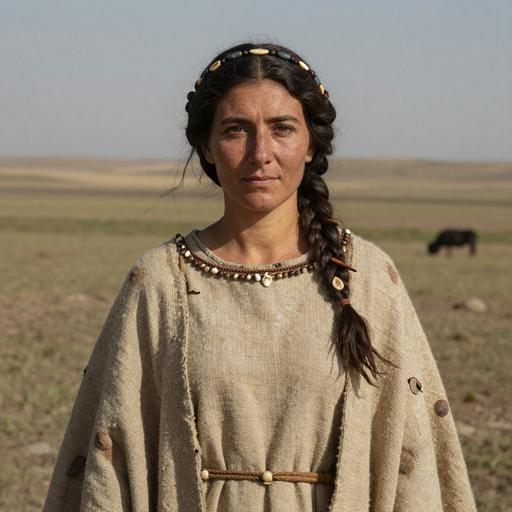
Portrait of ancient individual MTT001 from Azerbaijan, dated 5730 BCE
MTT001
Azerbaijan Azerbaijan_Caucasus_lowlands_LN 5730 BCE Caucasian Neolithic F - U7
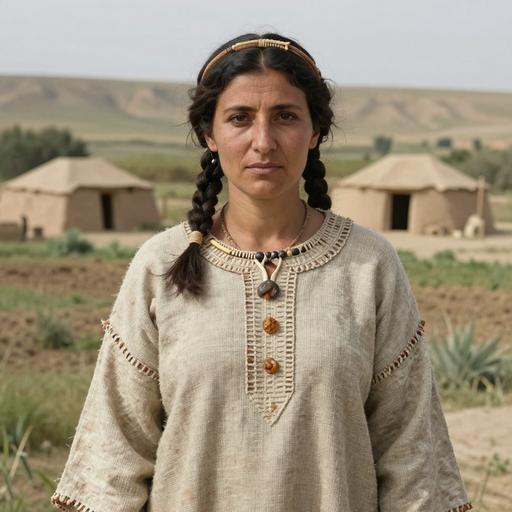
Portrait of ancient individual POT002 from Azerbaijan, dated 5515 BCE
POT002
Azerbaijan Azerbaijan_Caucasus_lowlands_LN 5515 BCE Caucasian Neolithic F - H13a2b
AI Powered

AI Assistant

Ask questions about the Azerbaijan Lowlands — Late Neolithic culture

AI Assistant by DNAGENICS

Unlock this feature
Ask questions about the Azerbaijan Lowlands — Late Neolithic culture. Our AI assistant can explain genetic findings, historical context, archaeological evidence, and modern connections.
Sample AI Analysis

The Azerbaijan Lowlands — Late Neolithic culture represents a fascinating chapter in human history...

Genetic analysis reveals connections to earlier populations while showing evidence of unique adaptations and cultural innovations. The ancient DNA samples provide insights into migration patterns, social structures, and the biological relationships between ancient populations.

This is a preview of the AI analysis. Unlock the full AI Assistant to explore detailed insights about:

  • Genetic composition and ancestry
  • Migration patterns and origins
  • Daily life and cultural practices
  • Modern genetic legacy
Use code for 35% off Expires May 20