Menu
Store
Blog
Bulgaria_C Balkans (Bulgaria, Serbia, Croatia)

Balkan Chalcolithic Echoes

Archaeology and ancient DNA tracing life across the Balkans, 5468–2000 BCE

5468 CE - 2000 BCE
14 Ancient Samples
Scroll to begin
Chapter I

The Story

Understanding the Balkan Chalcolithic Echoes culture

Archaeological and genomic evidence from 40 individuals across Bulgaria, Serbia and Croatia reveals a dynamic Chalcolithic world of local farmer lineages, hunter‑gatherer persistence, and later steppe-related influxes. Sites include Yunatsite, Tell Ezero, Smyadovo and Dakovo.

Time Period

5468–2000 BCE

Region

Balkans (Bulgaria, Serbia, Croatia)

Common Y-DNA

I, R, F, G, H

Common mtDNA

U, K, H, T, HV

Chapter II

Timeline

Key moments in the history of this culture

2500 BCE

Regional reorganization and increasing mobility

Around 2500 BCE communities show shifts in material culture and genetic signals consistent with increased long‑distance contact and movement across the Balkans.

Chapter III

Origins & Emergence

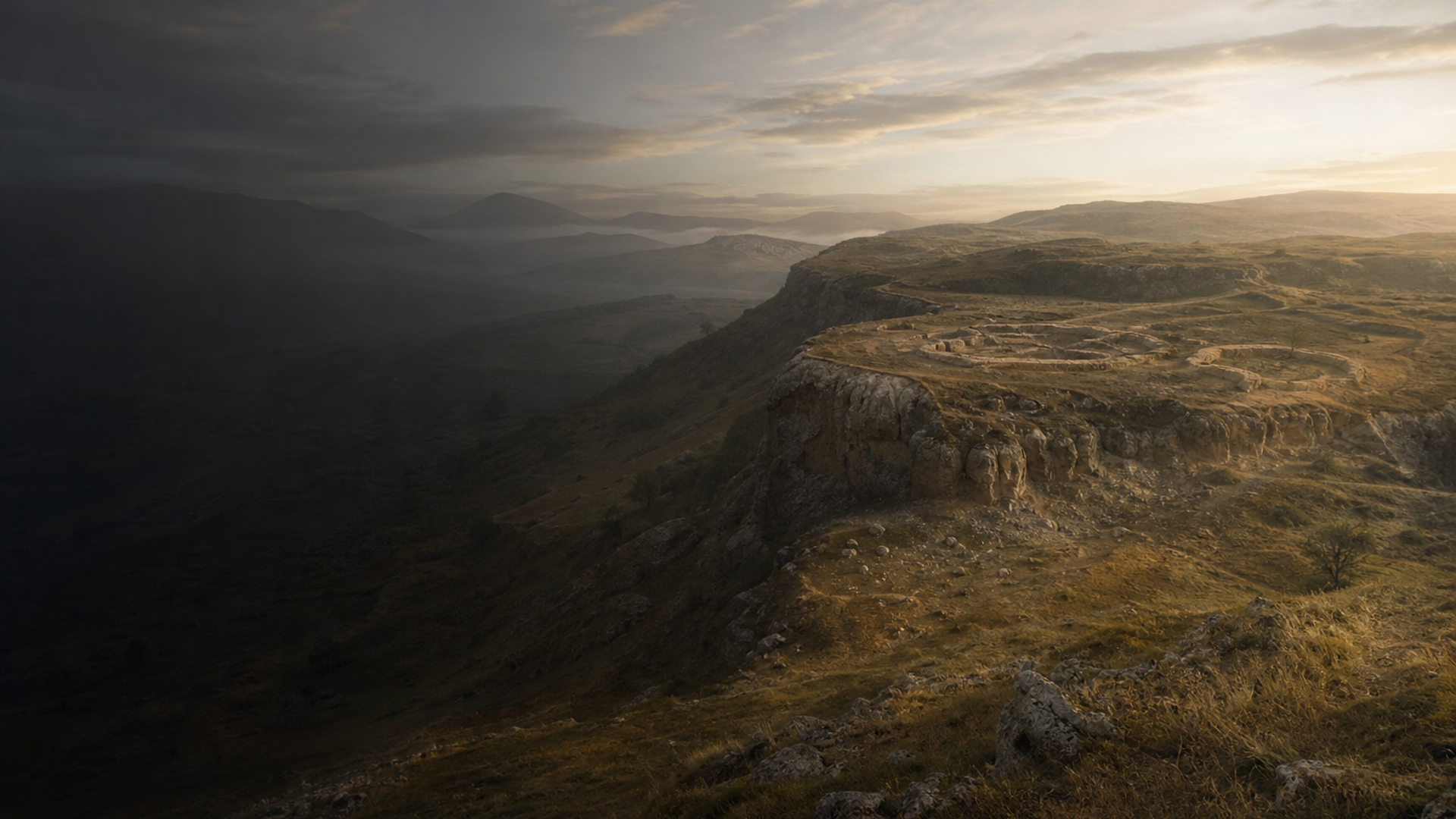
The Balkan Chalcolithic unfolds across long-lived tell settlements and necropoleis from the late sixth millennium through the early second millennium BCE. Archaeological horizons sampled here span key sites in present-day Bulgaria, Serbia and Croatia — Yunatsite, Tell Ezero (South Central Bulgaria), Kazanlak, Smyadovo, Sushina, Podlokanj (Serbia) and Dakovo–Franjevac (Croatia) — each preserving stratified sequences of domestic architecture, craft production and burial practice. Material culture shows regional continuity with Neolithic farming traditions and simultaneous innovation: copper artefacts and new pottery forms appear alongside older local house plans.

Stratigraphic data indicate that these communities emerged from long-standing Neolithic farmer populations, with episodic reorganization of settlement patterns during the later Chalcolithic. Radiocarbon determinations from the sampled contexts fall between 5468 and 2000 BCE, a broad interval that captures both late Chalcolithic florescence and transitions into the Early Bronze Age in Bulgaria.

Archaeological data indicate shifting social networks across river valleys and coastal corridors: trade in raw copper and exotic goods suggests wider connections across the Balkans and into the Carpathian Basin. Limited evidence suggests that some demographic change occurred near the end of the sequence, consistent with broader regional transformations around 3000–2000 BCE. Given the spatial spread of the sampled sites, interpretations emphasize mosaic continuity and change rather than a single migration event.

  • Sites sampled include Yunatsite, Tell Ezero, Smyadovo, Sushina, Podlokanj, Dakovo
  • Material culture shows Neolithic continuity plus Chalcolithic innovation (copper, new pottery)
  • Radiocarbon range: 5468–2000 BCE, spanning Chalcolithic into Early Bronze Age
Chapter IV

Daily Life & Society

Domestic life in the Balkan Chalcolithic is visible in house plans, storage pits and workshop areas where people repaired tools, processed grain and produced copper objects. Tells such as Yunatsite and Tell Ezero preserve layered floors and hearths that suggest multi‑generational reuse of space. Ceramic assemblages include both finely burnished ware and more utilitarian coarse pots, implying varied culinary practices and household economies.

Burial practice is heterogeneous: inhumations in cemeteries like Merichleri Kairyaka necropolis and occasional intramural burials show variable body orientation, grave goods and placement, hinting at differences in status, age or belief. Funerary objects — bone tools, pottery and occasional metal items — suggest social differentiation, though most burials contain modest assemblages. Subsistence is dominated by mixed farming: archaeobotanical remains indicate cereals and pulses, while faunal remains point to domesticated sheep, goats, cattle and pigs with continued exploitation of wild resources.

Craft specialization is evidenced by small copper working areas and polished stone tool production; trade networks appear to have connected inland tells with river routes and the Adriatic coast, visible in non-local raw materials. Social life likely combined kin-based household organization with broader communal rituals centered on seasonal cycles and material exchange. Archaeological evidence indicates a resilient, adaptive society negotiating new technologies and long‑standing local practices.

  • Mixed farming economy: cereals, pulses, domesticated animals, with wild resource use
  • Craft production: small-scale copper working, pottery, stone tools; evidence of trade
Chapter V

Genetic Profile

Genome-wide and uniparental data from 40 individuals sampled across multiple sites provide a regional view of ancestry in the Balkan Chalcolithic. Mitochondrial haplogroups are dominated by U (8), K (6), H (4), T (3) and HV (2) — a profile consistent with persistence of Neolithic farmer‑associated maternal lineages alongside haplogroups common in earlier European hunter‑gatherers. Such mtDNA diversity supports continuity of local maternal ancestry through the Chalcolithic.

Y‑chromosome diversity is more variable: haplogroups I (4) and R (3) are present along with F (2), G (2) and H (1). The presence of I suggests local Mesolithic‑derived paternal lines, while R — recorded here without subclade resolution — may reflect incoming steppe‑related male ancestry that becomes more prominent in later Bronze Age contexts. Haplogroups G and F are often associated with early farmer or Near Eastern lineages and their occurrence here aligns with archaeological evidence for long‑term Neolithic continuity. Because some Y lineages are represented by small counts (many <10), conclusions about sex‑biased admixture should be treated as provisional.

Autosomal patterns across the cohort indicate a mixture of local Anatolian‑Neolithic farmer ancestry, remnant European hunter‑gatherer input, and increasing steppe‑related ancestry toward the end of the sampled interval. With a sample size of 40, these signals are meaningful at a regional scale, but site‑by‑site heterogeneity and small counts for particular haplogroups warrant cautious, iterative interpretation as more data accrue.

  • mtDNA dominated by U, K, H — continuity with Neolithic maternal lineages
  • Y‑DNA shows mix of local I and incoming R, with G/F suggesting farmer-linked lineages; low counts mean caution
Chapter VI

Legacy & Modern Connections

The Balkan Chalcolithic represents a key chapter in the formation of later Balkan populations. Archaeological continuities in pottery, architecture and subsistence reflect deep regional roots that genetic data corroborate: modern populations in Bulgaria and neighboring regions retain strands of the maternal haplogroups common in these ancient communities. The later increase in steppe-related ancestry documented in some individuals presages demographic and cultural shifts that contribute to the genetic landscape of the Bronze Age and beyond.

These ancient genomes help bridge material culture and ancestry: they show how local farmer communities adapted to new technologies and social practices while absorbing gene flow from diverse neighbors. However, the complexity of regional contact zones means that direct lines from Chalcolithic individuals to specific modern groups cannot be drawn in a simple way. Future, denser sampling and fine-scale chronological resolution will refine connections between these tell communities and the peopling of later Europe. The current dataset of 40 individuals offers a compelling, though still incomplete, portrait of endurance and transformation across millennia.

  • Ancient maternal lineages persist into the modern Balkans; later steppe input reshaped some ancestries
  • Current conclusions are robust at a regional scale but require denser sampling for fine-grained links
Chapter VII

Sample Catalog

14 ancient DNA samples associated with the Balkan Chalcolithic Echoes culture

Ancient DNA samples from this era, providing genetic insights into the people who lived during this period.

14 / 14 samples
Portrait Sample Country Era Date Culture Sex Y-DNA mtDNA
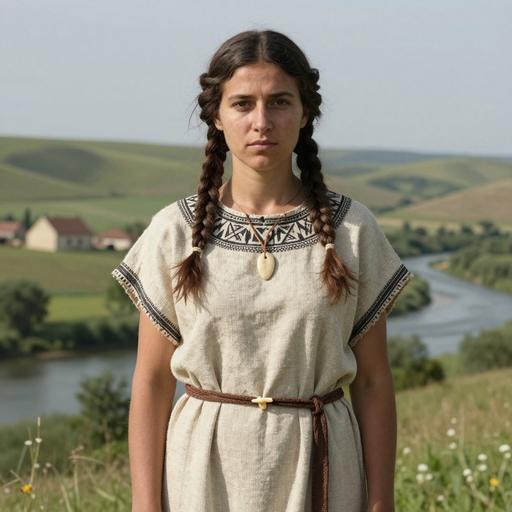
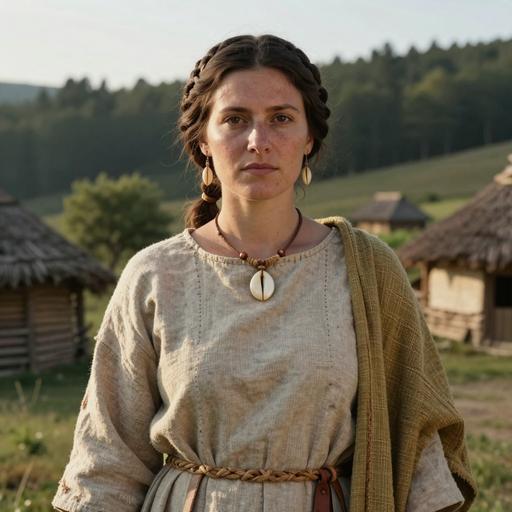
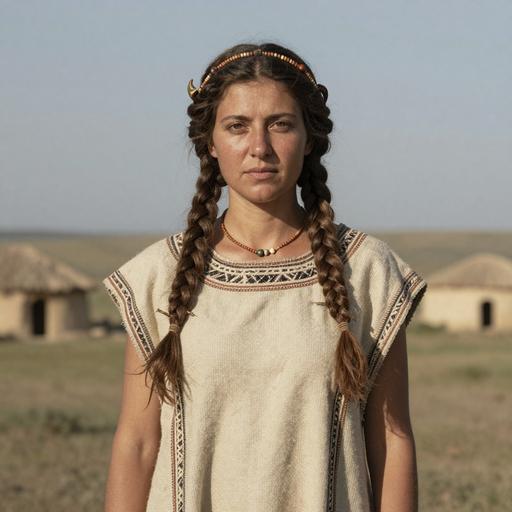
Portrait of ancient individual I2509 from Bulgaria, dated 4449 BCE
I2509
Bulgaria Bulgaria_C 4449 BCE Balkan Chalcolithic F - K1a2e
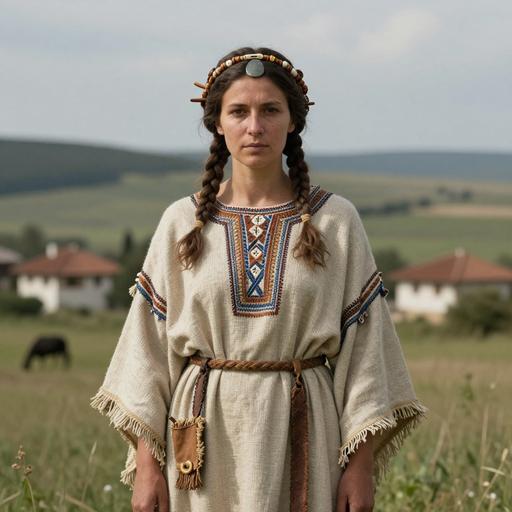
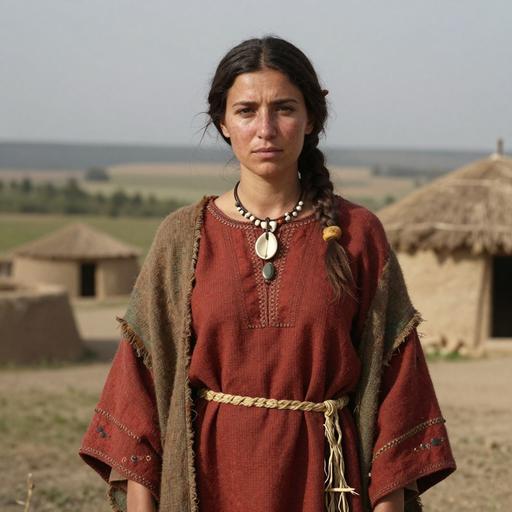
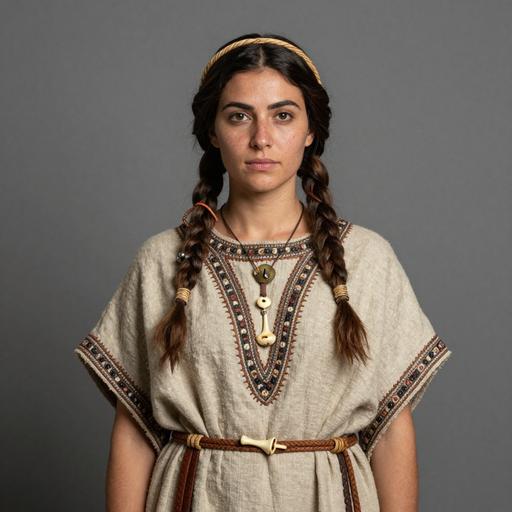
Portrait of ancient individual I2519 from Bulgaria, dated 4341 BCE
I2519
Bulgaria Bulgaria_C 4341 BCE Balkan Chalcolithic F - U5b2a1a
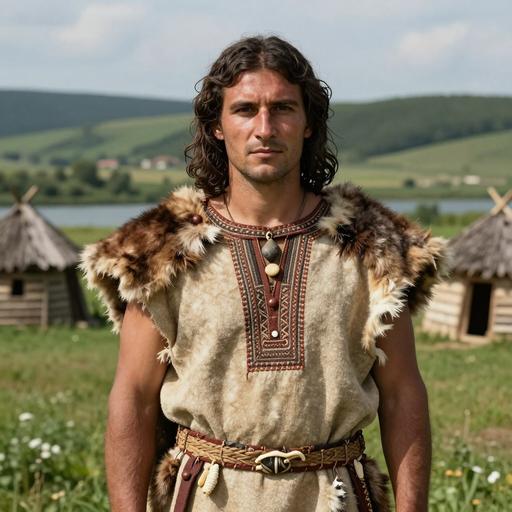
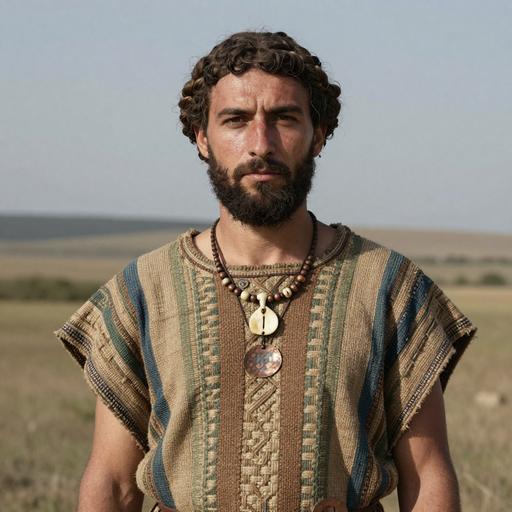
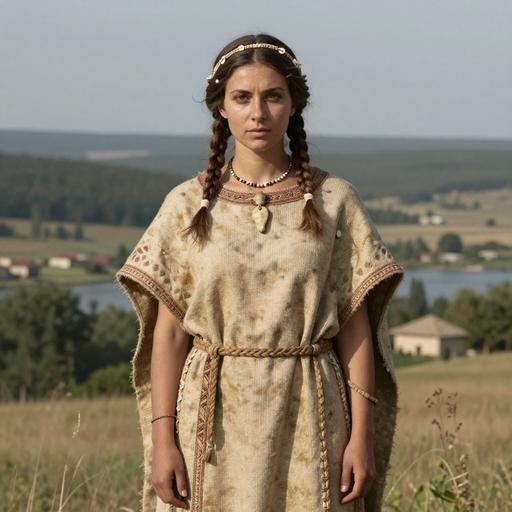
Portrait of ancient individual I2431 from Bulgaria, dated 4784 BCE
I2431
Bulgaria Bulgaria_C 4784 BCE Balkan Chalcolithic M G-S10654 N1b2
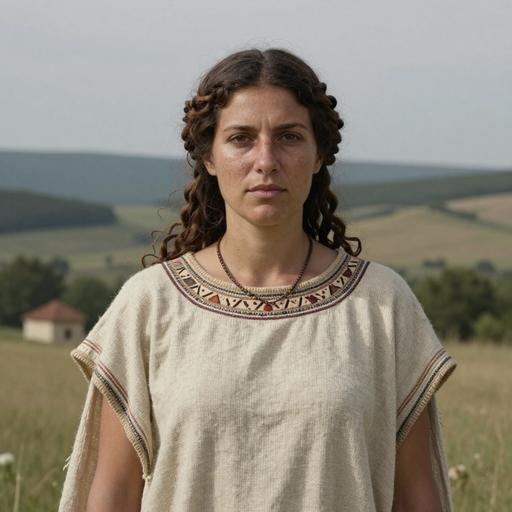
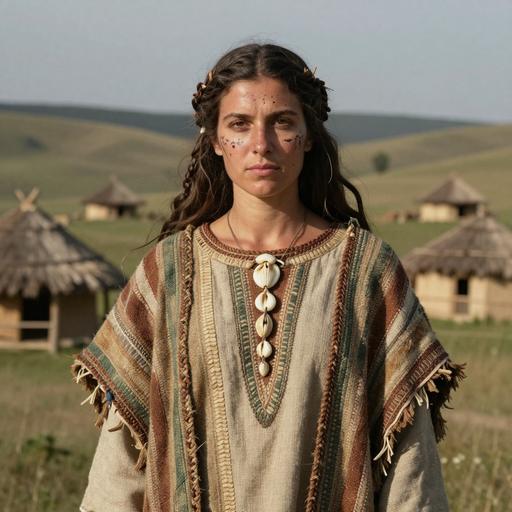
Portrait of ancient individual I2427 from Bulgaria, dated 4446 BCE
I2427
Bulgaria Bulgaria_C 4446 BCE Balkan Chalcolithic F - H1j
Portrait of ancient individual I2424 from Bulgaria, dated 4445 BCE
I2424
Bulgaria Bulgaria_C 4445 BCE Balkan Chalcolithic F - U4a
Portrait of ancient individual I2430 from Bulgaria, dated 4602 BCE
I2430
Bulgaria Bulgaria_C 4602 BCE Balkan Chalcolithic M R-FGC21056 K1a26
Portrait of ancient individual I2423 from Bulgaria, dated 4536 BCE
I2423
Bulgaria Bulgaria_C 4536 BCE Balkan Chalcolithic F - H
Portrait of ancient individual I0781 from Bulgaria, dated 4537 BCE
I0781
Bulgaria Bulgaria_C 4537 BCE Balkan Chalcolithic F - K1-a
Portrait of ancient individual I2526 from Bulgaria, dated 5468 BCE
I2526
Bulgaria Bulgaria_C 5468 BCE Balkan Chalcolithic F - T2e
Portrait of ancient individual I2425 from Bulgaria, dated 4676 BCE
I2425
Bulgaria Bulgaria_C 4676 BCE Balkan Chalcolithic F - T2c1b
AI Powered

AI Assistant

Ask questions about the Balkan Chalcolithic Echoes culture

AI Assistant by DNAGENICS

Unlock this feature
Ask questions about the Balkan Chalcolithic Echoes culture. Our AI assistant can explain genetic findings, historical context, archaeological evidence, and modern connections.
Sample AI Analysis

The Balkan Chalcolithic Echoes culture represents a fascinating chapter in human history...

Genetic analysis reveals connections to earlier populations while showing evidence of unique adaptations and cultural innovations. The ancient DNA samples provide insights into migration patterns, social structures, and the biological relationships between ancient populations.

This is a preview of the AI analysis. Unlock the full AI Assistant to explore detailed insights about:

  • Genetic composition and ancestry
  • Migration patterns and origins
  • Daily life and cultural practices
  • Modern genetic legacy
Use code for 35% off Expires May 20