Menu
Store
Blog
Albania_EarlyModern Barç, Korça Basin, Albania

Barç Voices: Albanian Early Modern DNA

Two maternal genomes from Barç illuminate Albanian life in 1450–1800 CE, with cautious hints of continuity

1450 CE - 1800 CE
2 Ancient Samples
Scroll to begin
Chapter I

The Story

Understanding the Barç Voices: Albanian Early Modern DNA culture

Archaeogenetic analysis of two skeletal individuals from Barç (Korça Basin, Albania) dated 1450–1800 CE reveals maternal haplogroups X and U. Limited sample size makes conclusions preliminary, but combined archaeological and DNA evidence suggests ties to Balkan maternal lineages and complex regional contacts.

Time Period

1450–1800 CE

Region

Barç, Korça Basin, Albania

Common Y-DNA

Not recorded (few samples)

Common mtDNA

X (1), U (1)

Chapter II

Timeline

Key moments in the history of this culture

1450 CE

Start of sampled interval

Earliest date in the Barç sample range; context falls into the Early Modern period of Albania.

1800 CE

End of sampled interval

Latest date in the Barç sample range, marking the close of the studied interval for these genomes.

Chapter III

Origins & Emergence

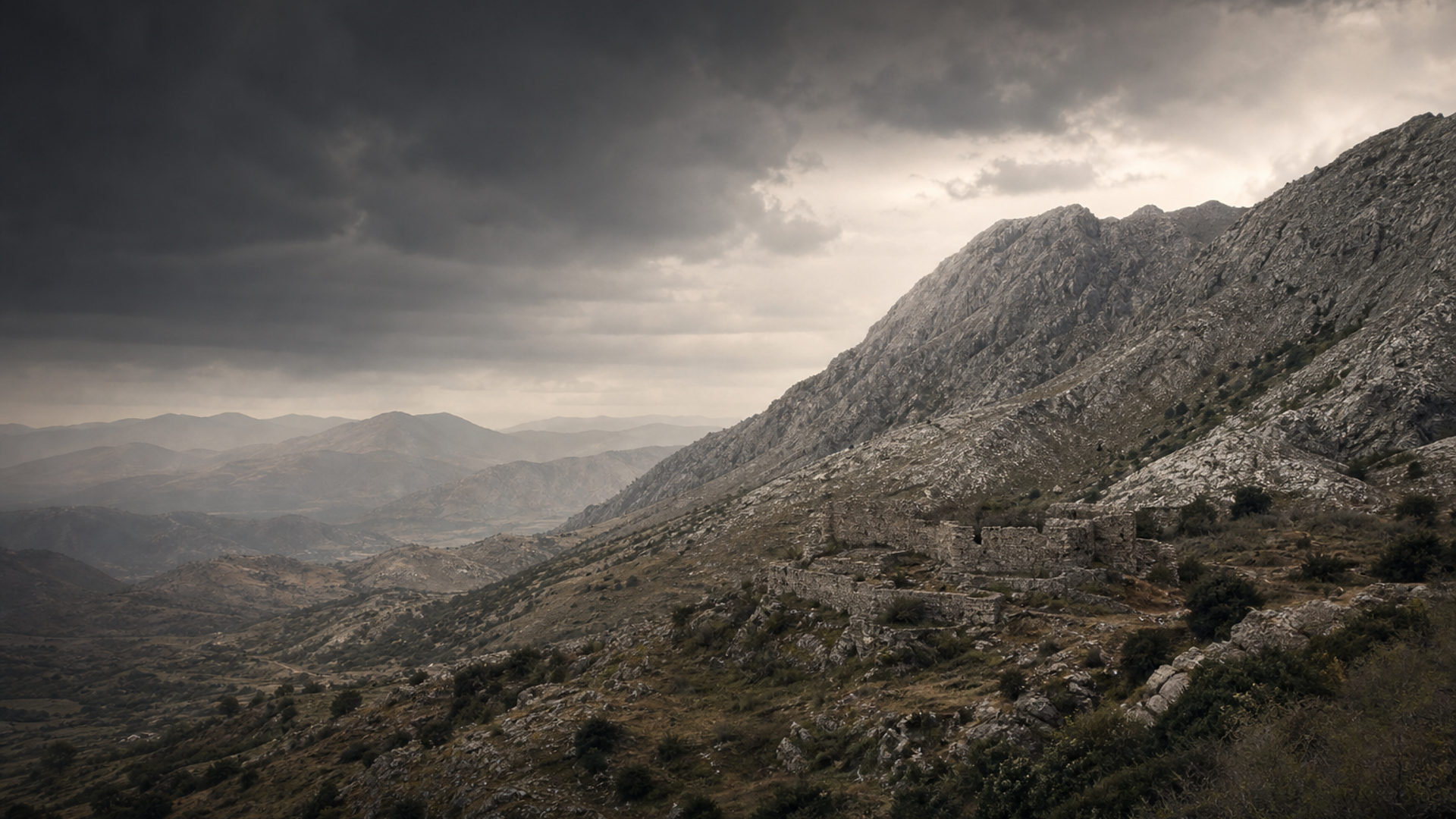
In the cool light of the Korça Basin, the human remains recovered at Barç speak to an Early Modern Albanian landscape shaped by centuries of mobility, trade, and imperial change. The archaeological horizon for these samples falls between 1450 and 1800 CE—a period when local communities navigated Ottoman administrative structures, shifting pastoral routes, and long-standing Balkan connections. Archaeological data indicates cemetery contexts in the region continued longstanding burial practices while absorbing new material influences from nearby urban centers and caravan routes.

Genetically, the two Barç individuals provide a narrow window into maternal ancestry: one carries mtDNA haplogroup X, the other U. Both lineages have deep prehistory in Eurasia and are present in varying frequencies across Europe and the Near East. Their presence in Barç aligns with expectations for a southern Balkans population retaining continuity with earlier medieval and regional maternal pools, while also permitting admixture from wider networks.

Limited evidence suggests that this continuity was not uniform—local demographic change, marriage networks, and occasional movements of people during Early Modern upheavals could have altered regional genetic structure. Because only two genomes are available, these origins remain preliminary, inviting expanded sampling across neighboring cemeteries and chronologies.

  • Samples dated 1450–1800 CE from Barç (Korça Basin)
  • Maternal lineages (X and U) suggest regional continuity
  • Conclusions are provisional given the very small sample size
Chapter IV

Daily Life & Society

Archaeological traces from the Korça Basin hint at a world of terraces, orchards, and village nuclei where communities balanced subsistence farming, pastoralism, and long-distance connections. Barç sat within a mosaic of upland and lowland settlements; material culture in the broader region shows continuity of ceramic traditions alongside imported goods that reveal engagement with regional markets.

Burial evidence in southeastern Albania often reflects localized ritual choices—grave orientation, simple interments, and occasional personal items—suggesting households organized around kin networks. Osteological data, when available, can show patterns of workload, diet, and disease consistent with agrarian lifeways. Isotope studies from comparable Balkan sites indicate mixed diets with cereals and animal protein, while mobility signals sometimes point to seasonal movement or marriage-related relocation.

When combined with DNA, these lines of evidence create a cinematic reconstruction: mothers and fathers rooted in valley farms, young adults moving along marriage or economic routes, and occasional newcomers bringing different traditions. Yet for Barç, the archaeological record tied directly to the two genetic samples is sparse; broader contextual excavation is needed to move from evocative portrait to confident narrative.

  • Subsistence likely mixed farming and pastoralism in the Korça Basin
  • Burial practice and osteology can reveal kin networks and lifestyle
Chapter V

Genetic Profile

The genetic dataset from Barç is extremely limited—two genomes—so interpretations must be cautious. Maternal haplogroups observed are mtDNA X (1 individual) and mtDNA U (1 individual). Haplogroup U has long been common across Europe since the Paleolithic and shows regional sublineages throughout the Balkans; its presence at Barç is consistent with continuity of European maternal ancestry into the Early Modern period. Haplogroup X is less frequent but has a broad Eurasian distribution, appearing in the Near East, Caucasus, and parts of southeastern Europe; where present, it can reflect deep maternal continuity or historic gene flow from eastern or southern corridors.

No Y-chromosome haplogroups are recorded for these samples, so paternal lineages and patrilineal dynamics remain unknown. Genome-wide ancestry estimates are not robust with n=2, but combined with regional ancient DNA surveys, the Barç individuals fit a Balkan profile that likely carries a mix of local European ancestry with possible Near Eastern or Anatolian inputs accrued across medieval and Early Modern contacts.

Because the sample count is below 10, any population-level inference is preliminary. Priority next steps include targeted capture of nuclear DNA, attempts to recover Y-DNA, and expansion of sampling across neighboring burial grounds to test whether X and U reflect individual histories or broader maternal patterns in southeastern Albania.

  • mtDNA: X (1) and U (1) observed—both have broad Eurasian ties
  • No Y-DNA reported; small sample size (<10) makes conclusions tentative
Chapter VI

Legacy & Modern Connections

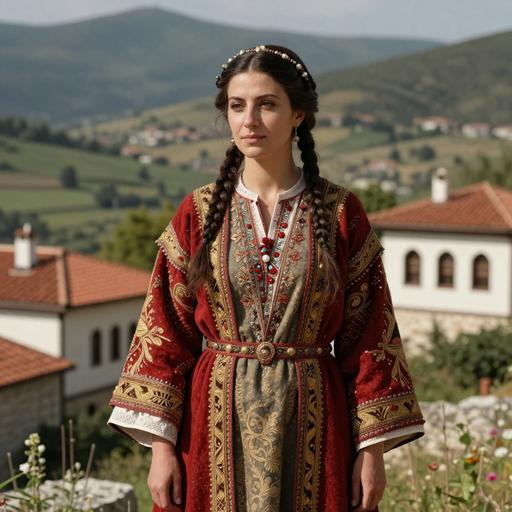
The Barç genomes, though few, form a human bridge between past and present Albania. Maternal lineages like U and X persist at low to moderate frequencies in modern Balkans populations, so these ancient samples may reflect threads of continuity that survive in contemporary gene pools. Archaeologically, the Korça region remained a crossroads—its genetic legacy is therefore likely palimpsestic, composed of long-standing local ancestry interwoven with episodic contacts from the Ottoman world and Mediterranean trade.

For modern descendants, these results underline how ancient DNA can illuminate individual stories of migration, marriage, and resilience. However, the scientific story is incomplete: more samples, including Y-chromosome and genome-wide data, are needed to map paternal lines, sex-biased mobility, and demographic shifts. In short, Barç teases a connection to the past but invites a richer, collaborative research program to reveal the deeper genetic tapestry of Albania.
  • Maternal lineages suggest possible continuity with modern Balkan populations
  • Expanded sampling and Y-DNA recovery are essential to clarify legacy
Chapter VII

Sample Catalog

2 ancient DNA samples associated with the Barç Voices: Albanian Early Modern DNA culture

Ancient DNA samples from this era, providing genetic insights into the people who lived during this period.

2 / 2 samples
Portrait Sample Country Era Date Culture Sex Y-DNA mtDNA
Portrait of ancient individual I13833 from Albania, dated 1450 CE
I13833
Albania Albania_EarlyModern 1450 CE Balkan Cultures M - X2e1
Portrait of ancient individual I13835 from Albania, dated 1644 CE
I13835
Albania Albania_EarlyModern 1644 CE Balkan Cultures F - U3b1
AI Powered

AI Assistant

Ask questions about the Barç Voices: Albanian Early Modern DNA culture

AI Assistant by DNAGENICS

Unlock this feature
Ask questions about the Barç Voices: Albanian Early Modern DNA culture. Our AI assistant can explain genetic findings, historical context, archaeological evidence, and modern connections.
Sample AI Analysis

The Barç Voices: Albanian Early Modern DNA culture represents a fascinating chapter in human history...

Genetic analysis reveals connections to earlier populations while showing evidence of unique adaptations and cultural innovations. The ancient DNA samples provide insights into migration patterns, social structures, and the biological relationships between ancient populations.

This is a preview of the AI analysis. Unlock the full AI Assistant to explore detailed insights about:

  • Genetic composition and ancestry
  • Migration patterns and origins
  • Daily life and cultural practices
  • Modern genetic legacy
Use code for 35% off Expires May 20