Menu
Store
Blog
Belize_3600BP Belize (southern Maya lowlands)

Belize ~3600 BP: A Coastal Genetic Glimpse

A solitary ancient DNA sample from Mayahak Cab Pek opens a cautious window into Late Archaic Belize

3708 CE - 35433600 BCE
1 Ancient Samples
Scroll to begin
Chapter I

The Story

Understanding the Belize ~3600 BP: A Coastal Genetic Glimpse culture

Archaeological and genetic data from a single individual dated 3708–3543 BCE at Mayahak Cab Pek (Belize) reveal an mtDNA C lineage. Limited evidence hints at pan‑American maternal ancestry amid a shifting coastal forager–horticulturalist landscape; conclusions remain highly preliminary.

Time Period

3708–3543 BCE (c. 3600 BP)

Region

Belize (southern Maya lowlands)

Common Y-DNA

No Y-DNA reported

Common mtDNA

C (single sample)

Chapter II

Timeline

Key moments in the history of this culture

3600 BCE

DNA sample dated at Mayahak Cab Pek

A single individual from Mayahak Cab Pek is dated to c. 3708–3543 BCE, providing a rare ancient DNA snapshot from Late Archaic Belize. Interpretations are highly preliminary due to the single-sample context.

Chapter III

Origins & Emergence

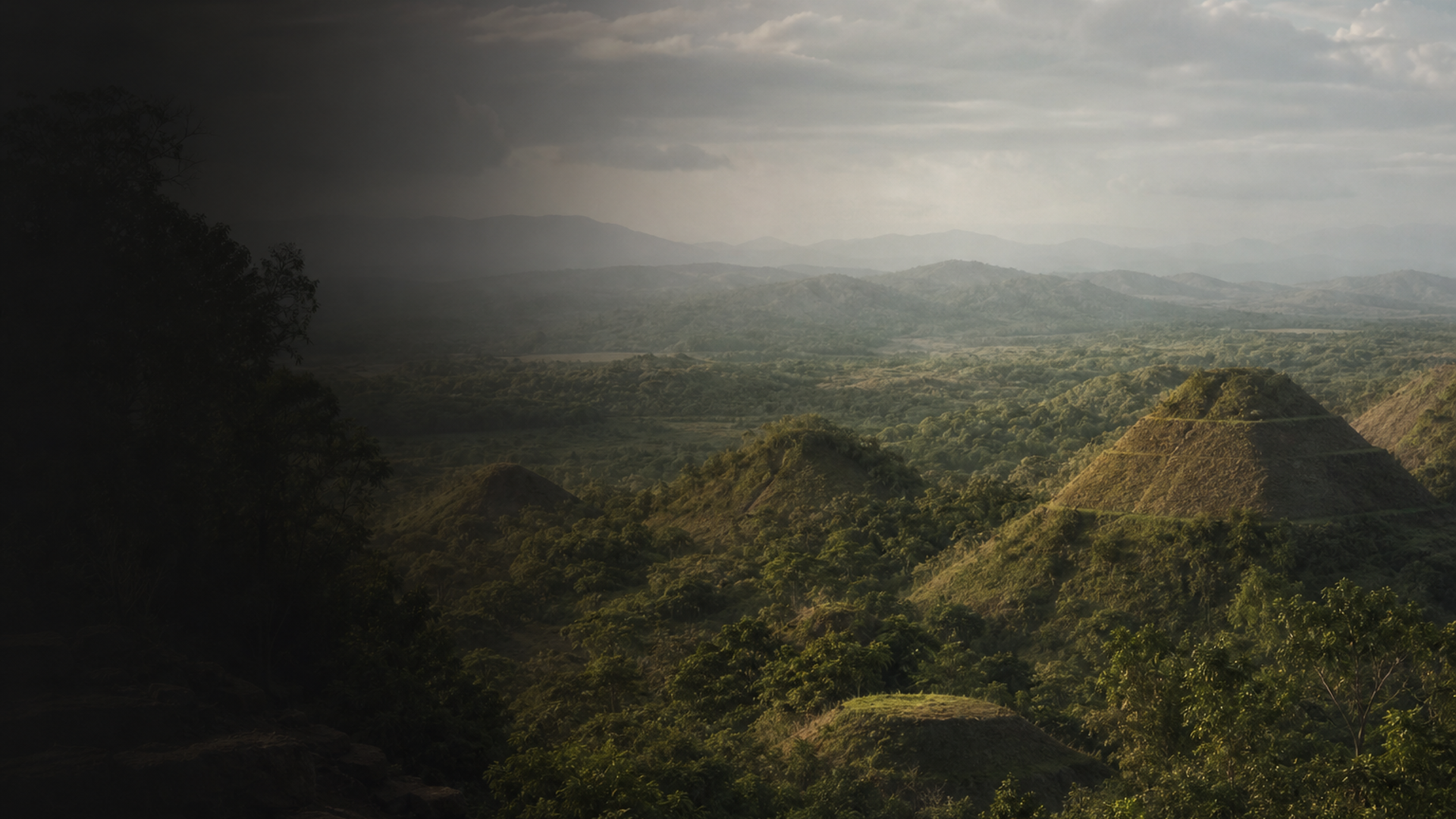
In the low, humid expanse of the southern Maya lowlands, the site of Mayahak Cab Pek preserves traces of people living around 3700–3500 BCE. Archaeological data indicates a landscape of lagoons, mangrove fringes and seasonally inundated flats where human groups exploited both terrestrial and aquatic resources. The single radiocarbon‑dated individual associated with Belize_3600BP anchors a genetic timestamp to this Late Archaic / early Formative horizon.

Limited evidence suggests these inhabitants were part of broadly connected Mesoamerican networks rather than isolated island populations. Material traces at comparable coastal and inland sites in Belize and neighboring regions show increasing investment in plant management, intensified fishing, and seasonal mobility. While the archaeological record at Mayahak Cab Pek is still being assembled, the genetic sample provides a rare direct line to the people whose tools and hearths left faint marks in the sediment.

Because only one genetic sample is available, any model of population origins must be tentative. This solitary DNA profile cannot resolve migration routes or demographic sizes, but it does permit a momentary glimpse into maternal ancestry at a time when local lifeways were transitioning. Future excavations and additional ancient genomes are needed to reveal whether this individual was typical of a persistent local lineage or an outlier among a shifting mosaic of communities.

  • Single-genome anchor for Mayahak Cab Pek dated to c. 3700–3500 BCE
  • Occupants lived in coastal/mangrove environments with mixed foraging and incipient plant use
  • Evidence points to regional interaction but demographic details remain unresolved
Chapter IV

Daily Life & Society

Imagine the rhythm of tides and the low hum of insects, a landscape where families moved between shell middens, fishing spots and seasonal gardens. Archaeological indicators from similar Belizean contexts—shell accumulations, stone flakes, hearth features and plant macroremains—suggest communities balancing fishing, hunting, and the cultivation or tending of domesticates. These lifeways were adaptive: canoe travel and littoral foraging would have complemented plant management in inland clearing and ridge-top gardens.

Social life at this scale was probably organized into small, flexible groups whose material footprint was ephemeral by tropical standards. Burials such as the one sampled at Mayahak Cab Pek are rare in wet lowland sediments; when preserved they offer powerful windows into diet, mobility and ritual. Craft production likely emphasized locally available materials—shell, bone, stone—and seasonal aggregation events may have structured exchange networks that transmitted ideas and genes across the southern lowlands.

Archaeological data indicates a people engaged in deep environmental knowledge and growing reliance on cultivated plants, but the pace and intensity of that shift varied locally. The single genetic sample complements these snapshots by providing a biological tie to daily practices otherwise inferred from artifacts and ecofacts.

  • Mixed subsistence: fishing, foraging, and early plant management
  • Small, mobile groups with seasonal aggregation and localized craft use
Chapter V

Genetic Profile

The Belize_3600BP individual yielded mitochondrial haplogroup C. Haplogroup C is one of the maternal lineages widely documented across the Americas and is considered part of the suite of founding Native American mtDNA clades. Archaeogenetic interpretation must be cautious: with only one mitochondrial genome, we can assert maternal affiliation with a pan‑American lineage but cannot infer population structure, admixture events, or demographic history with confidence.

No Y‑chromosome haplogroup is reported from this sample, and genome‑wide nuclear data are not yet available (or are limited), which restricts inferences about paternal ancestry, sex‑biased migration, or fine‑scale relationships to contemporary populations. Despite that, the presence of mtDNA C at Mayahak Cab Pek is consistent with archaeological expectations that by ~3600 BP maternally inherited lineages seen across the Americas were established in the southern lowlands.

To move beyond this single point of data, comparative analyses with additional ancient genomes from Belize and adjacent regions are essential. Genome‑wide sequences would allow tests of continuity with later Maya populations, detection of gene flow with northern or southern neighbors, and reconstruction of demographic shifts associated with the adoption of horticulture. For now, genetic evidence provides a compelling but provisional maternal snapshot of a Late Archaic coastal inhabitant.

  • mtDNA haplogroup C present — links to pan‑American maternal lineages
  • No Y‑DNA or broad genome-wide data reported; conclusions remain preliminary
Chapter VI

Legacy & Modern Connections

This genetic moment frozen at Mayahak Cab Pek resonates with the deep roots of indigenous peoples across Mesoamerica. Archaeological continuity in material traditions and landscapes suggests cultural threads that extend into later Maya and regional societies, but direct biological continuity must be demonstrated with more samples. The mtDNA C lineage observed here aligns with maternal haplogroups still found among Indigenous populations, indicating threads of shared ancestry that span millennia.

Interpreting legacy demands humility: one ancient genome cannot map cultural identity or political lineage. Instead it offers a fragment of human story—an encounter with an ancestor whose mitochondrial signature forms one strand in the tapestry of New World prehistory. Continued archaeological work and additional ancient DNA will illuminate how local communities adapted, exchanged, and persisted through changing climates and lifeways, shaping the deep genetic landscape of Belize today.

  • mtDNA C echoes maternal lineages present in contemporary indigenous groups
  • Direct claims of continuity require more ancient genomes and archaeological linkage
Chapter VII

Sample Catalog

1 ancient DNA samples associated with the Belize ~3600 BP: A Coastal Genetic Glimpse culture

Ancient DNA samples from this era, providing genetic insights into the people who lived during this period.

1 / 1 samples
Portrait Sample Country Era Date Culture Sex Y-DNA mtDNA
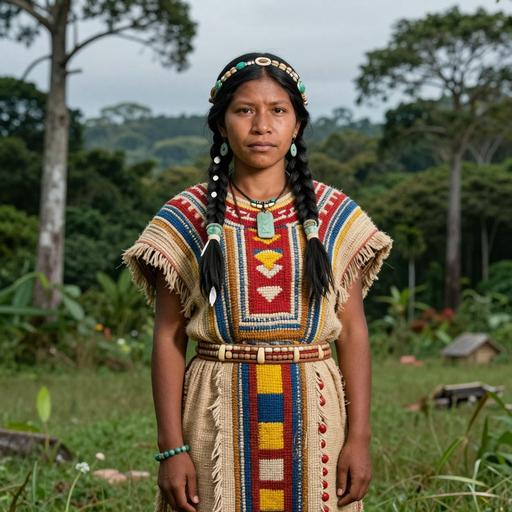
Portrait of ancient individual I24540 from Belize, dated 3708 BCE
I24540
Belize Belize_3600BP 3708 BCE Maya Civilization F - C
AI Powered

AI Assistant

Ask questions about the Belize ~3600 BP: A Coastal Genetic Glimpse culture

AI Assistant by DNAGENICS

Unlock this feature
Ask questions about the Belize ~3600 BP: A Coastal Genetic Glimpse culture. Our AI assistant can explain genetic findings, historical context, archaeological evidence, and modern connections.
Sample AI Analysis

The Belize ~3600 BP: A Coastal Genetic Glimpse culture represents a fascinating chapter in human history...

Genetic analysis reveals connections to earlier populations while showing evidence of unique adaptations and cultural innovations. The ancient DNA samples provide insights into migration patterns, social structures, and the biological relationships between ancient populations.

This is a preview of the AI analysis. Unlock the full AI Assistant to explore detailed insights about:

  • Genetic composition and ancestry
  • Migration patterns and origins
  • Daily life and cultural practices
  • Modern genetic legacy
Use code for 35% off Expires May 20