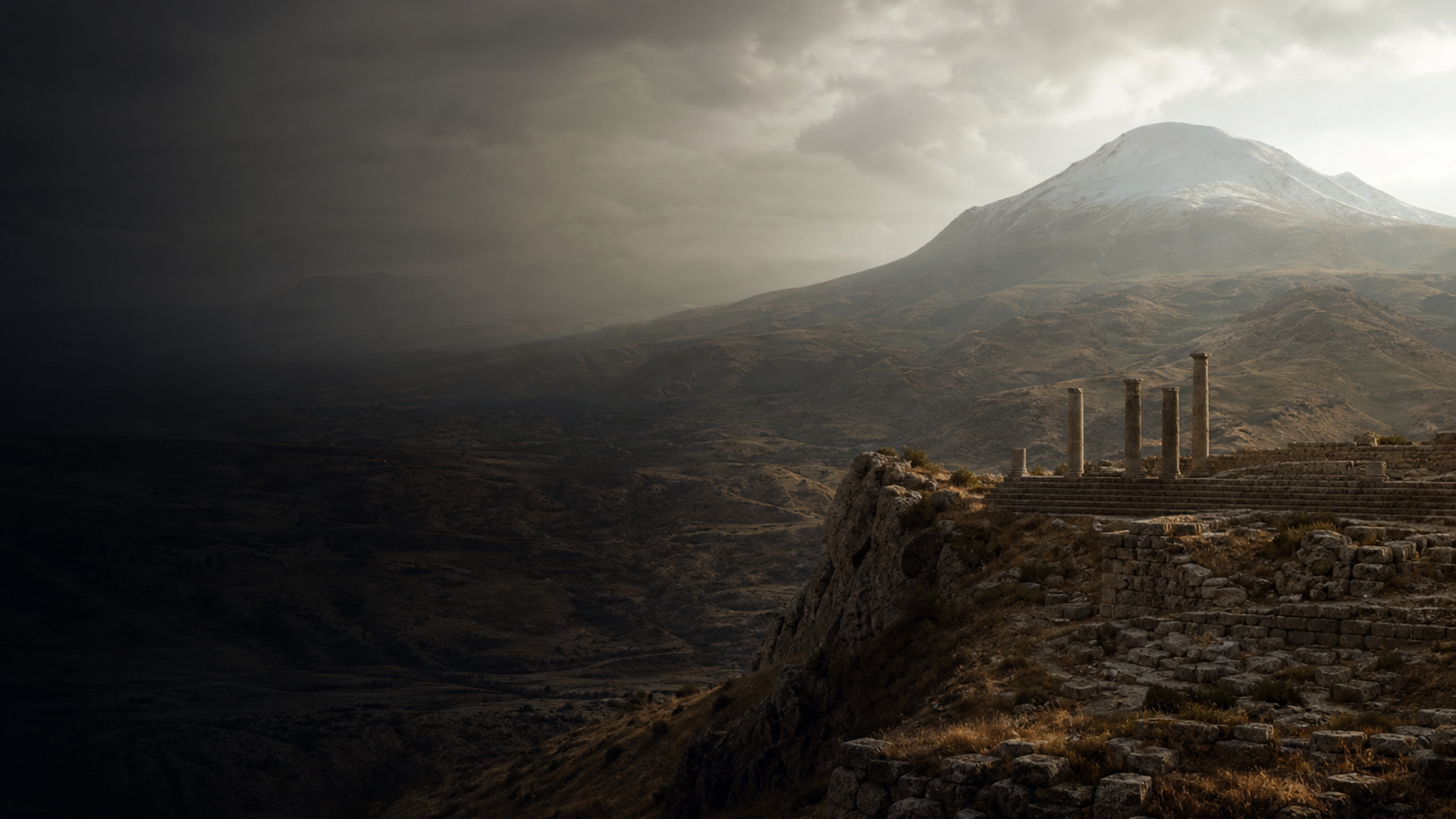
Archaeological inference about daily life around Beniamin must be careful given the limited dataset. Nonetheless, material culture across the Shirak region in the Hellenistic era implies agrarian livelihoods in upland valleys, pastoral transhumance on surrounding slopes, and village networks connected by trade routes that funneled goods, ideas, and people.
Settlement archaeology in nearby sites records storage architecture, ceramics with both local and imported forms, and metallurgical objects that speak to craft specialization. Social life likely balanced kin-based village organization with emerging elite expressions — public displays, imported goods, or burial distinctions — that reflected Hellenistic social fashions without erasing local customs. Funerary practice at Beniamin, while singular, evokes this tension: individual burial treatments can carry signals of identity, status, and external connection, but one grave cannot map the full spectrum of community life.
Limited burial evidence cautions against broad social reconstruction; instead, Beniamin should be read as a vivid, small-window narrative of how one life sat within a culturally layered landscape.