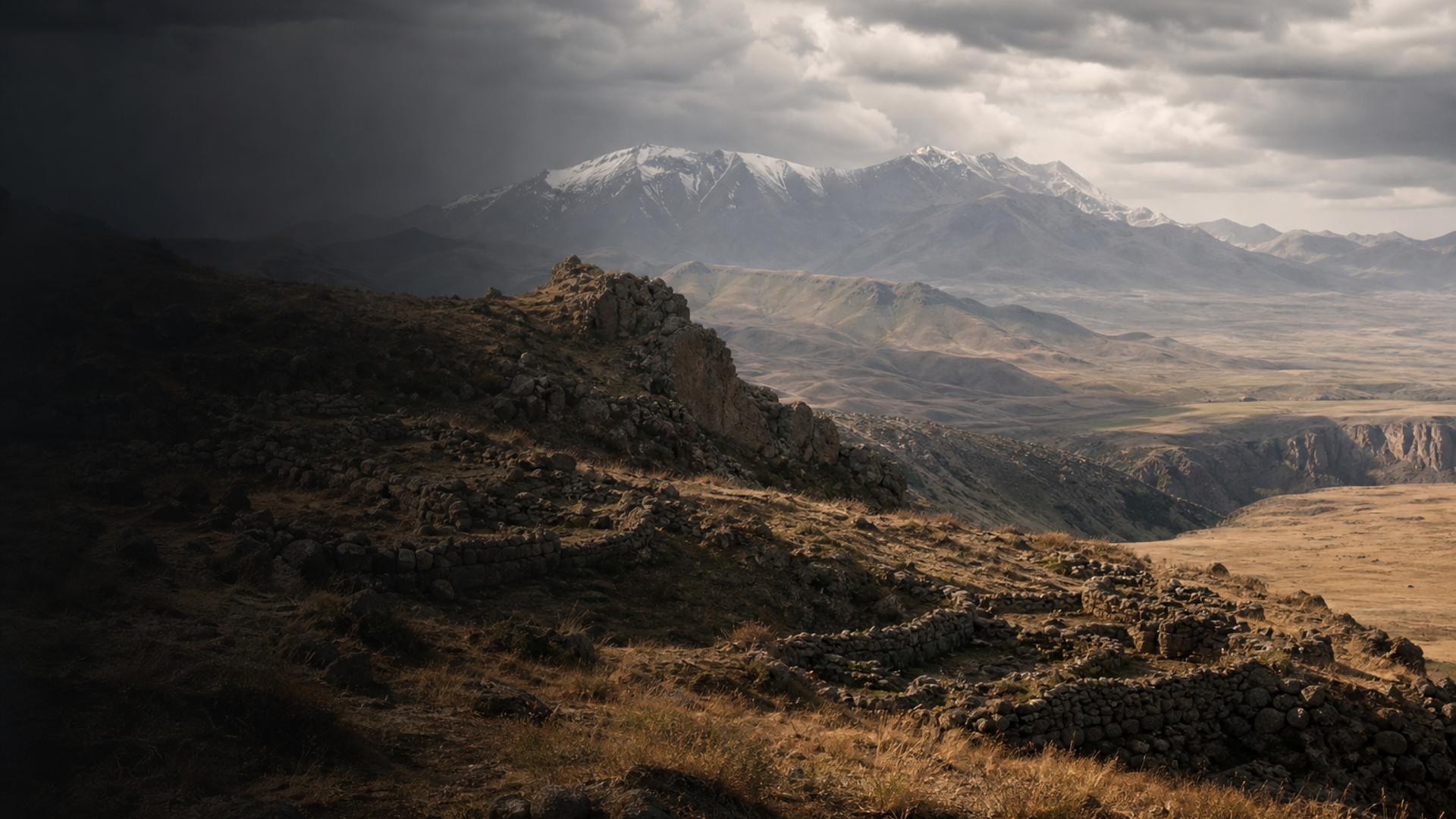
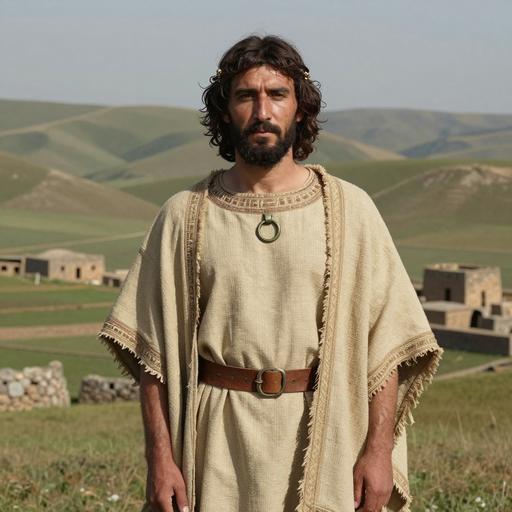
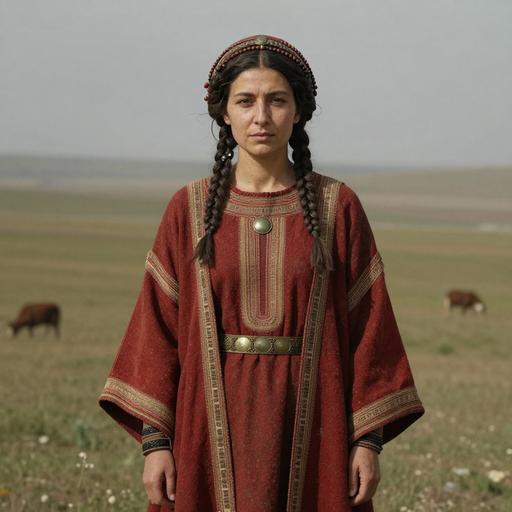
Archaeological traces at Beniamin evoke a landscape of seasonal rhythms and household craft, where pastoral corridors met cultivated plots. Excavations revealed funerary contexts rather than extensive habitation layers, so reconstructions of daily life rely on comparative evidence from nearby Late Bronze Age settlements in the Armenian highlands. Archaeological data indicates communities combined small-scale farming, herding, and specialized production — a mixed economy capable of sustaining villages through variable mountain climates.
Grave goods and burial treatment, where present, hint at social differentiation: variations in assemblages and positioning can reflect age, gendered roles or status, though the tiny sample size from Beniamin prevents strong claims. Ceramics and portable objects suggest practical domestic activities alongside symbolic traditions tied to ancestry and place. Evidence from contemporaneous sites shows craft specialists — metalworkers and potters — circulating ideas and objects across valleys, and Beniamin likely participated in those networks to some degree.
Landscape use was pivotal: seasonal pastures, spring water sources, and routes connecting to larger settlement centers structured mobility and exchange. The overall picture is of resilient communities negotiating scarce resources and long-distance ties, with daily life anchored in both household labor and broader social connections.