Menu
Store
Blog
Shirak Province, Armenia

Beniamin LBA — Shirak Highlands

Two Late Bronze Age genomes from Beniamin reveal a whisper of ancient Armenian Highland life

1492 CE - 1261 BCE
Scroll to begin
Chapter I

The Story

Understanding the Beniamin LBA — Shirak Highlands culture

Archaeogenetic and archaeological evidence from Beniamin (Shirak Province, Armenia) dates to 1492–1261 BCE. With only two samples, findings are preliminary but connect Late Bronze Age local communities to broader Caucasus and steppe interactions.

Time Period

1492–1261 BCE

Region

Shirak Province, Armenia

Common Y-DNA

Undetermined — limited data (2 samples)

Common mtDNA

Undetermined — limited data (2 samples)

Chapter II

Timeline

Key moments in the history of this culture

1492 BCE

Earliest sampled individual from Beniamin

One of the two genetic samples from Beniamin dates near 1492 BCE, marking an early Late Bronze Age presence in Shirak Province.

Chapter III

Origins & Emergence

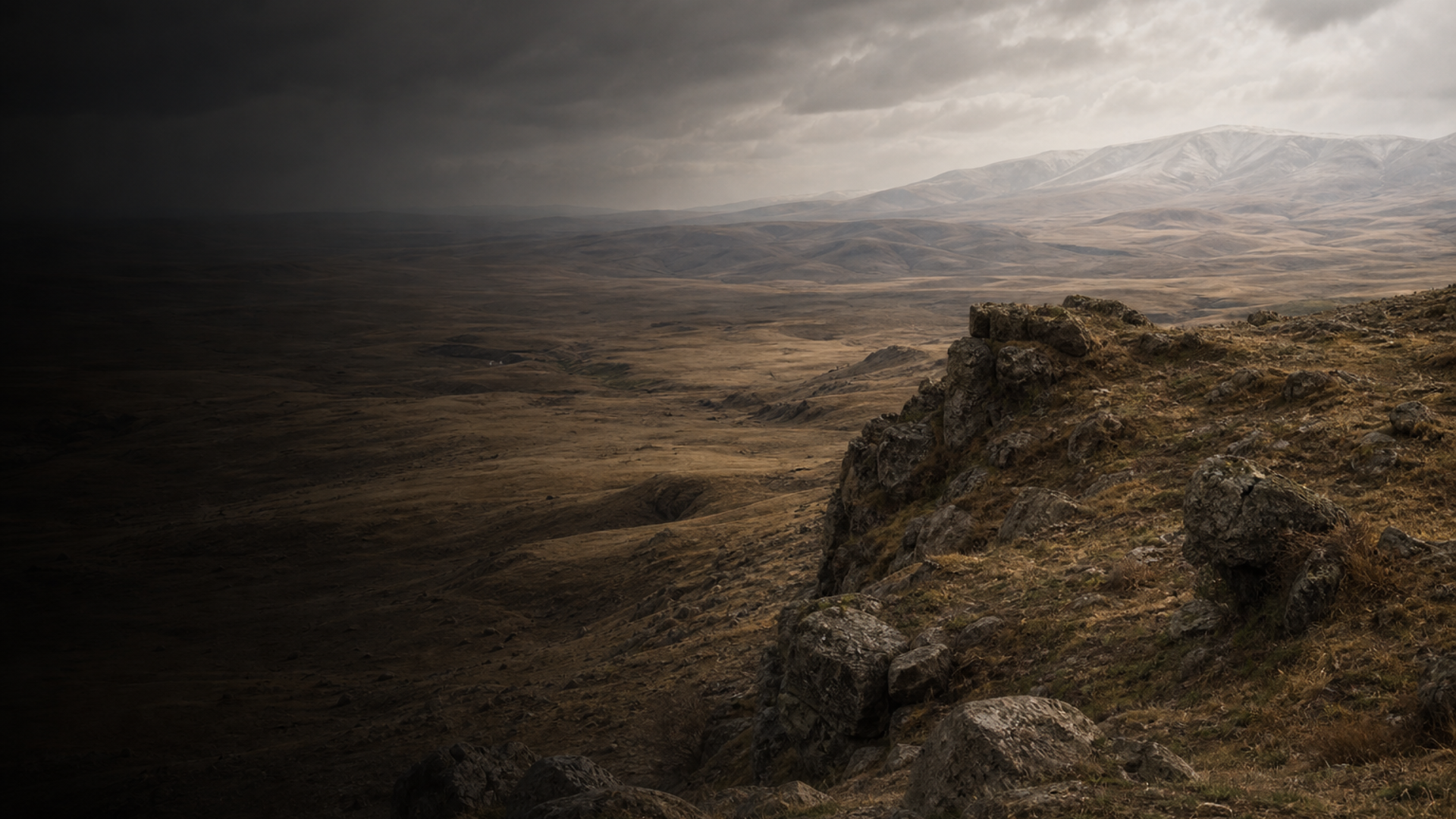
The Beniamin assemblage sits within the cinematic sweep of the Armenian Highlands in the Late Bronze Age. Dated between 1492 and 1261 BCE, the two sampled individuals come from Beniamin in Shirak Province — a landscape of high plateaus and river-fed valleys that threaded local communities into long-distance networks. Archaeological data indicates that this period in the Highlands was one of intensified metalworking, shifting settlement patterns, and interaction between lowland Anatolian polities and upland Caucasus groups.

Limited evidence suggests continuity with earlier Chalcolithic and Early Bronze Age traditions alongside new influences: trade in bronze and prestige goods, and mobile pastoral lifeways that linked mountain pastures with fertile plains. At Beniamin itself, the contextual information is sparse; thus, interpretations must remain cautious. The two genomes offer a first glimpse into the human presence here at a time when landscapes and loyalties were in flux. They may reflect local lineages that had long roots in the Highlands, tempered by contacts—economic, cultural, and possibly biological—with neighboring regions.

Because of the tiny sample size, any broad narrative about population movement, cultural shift, or linguistic change in the Armenian Late Bronze Age must remain provisional.

  • Samples dated 1492–1261 BCE from Beniamin, Shirak Province
  • Region shows continuity and external contacts in the Late Bronze Age
  • Interpretations are preliminary due to small sample count
Chapter IV

Daily Life & Society

Archaeological patterns across Late Bronze Age sites in the Armenian Highlands paint a portrait of resilient, adaptive communities. Daily life likely balanced agriculture in fertile valleys with seasonal pastoralism on upland pastures. Material culture from contemporary regional sites—ceramics, metal tools, and remnants of craft production—suggests skilled artisanship and integration into trade networks that funneled metals and luxury items across the Near East.

Although specific grave goods or architectural remains from Beniamin are not extensively published, the lifeworld inferred for its inhabitants would have included communal rites, household production, and exchange relationships with nearby settlements. Fortified tells and open hamlets known elsewhere in the Highlands indicate variable settlement strategies in response to ecological and social pressures. Women and men would have managed mixed economies; children learned craft and herd management as part of an intergenerational transmission of skills.

The cinematic image is of smoke rising from hearths beneath star-pierced mountain skies, herds moving along ancient tracks, and metalworkers hammering bronze by lamplight. Yet this evocative scene must be balanced with caution: archaeological data specific to Beniamin is limited, and many reconstructions rely on broader regional analogies rather than site-specific evidence.

  • Mixed farming and seasonal pastoralism typical in the Highlands
  • Craft specialization and trade linked Beniamin to regional networks
Chapter V

Genetic Profile

The genetic evidence from Beniamin is extremely limited: only two Late Bronze Age individuals dated to 1492–1261 BCE. Neither robust Y-DNA nor mitochondrial haplogroup patterns can be established for the population based on so few samples; published markers for common Y or mtDNA haplogroups are not reported here, and any frequency claims would be premature.

That said, broader ancient DNA research in the southern Caucasus and Armenian Highlands during the Bronze Age points to complex ancestry layers: a long-standing local Caucasus-related substrate dating to Neolithic and Chalcolithic periods, combined in the Bronze Age with incoming gene flow related to steppe-associated groups and continued interaction with Anatolian and Near Eastern populations. These regional patterns provide a contextual backdrop for the Beniamin genomes: they may reflect local Highland ancestry with varying degrees of admixture from neighboring regions.

Because the sample count is two, conclusions about demographic processes, sex-biased migration, or continuity with modern Armenians remain speculative. Future sampling from Beniamin and surrounding Shirak sites would be required to test whether these individuals are representative of a broader local gene pool or outliers within a dynamic Late Bronze Age landscape.

  • Only two genomes available — conclusions are highly preliminary
  • Contextual regional aDNA shows Caucasus substrate plus Bronze Age admixture
Chapter VI

Legacy & Modern Connections

The whisper of Beniamin’s two Late Bronze Age genomes reaches forward into deep time but must be heard with care. Archaeogenetic studies across the Armenian Highlands suggest partial continuity between Bronze Age populations and later inhabitants of the Caucasus; however, local demographic histories are complex, with multiple episodes of migration and admixture over millennia. The Beniamin data contribute a small but valuable strand to this tapestry.

For modern descendants in Armenia and the broader Caucasus, the archaeological and genetic record offers a sense of rootedness in a rugged landscape shaped by human ingenuity. Yet the link between these two individuals and contemporary communities cannot be asserted with confidence: the sample size is too small, and genetic drift, later migrations, and sociocultural changes have all reshaped gene pools since the Late Bronze Age. Continued excavation, careful contextual analysis, and expanded aDNA sampling will be necessary before stronger claims of continuity or ancestry can be made. Until then, Beniamin stands as an evocative, early chapter in the long human story of the Armenian Highlands.

  • Suggests possible threads of continuity with later populations, but uncertain
  • More sampling needed to clarify connections to modern Armenians
AI Powered

AI Assistant

Ask questions about the Beniamin LBA — Shirak Highlands culture

AI Assistant by DNAGENICS

Unlock this feature
Ask questions about the Beniamin LBA — Shirak Highlands culture. Our AI assistant can explain genetic findings, historical context, archaeological evidence, and modern connections.
Sample AI Analysis

The Beniamin LBA — Shirak Highlands culture represents a fascinating chapter in human history...

Genetic analysis reveals connections to earlier populations while showing evidence of unique adaptations and cultural innovations. The ancient DNA samples provide insights into migration patterns, social structures, and the biological relationships between ancient populations.

This is a preview of the AI analysis. Unlock the full AI Assistant to explore detailed insights about:

  • Genetic composition and ancestry
  • Migration patterns and origins
  • Daily life and cultural practices
  • Modern genetic legacy
Use code for 35% off Expires May 20