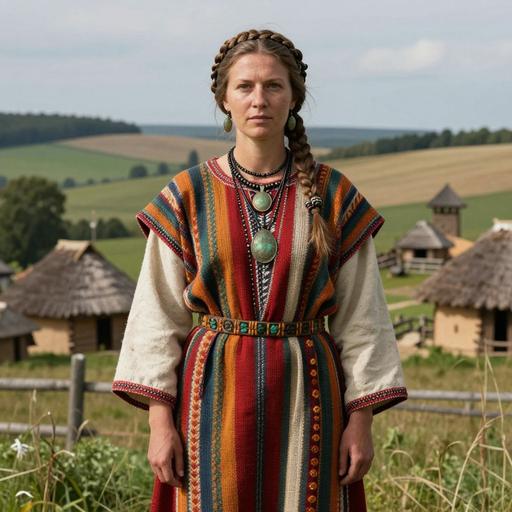
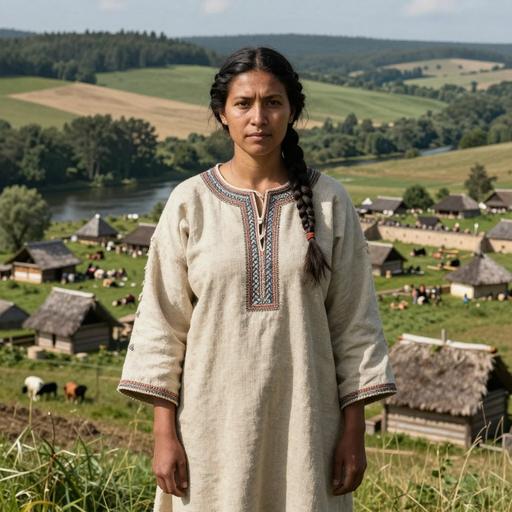
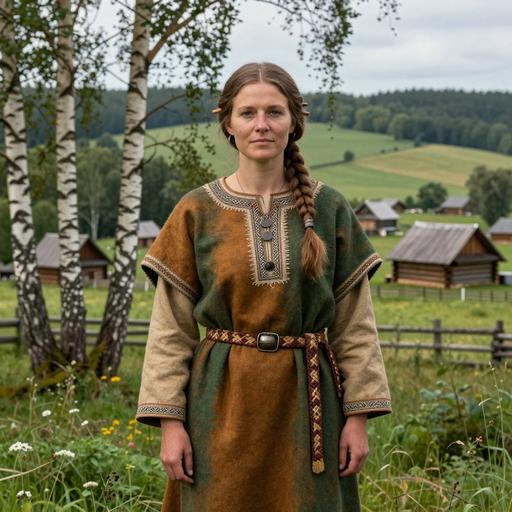
Archaeological data indicates that from the late 8th century CE this cluster of sites—Niemcza (Lower Silesian Province), Markowice (Kuyavian-Pomeranian), Groszowice (Opole), Ostrów Lednicki (Greater Poland) and Milicz—contained material traits described as "Celtic‑influenced." These traits appear layered onto local Iron Age traditions (Groszowice, Markowice, Milicz, Niemcza, Ostrów Lednicki cultures), suggesting a regional palimpsest of styles rather than a wholesale population replacement.
Artifacts such as weapon fittings, fibulae variants, ring‑motifs and ornamental metalwork reflect iconographic links to La Tène‑style art but are often hybridized with distinct local forms. Radiocarbon dates and stratigraphic contexts place primary activity across the 776–1200 CE window, a period of intense cultural reorganization in Central Europe.
Limited evidence suggests these stylistic currents traveled via trade, craftsmen mobility, and perhaps elite emulation, rather than simple mass migration. Archaeological layers at Ostrów Lednicki and Niemcza include fortified enclosures and craft production zones that imply social centers capable of absorbing foreign motifs.
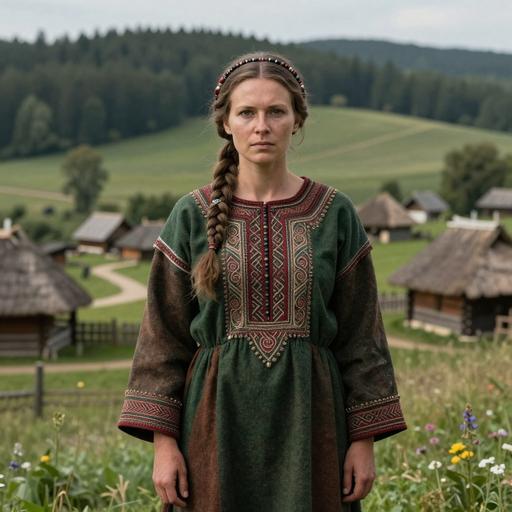
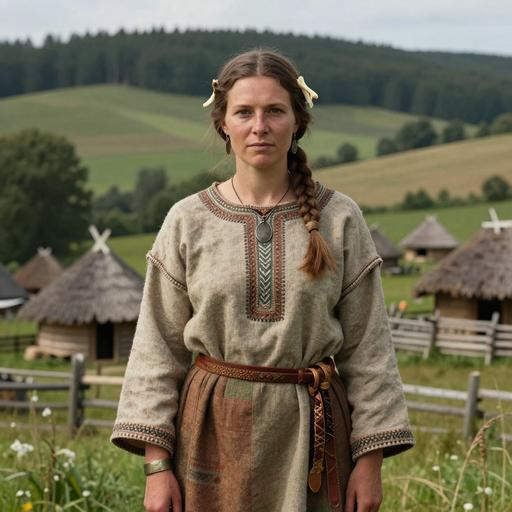
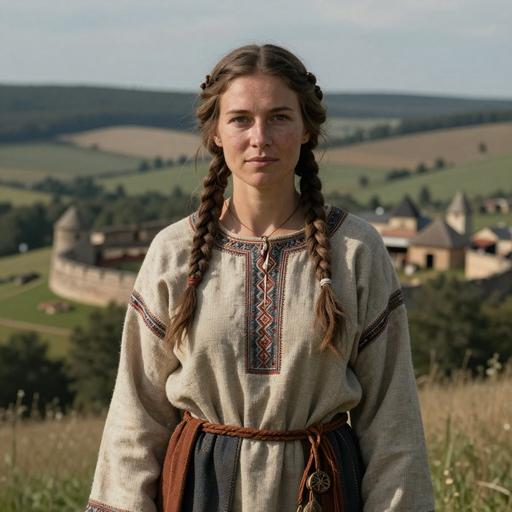
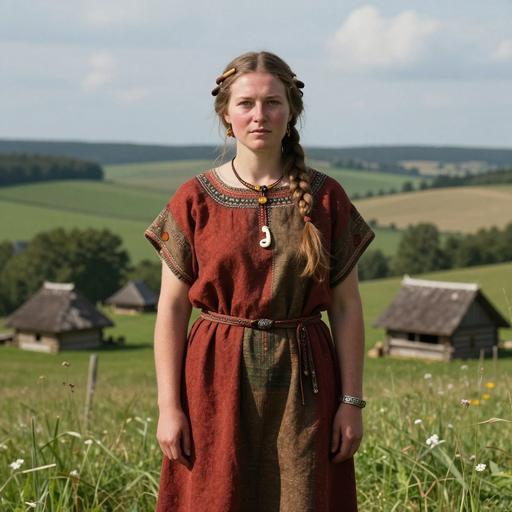
Cinematic image: imagine a riverside workshop where local smiths reforge imported styles into new, regionally recognized objects—each piece a visible trace of cultural conversation.
- Hybrid material culture links La Tène motifs with local Iron Age forms
- Sites show fortification and craft activity from late 8th to early 13th century
- Evidence favors cultural diffusion and elite adoption over wholesale replacement