Menu
Store
Blog
Bahamas_CrookedIsl_Ceramic Crooked Island, Bahamas

Crooked Island Ceramic Voices

Fragmentary ceramic communities on Crooked Island, seen through shards and DNA

900 CE - 1500 CE
3 Ancient Samples
Scroll to begin
Chapter I

The Story

Understanding the Crooked Island Ceramic Voices culture

Archaeological and genetic clues from Crooked Island (900–1500 CE) reveal small Ceramic-period communities with Indigenous American lineages (mtDNA C1b, Y Q). Limited samples make conclusions preliminary; data hint at maternal continuity and Caribbean connections.

Time Period

900–1500 CE

Region

Crooked Island, Bahamas

Common Y-DNA

Q (observed)

Common mtDNA

C1b (observed)

Chapter II

Timeline

Key moments in the history of this culture

900 CE

Ceramic communities established on Crooked Island

Onset of locally attested Ceramic-period occupation on Crooked Island, marked by diagnostic pottery, shell middens, and small settlements (900 CE).

Chapter III

Origins & Emergence

The ceramic horizons on Crooked Island belong to the broader Caribbean Ceramic tradition that reached the Bahamas during the first millennium CE. Archaeological data indicates occupation on Crooked Island between roughly 900 and 1500 CE, identified through diagnostic pottery styles, shell middens, and occasional buried deposits. Excavations at named and unnamed localities on Crooked Island have produced earthenware sherds with incised and punctate decoration characteristic of Ceramic-period assemblages across the northern Caribbean.

Limited radiocarbon determinations place community activity well into the Late Ceramic period, but stratigraphic disturbance and sparse contexts mean chronology remains provisional. Material culture suggests cultural connections to Ceramic-producing populations from Hispaniola and the Greater Antilles, though localized styles and resource use imply adaptation to the Bahamian atoll environment.

Genetic sampling from three individuals tied to Crooked Island contexts provides an initial molecular window into origins. Because the sample count is very small, interpretations must be cautious: these remains hint at Indigenous American ancestry coherent with northward and island-hopping dispersals of Ceramic-era peoples, but broader population dynamics remain unresolved. Ongoing fieldwork and more ancient DNA samples are needed to refine migration and interaction models.

  • Ceramic traditions present from c. 900 CE to 1500 CE
  • Pottery, shell middens, and burial deposits inform chronology
  • Sparse radiocarbon dates and small sample sizes make origins tentative
Chapter IV

Daily Life & Society

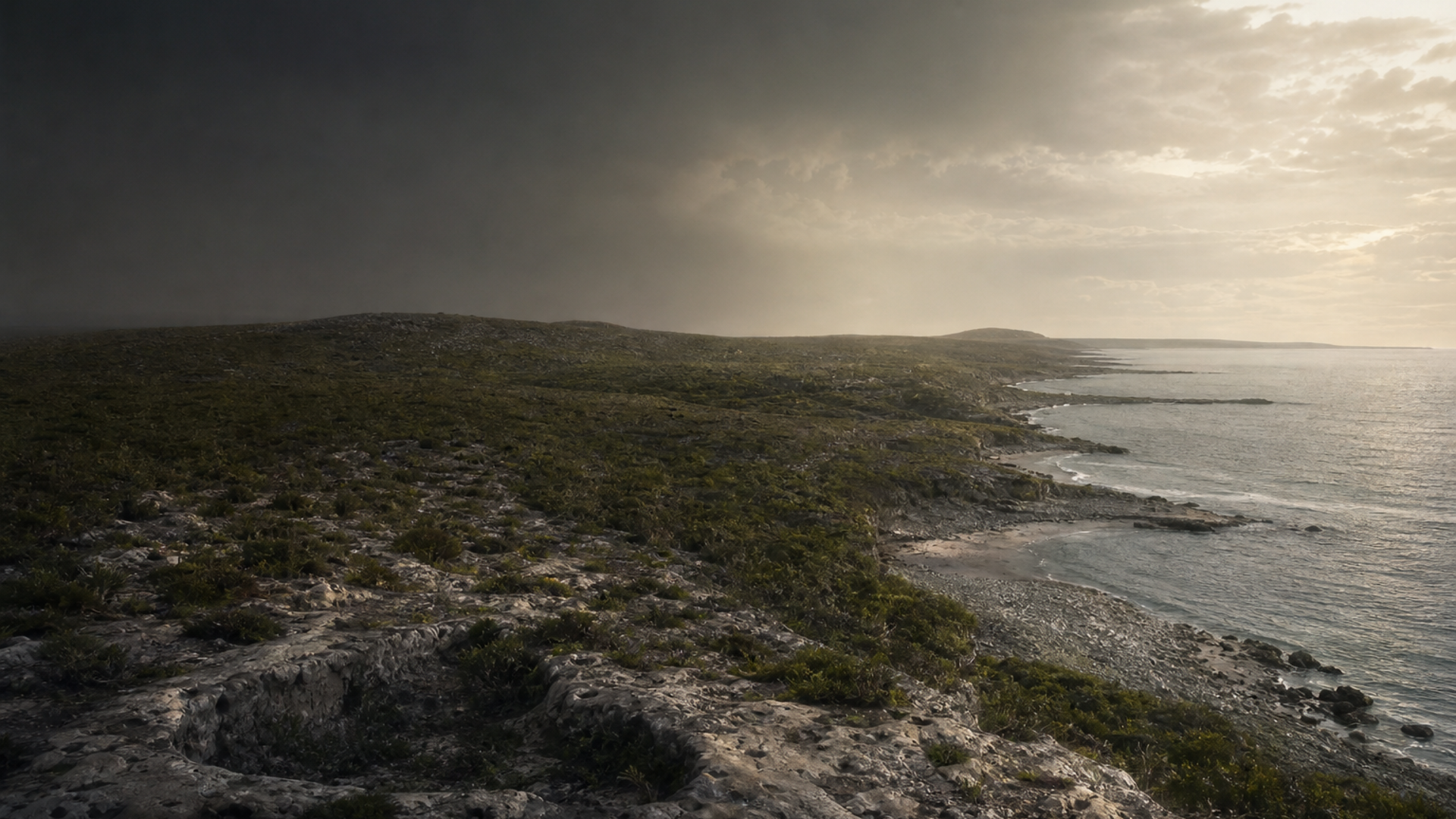
Archaeological data paints a maritime lifeway: communities on Crooked Island exploited reefs, seagrass beds, and shallow lagoons. Shellfish (conch, bivalves), fish caught with hooks or nets, and small-scale horticulture of root crops and possibly introduced staples would have structured daily sustenance. Ceramic vessels, often collared or simple bowls, probably served in cooking and storage; their wear patterns and soot suggest intensive use over hearths.

Settlement traces—low shell middens, posthole patterns, and scattered activity areas—suggest small, mobile or semi-sedentary hamlets rather than large agglomerations. Craft activities likely included shell tool production, bone working, and pottery manufacture, though organic craft remains (wood, fiber) rarely survive in the Bahamian tropics. Social life most likely revolved around kin groups with fluid interaction networks linking neighboring cays and the Greater Antilles.

Burial practices are known from few contexts and are often fragmentary; when present, they provide crucial biological material for genetic study but also highlight ethical imperatives for descendant-community consultation. The archaeological picture is cinematic yet incomplete—small ateliers of daily life carved from coral and wave, glimpsed through shards and midden layers.

  • Marine-focused diet: fish, conch, bivalves, with horticultural supplements
  • Small hamlets and craft production; organic materials rarely preserved
Chapter V

Genetic Profile

Three ancient individuals sampled from Crooked Island contexts produced consistent signals of Indigenous American ancestry. Mitochondrial haplogroup C1b appears in two individuals, while one male carried Y-chromosome haplogroup Q. These lineages are part of the broader pan-American genetic heritage that traces back to late Pleistocene and early Holocene dispersals across Beringia and into the Americas.

Because only three samples are available, and geographic coverage is limited to Crooked Island (one site named and one recorded as Unknown Site), any demographic inferences are preliminary. Nevertheless, the presence of C1b on Crooked Island aligns with mtDNA profiles seen elsewhere in the Caribbean and on adjacent mainland coasts, suggesting maternal continuity or shared maternal ancestry across islands. The single Q Y-chromosome is likewise consistent with Indigenous male lineages known in the region, but the sample size is too small to assess patterns of sex-biased migration or localized drift.

Genetic data should be integrated with pottery typologies, isotopic diet data where available, and regional ancient DNA from the Greater Antilles to test models of colonization, inter-island mobility, and population replacement. Limited evidence suggests these Crooked Island occupants were part of island-to-island networks rather than isolated founder pockets, but future sampling is essential to move from suggestive snapshots to robust narratives.

  • mtDNA C1b found in 2 samples; Y-DNA Q in 1 sample
  • Very small sample size (<10) — conclusions are provisional
Chapter VI

Legacy & Modern Connections

The fragile threads from Crooked Island reach into modern Bahamian heritage. Genetic lineages observed—C1b and Q—echo Indigenous American ancestries that contributed to pre-contact Caribbean populations. Archaeological continuity in pottery and subsistence hints at cultural practices that endured until the dramatic disruptions of European contact in the late 15th and 16th centuries.

However, the archaeological and genetic record here is fragmentary. Limited sampling means we cannot yet map direct lines from these ancient individuals to living Bahamian communities. Ethical engagement with local and descendant communities, and collaborative research that expands sampling and contextualizes finds within oral histories and archival records, is essential. Each additional excavation, radiocarbon date, and ancient genome will turn cinematic glimpses into a fuller portrait of Crooked Island’s Ceramic-period people and their place in Caribbean history.

  • Genetic lineages reflect Indigenous American ancestry in the pre-contact Bahamas
  • Expanded sampling and community collaboration are needed for clearer links
Chapter VII

Sample Catalog

3 ancient DNA samples associated with the Crooked Island Ceramic Voices culture

Ancient DNA samples from this era, providing genetic insights into the people who lived during this period.

3 / 3 samples
Portrait Sample Country Era Date Culture Sex Y-DNA mtDNA
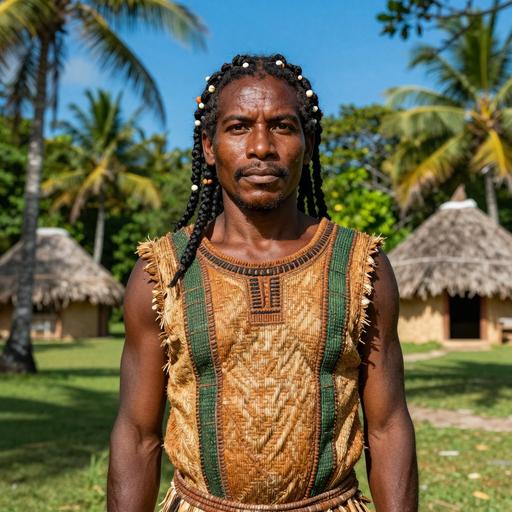
Portrait of ancient individual I13318 from Bahamas, dated 900 CE
I13318
Bahamas Bahamas_CrookedIsl_Ceramic 900 CE Taino M Q-M902 C1b
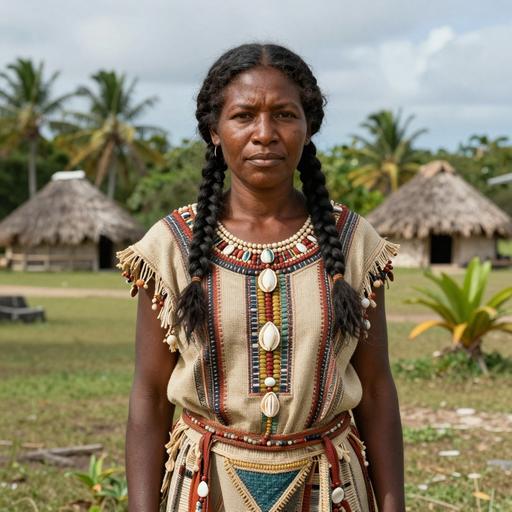
Portrait of ancient individual I13319 from Bahamas, dated 900 CE
I13319
Bahamas Bahamas_CrookedIsl_Ceramic 900 CE Taino F - C1b
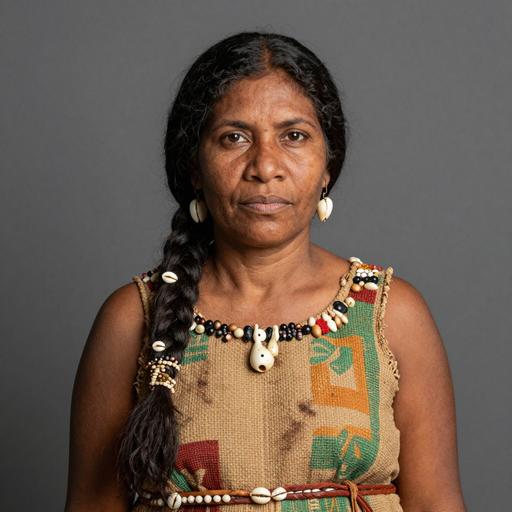
Portrait of ancient individual I13255 from Bahamas, dated 900 CE
I13255
Bahamas Bahamas_CrookedIsl_Ceramic 900 CE Taino F - -
AI Powered

AI Assistant

Ask questions about the Crooked Island Ceramic Voices culture

AI Assistant by DNAGENICS

Unlock this feature
Ask questions about the Crooked Island Ceramic Voices culture. Our AI assistant can explain genetic findings, historical context, archaeological evidence, and modern connections.
Sample AI Analysis

The Crooked Island Ceramic Voices culture represents a fascinating chapter in human history...

Genetic analysis reveals connections to earlier populations while showing evidence of unique adaptations and cultural innovations. The ancient DNA samples provide insights into migration patterns, social structures, and the biological relationships between ancient populations.

This is a preview of the AI analysis. Unlock the full AI Assistant to explore detailed insights about:

  • Genetic composition and ancestry
  • Migration patterns and origins
  • Daily life and cultural practices
  • Modern genetic legacy
Use code for 30% off Expires May 17