Menu
Store
Blog
Denmark_Medieval Denmark

Danish Kingdom: Medieval Lives in DNA

Churchyards, towns, and genomes trace Denmark's population between 1000–1800 CE

1000 CE - 1800 CE
68 Ancient Samples
Scroll to begin
Chapter I

The Story

Understanding the Danish Kingdom: Medieval Lives in DNA culture

Archaeological and genetic evidence from 68 medieval and early modern Danish individuals (1000–1800 CE) illuminates population structure in Denmark. Samples from Aalborg, Tjærby, and Holbæk show predominantly Northern European maternal and paternal lineages with occasional southern or eastern signals.

Time Period

1000–1800 CE

Region

Denmark

Common Y-DNA

R (21), I (16), N (1), E (1)

Common mtDNA

H (19), U (13), J (6), T (6), K (4)

Chapter II

Timeline

Key moments in the history of this culture

1536 CE

Reformation alters burial practices

The 1536 Lutheran Reformation in Denmark changed church control and funerary customs, affecting parish burial patterns and cemetery use across Denmark.

Chapter III

Origins & Emergence

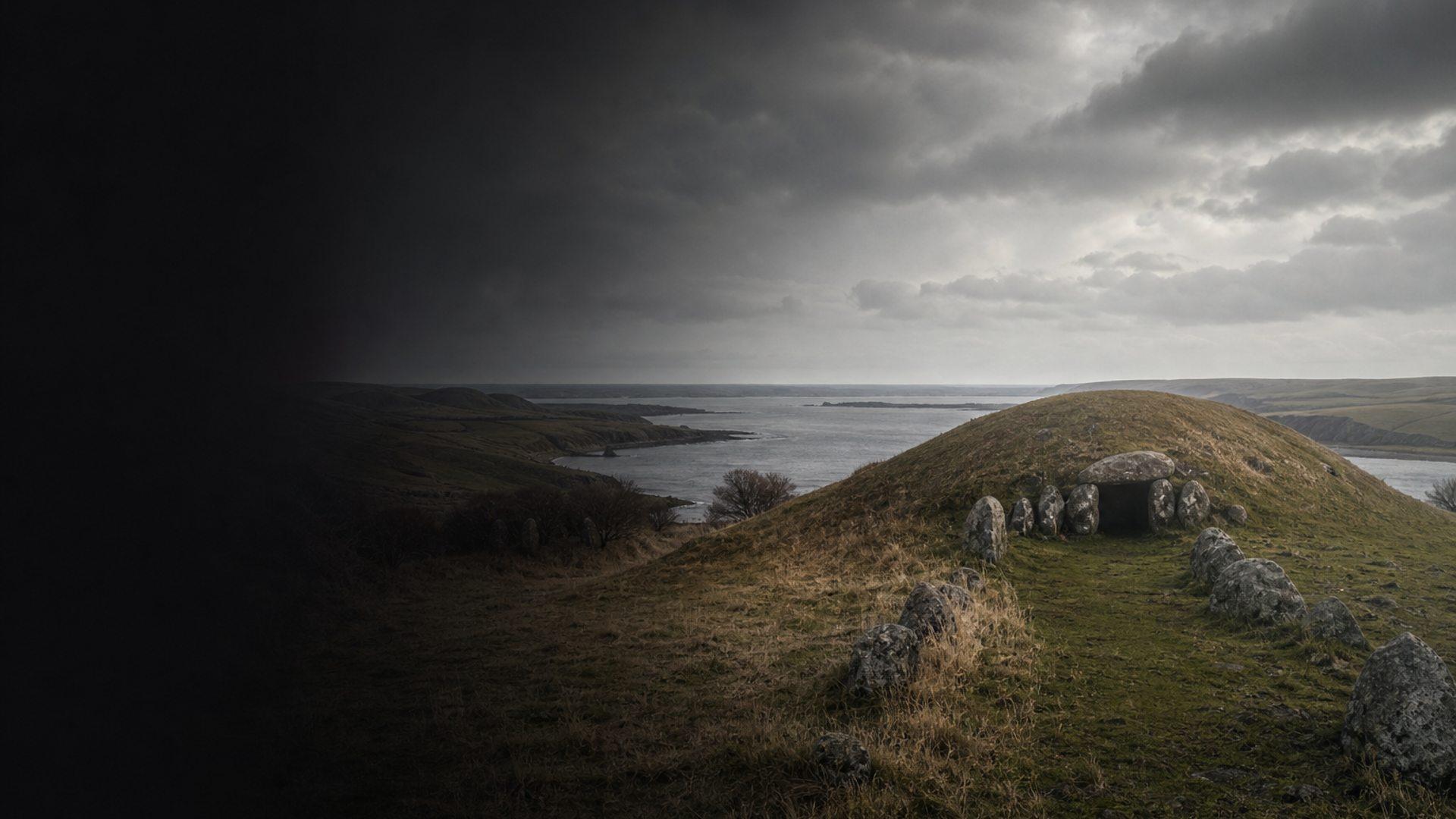
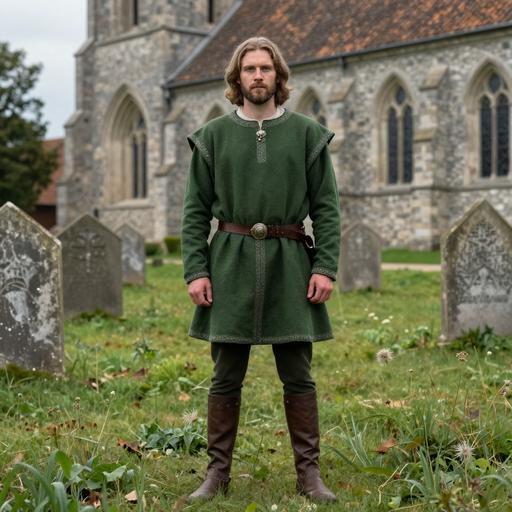
Denmark in the medieval era was a crucible where Viking legacies, continental contacts, and local farming communities met. Archaeological data indicates continuous occupation of towns and parishes from the Viking Age into the late medieval and early modern period, with churchyards and urban cemeteries replacing earlier burial mounds. The samples in this collection derive from three well-documented contexts: Vor Frue Kirkegård (Aalborg), a city churchyard with stratified medieval layers; Tjærby in Randers Municipality, representing a rural parish; and the urban excavation at Ahlgade 15–17 in Holbæk. Radiocarbon-constrained graves and associated stratigraphy place these individuals between 1000 and 1800 CE, spanning the consolidation of Danish monarchy, the Black Death in the mid-14th century, and later Reformation-era transformations.

Archaeological evidence suggests shifting demography: expanding towns, periodic mortality crises (notably mid-1300s plague), and rising parish organization. Genetically, these populations are rooted in long-standing northern European ancestries, but archaeology reminds us of continual movement—merchants, mercenaries, clergy, and brides—creating a dynamic human landscape. While 68 individuals give a robust local picture, they do not sample every parish; regional diversity within Denmark requires broader sampling to confirm island-to-mainland differences and urban–rural contrasts.

  • Samples from churchyards and urban excavations: Aalborg, Tjærby, Holbæk
  • Time span covers pre- and post-Black Death and the Reformation
  • Archaeology shows continuity of occupation and shifting burial practices
Chapter IV

Daily Life & Society

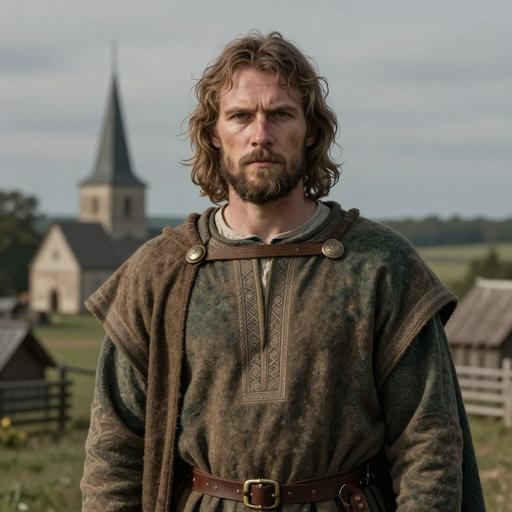
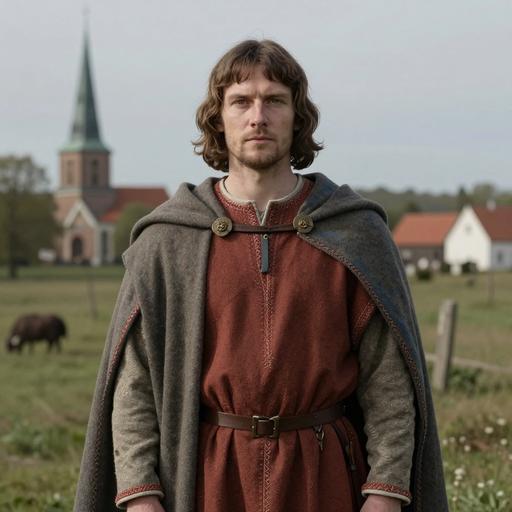
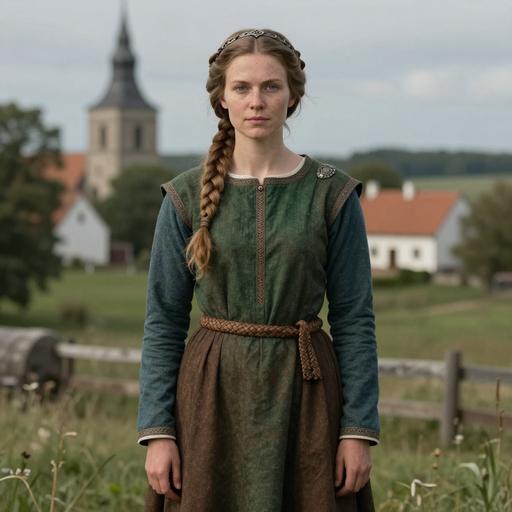
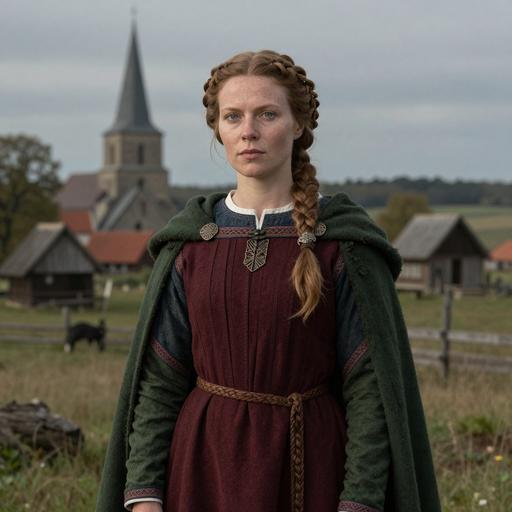
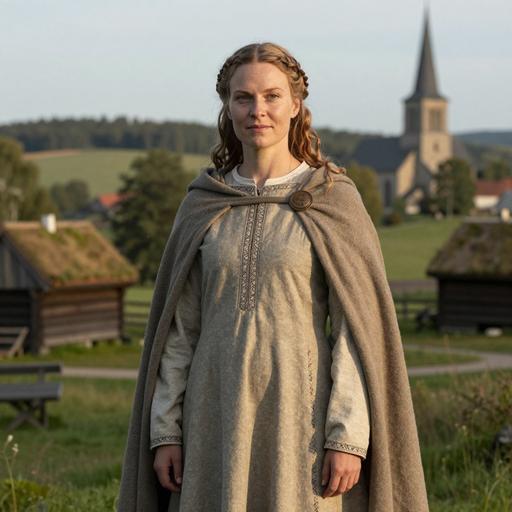
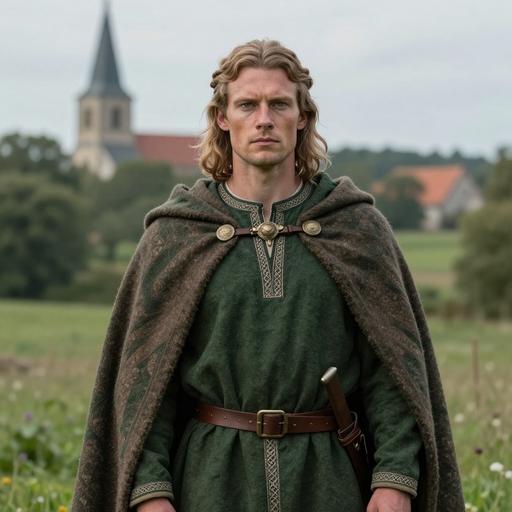
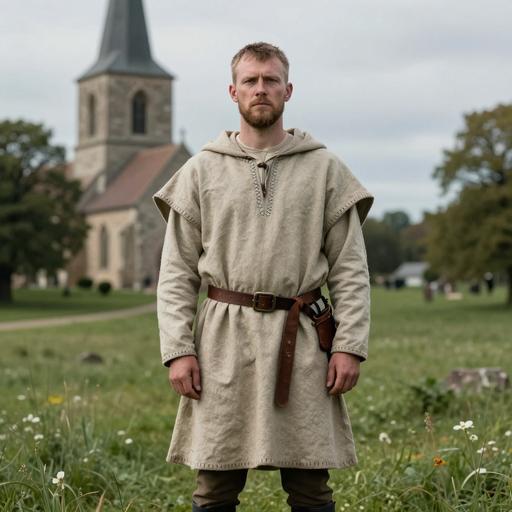
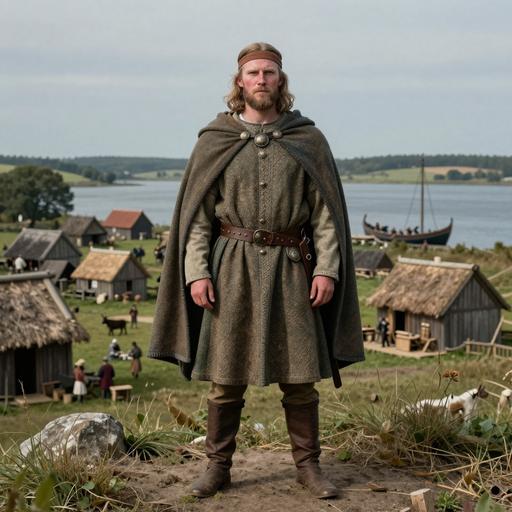
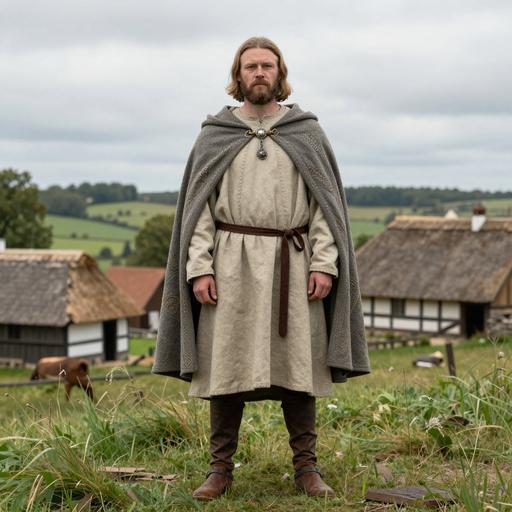
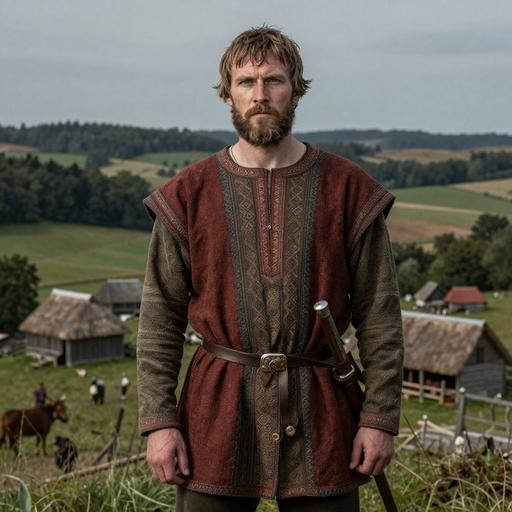
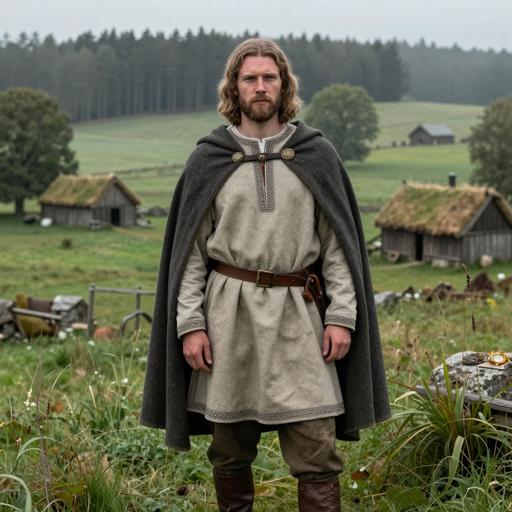
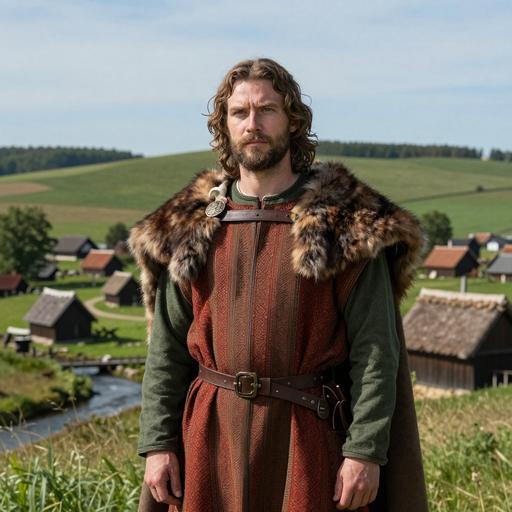
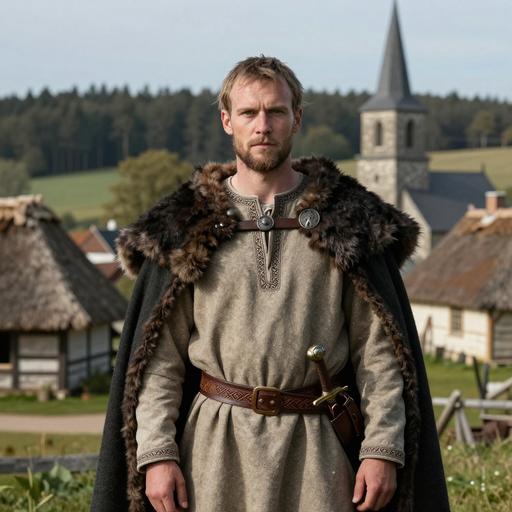
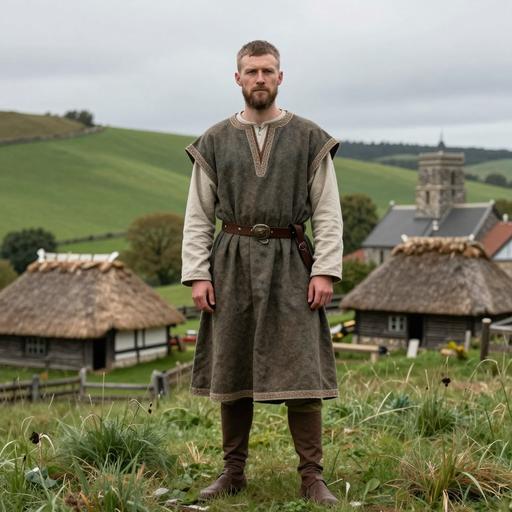
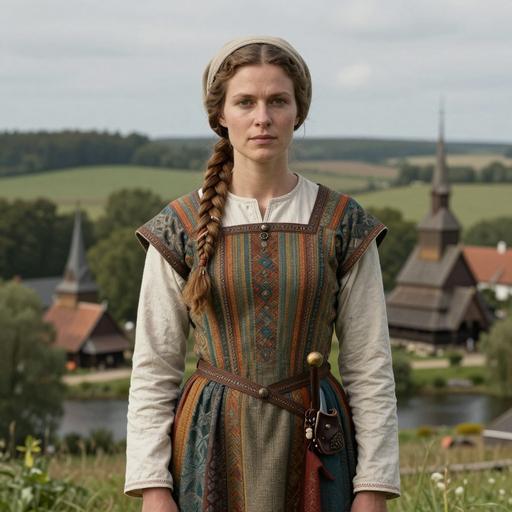
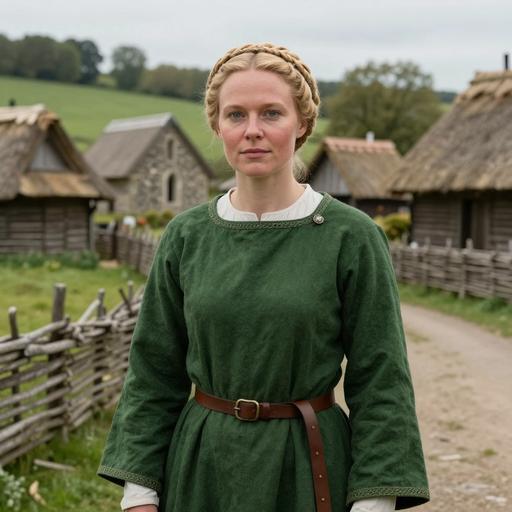
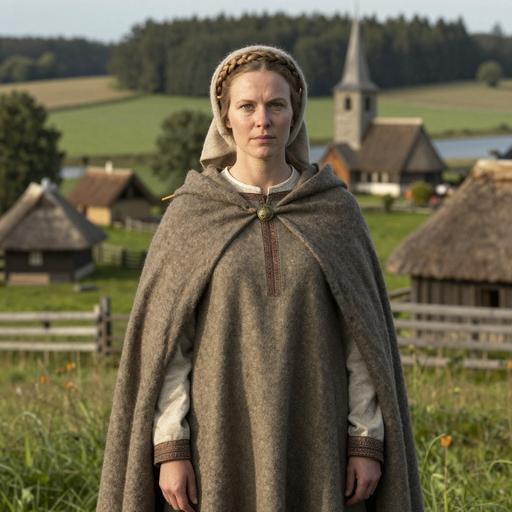
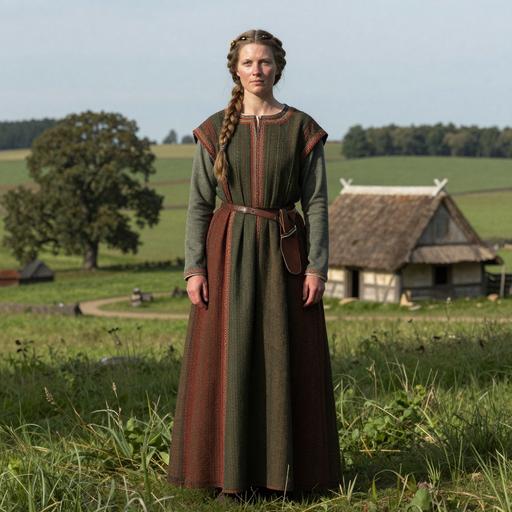
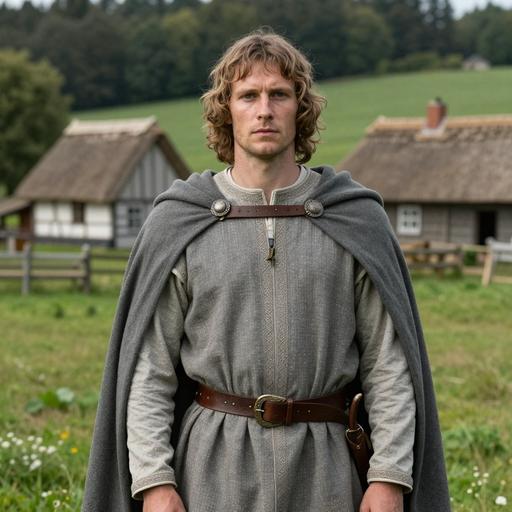
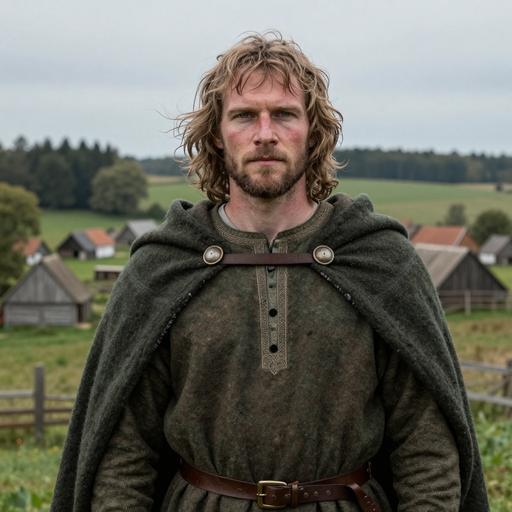
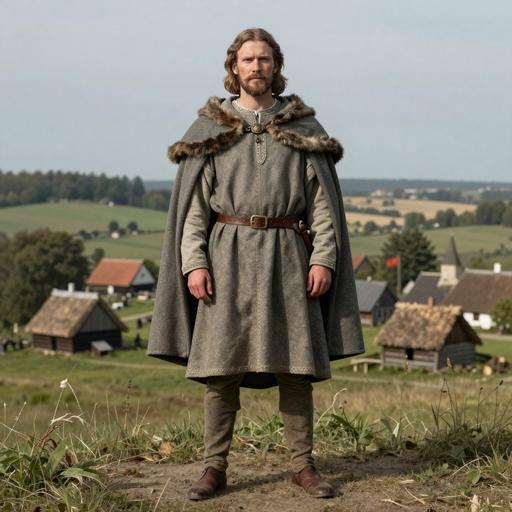
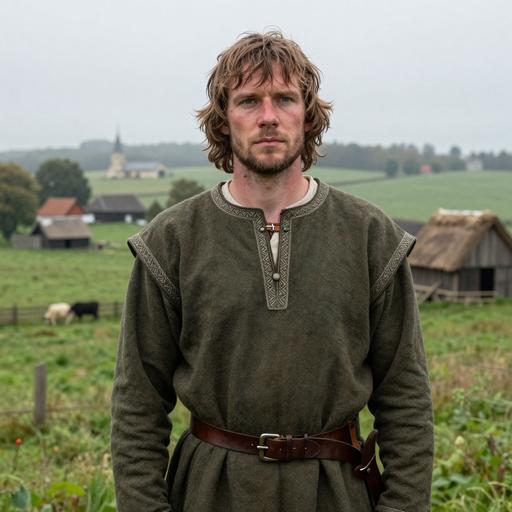
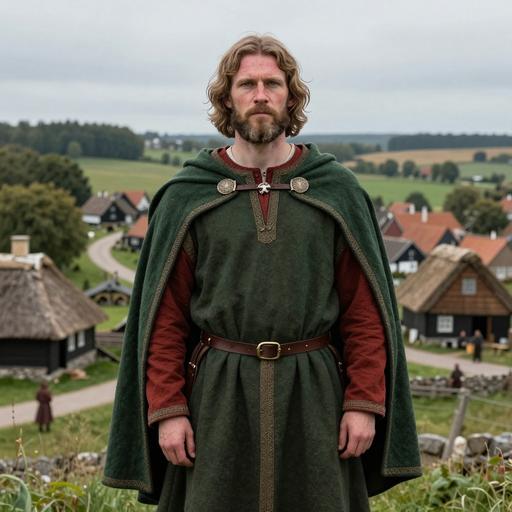
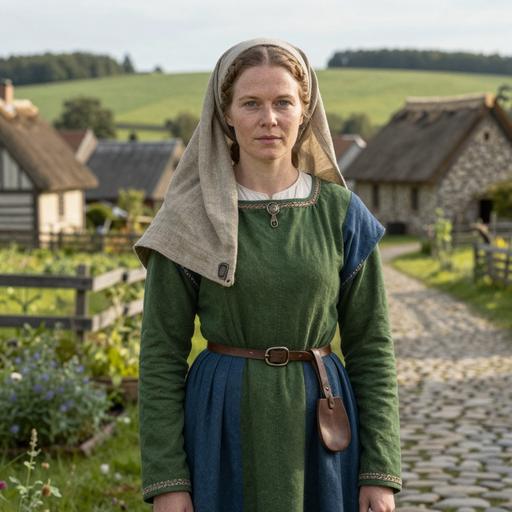
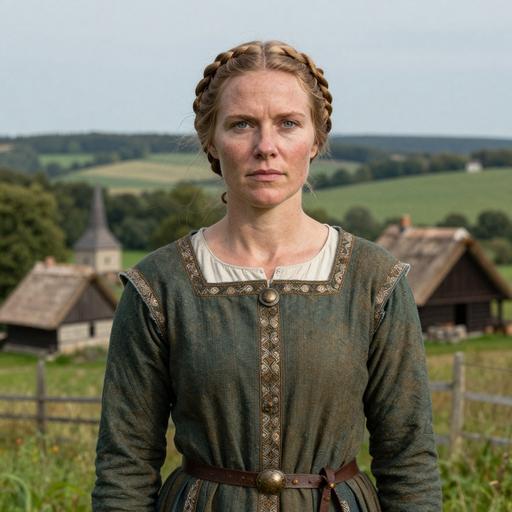
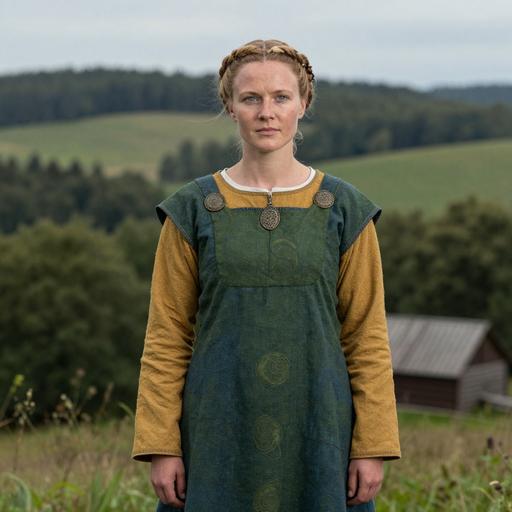
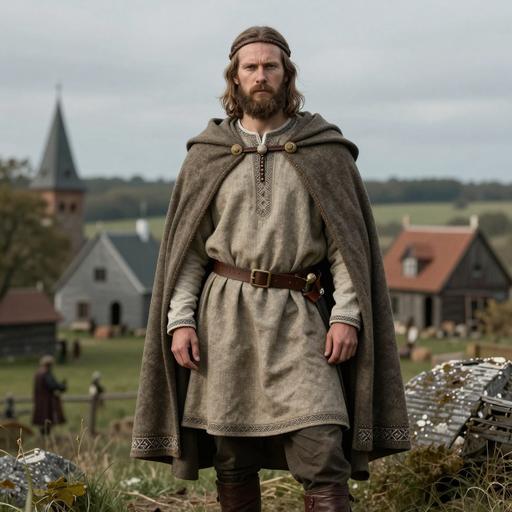
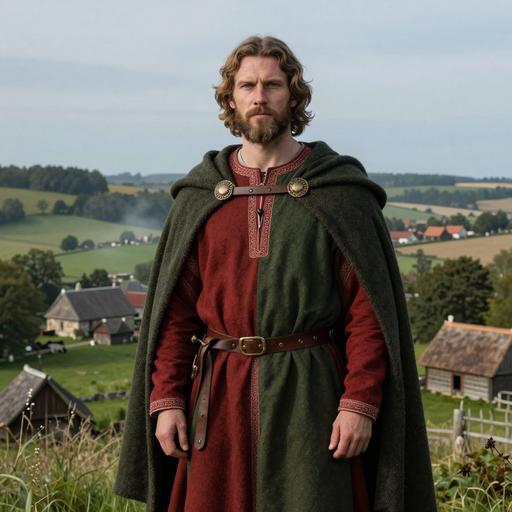
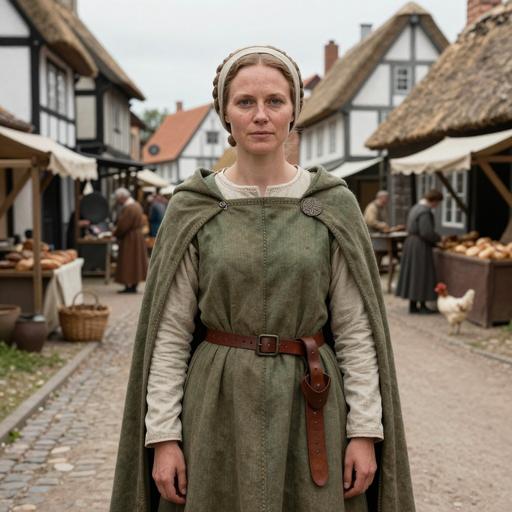
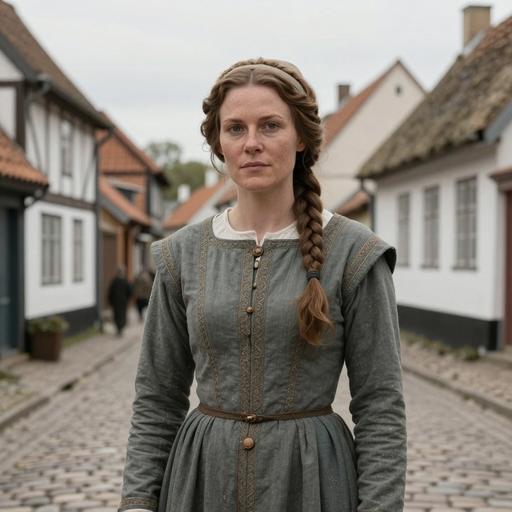
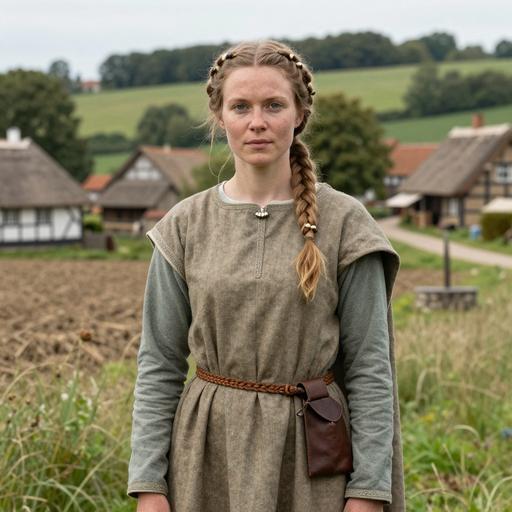
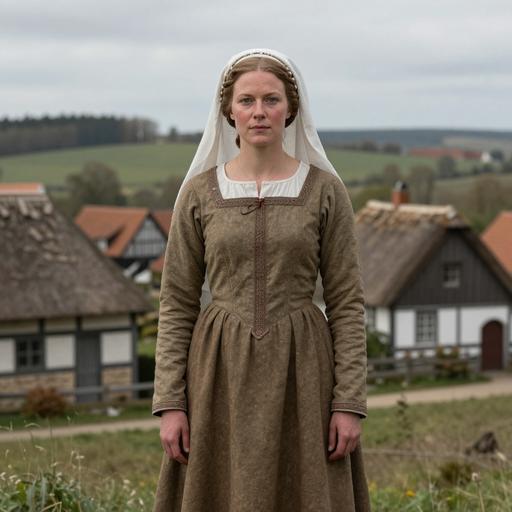
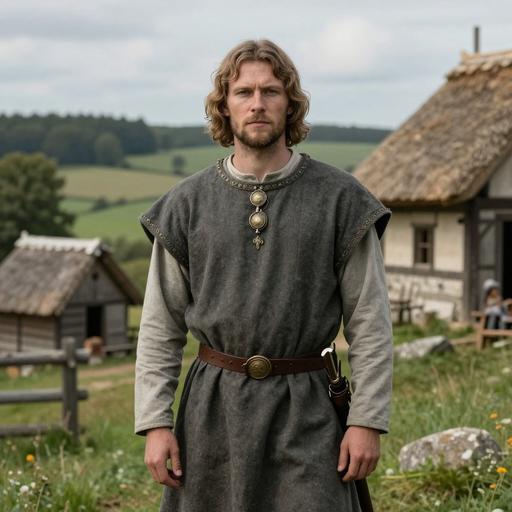
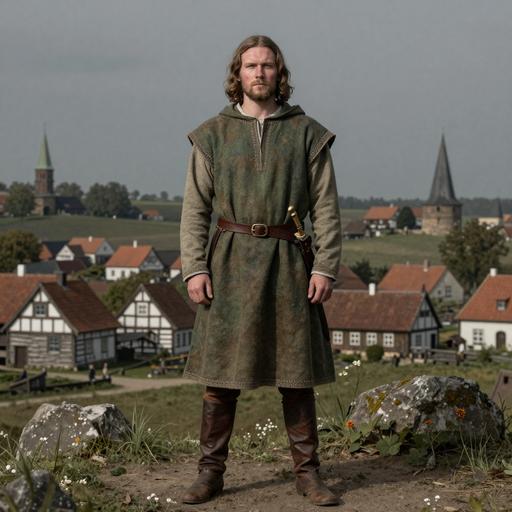
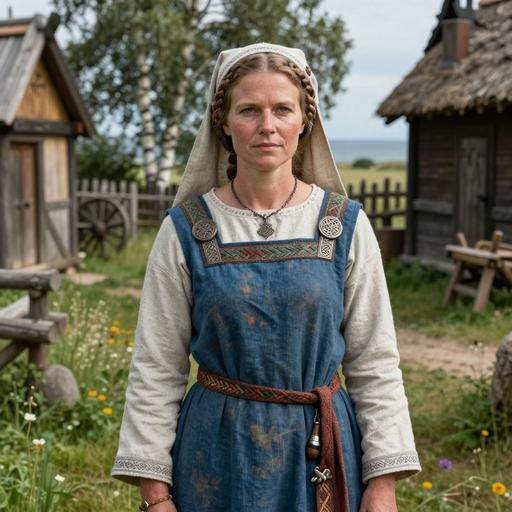
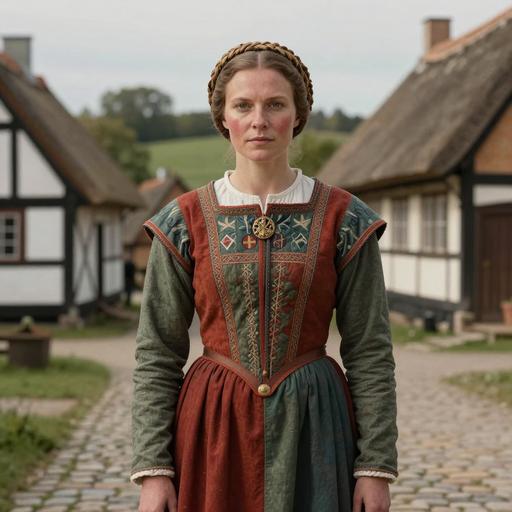
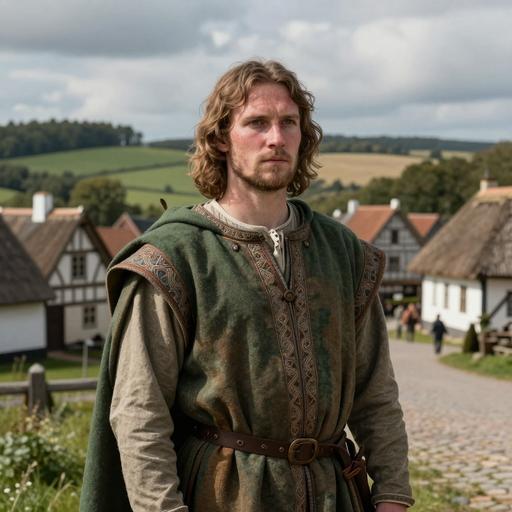
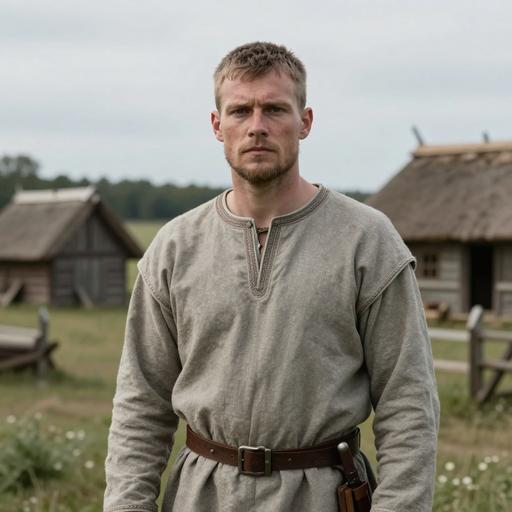
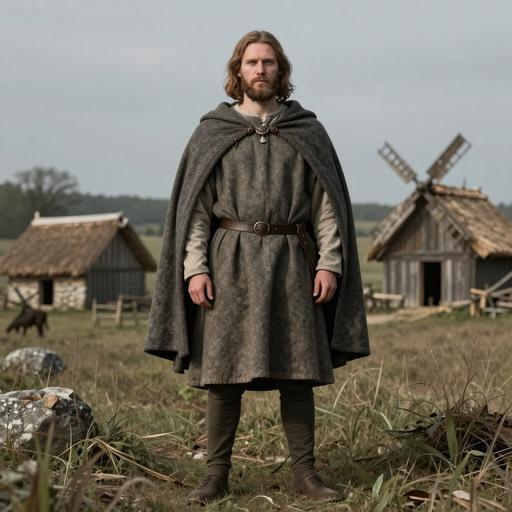
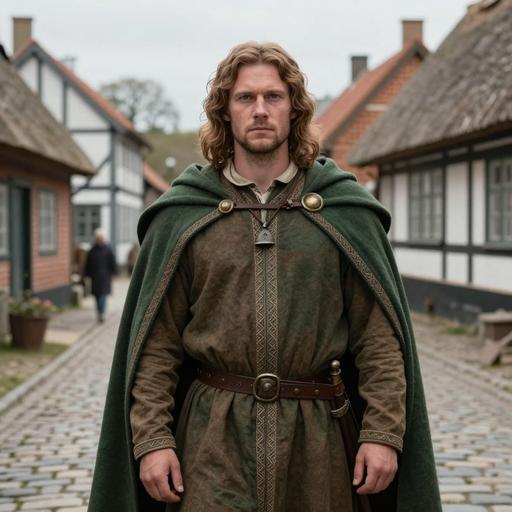
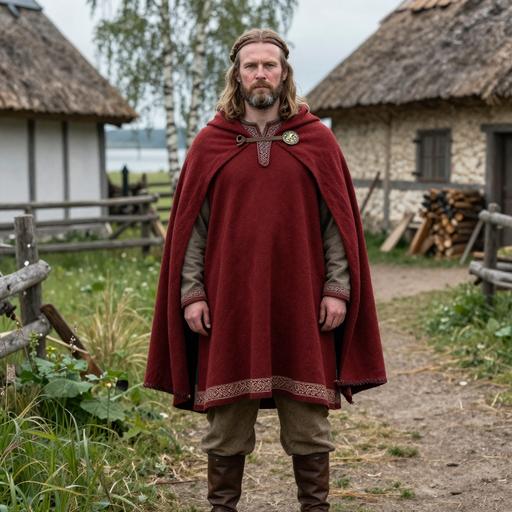
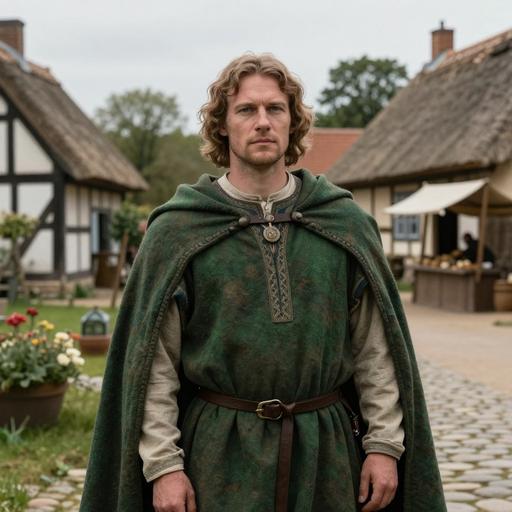
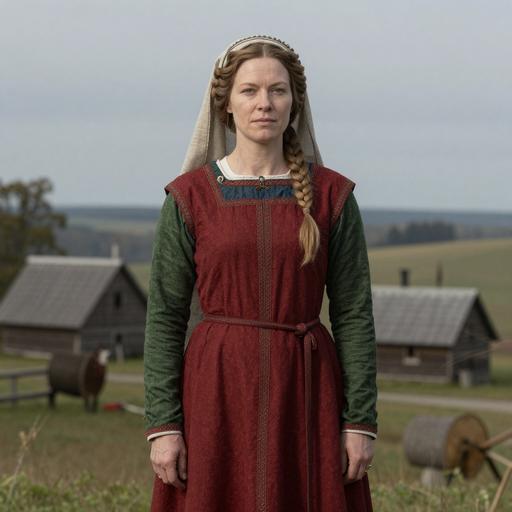
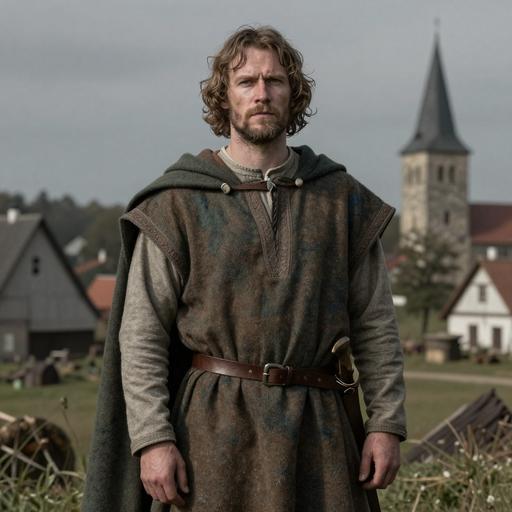
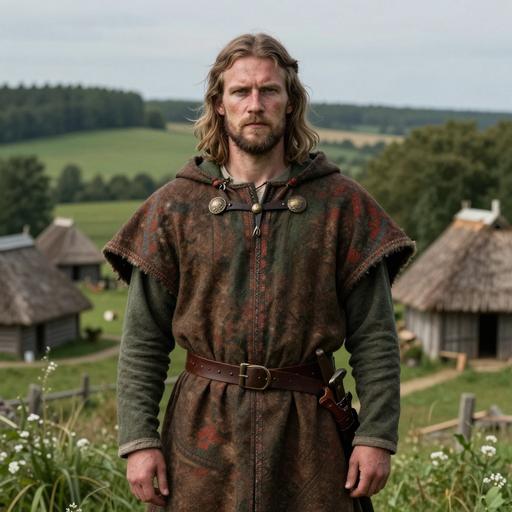
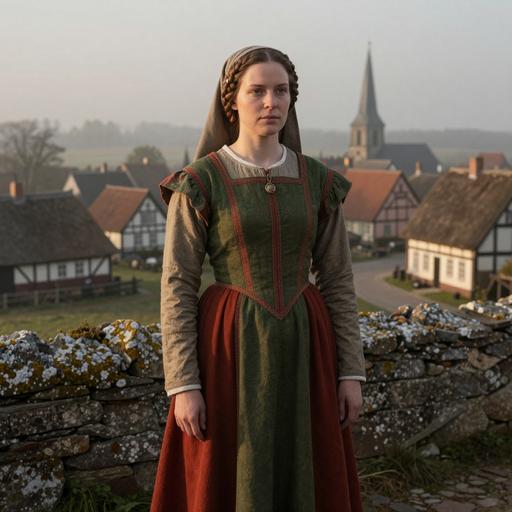
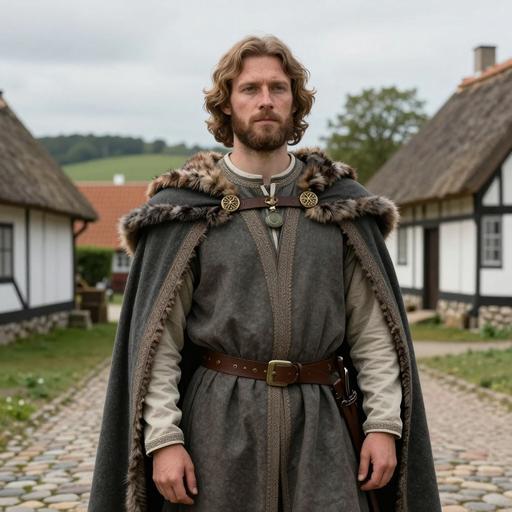
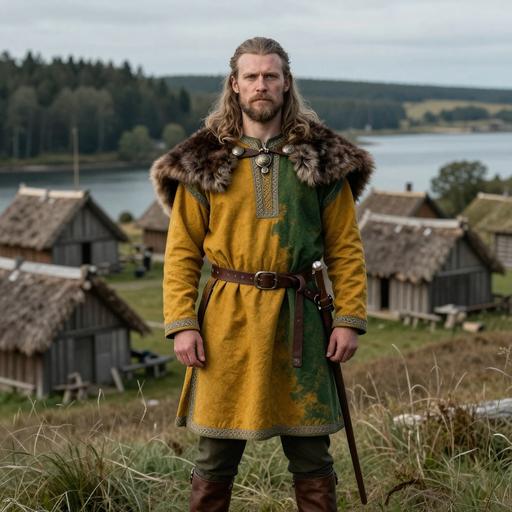
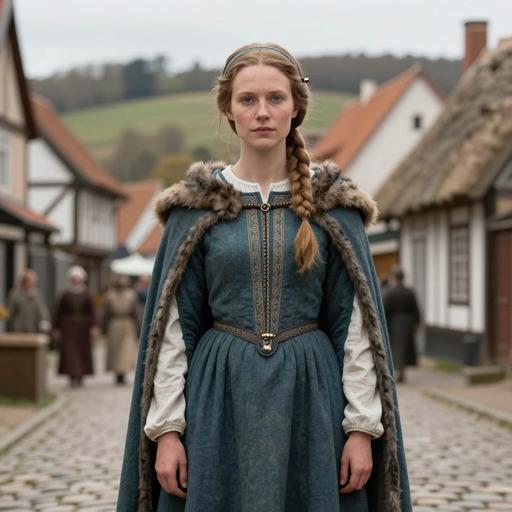
Material culture from contemporary Danish sites paints a vivid picture of medieval and early modern everyday life. Church burials often contain few grave goods due to Christian funerary norms, but associated finds in settlement layers—ceramics, metalwork, textiles imprints, and building remains—reveal agrarian households, craft specialization, and vibrant trade links across the North and Baltic Seas. In towns like Aalborg and Holbæk, archaeological layers record timber-framed houses, borough markets, and imported goods such as Rhenish pottery, indicating participation in wider Northern European exchange networks.

Skeletal evidence from churchyards can show health stresses: enamel hypoplasia, osteoarthritis from labor, and evidence of infectious disease in population-level patterns. These signals complement historical records of famine, taxation, and urban growth. Burial orientation and churchyard stratigraphy reflect ecclesiastical control and evolving social identities. Importantly, genetic data tied to these burials allows us to pair biological ancestry with lifeways—linking lineage patterns to urban migrants, local farming families, or individuals who may have moved along maritime routes.

Archaeological context therefore provides the social stage on which genetic stories play out: a person buried in a Holbæk town plot could be the descendant of long-standing local lineages, or an immigrant whose DNA records connections beyond Denmark.

  • Town and rural archaeology show trade links and agrarian life
  • Skeletal markers of labor and disease offer context for genetic patterns
Chapter V

Genetic Profile

The genetic snapshot from 68 individuals across Denmark (1000–1800 CE) reveals a predominantly Northern European profile with measurable internal diversity. On the paternal side, haplogroups R (21/68) and I (16/68) dominate—lineages commonly associated with Western and Northern Europe—while rarer signals include N (1/68), often linked to eastern Baltic/Eurasian contacts, and E (1/68), which likely reflects sporadic gene flow from southern or central Europe. These counts suggest that local male ancestry was largely drawn from regional northern pools, with occasional arrivals from more distant places.

Mitochondrial DNA shows a majority of H (19/68) and substantial representation of U (13/68), J (6/68), T (6/68), and K (4/68). This maternal portfolio is typical for medieval and modern northern Europe, where H and U lineages are widespread; J, T, and K indicate additional maternal diversity possibly tied to trade or mobility. The distribution of maternal and paternal haplogroups together suggests a community structured by local continuity with episodic migration events—maritime trade, clerical networks, and military movement all offer plausible conduits.

Interpretation caveats: with 68 samples our confidence in broad patterns is moderate and geographically concentrated to three sites. Low-frequency haplogroups (N, E) are singletons here; such occurrences should be treated as evidence of contact, not proof of large-scale population turnover. Combining archaeological context—grave location, artifacts, demographic profile—with ancient DNA provides the most nuanced reconstruction of medieval Danish population dynamics.

  • Paternal dominance of R and I indicates northern European male ancestry
  • Maternal lineages (H, U, J, T, K) reflect common European mtDNA diversity
Chapter VI

Legacy & Modern Connections

The genetic and archaeological portrait of the Danish Kingdom between 1000 and 1800 CE connects directly to modern Danish ancestry. Many of the Y and mtDNA lineages observed—especially R, I, and mtDNA H and U—remain common in present-day Denmark and Scandinavia, indicating substantial continuity in the gene pool. Archaeology underscores that continuity was not static: trade, war, and religious change introduced new individuals and ideas, leaving detectable but generally modest genetic traces.

For descendants and researchers, these datasets offer a bridge between stones and sequences: churchyards tell who was buried and how, while genomes reveal where families may have come from. Caution remains essential—our samples are temporally broad and geographically limited. Future sampling across more parishes and islands, together with finer-resolution genomic analyses, will refine how local events—plague mortality, urbanization, and long-distance trade—reshaped the ancestry of people in Denmark.

  • Modern Danish populations retain many of the same haplogroups
  • Archaeology plus DNA highlights continuity with episodes of external contact
Chapter VII

Sample Catalog

68 ancient DNA samples associated with the Danish Kingdom: Medieval Lives in DNA culture

Ancient DNA samples from this era, providing genetic insights into the people who lived during this period.
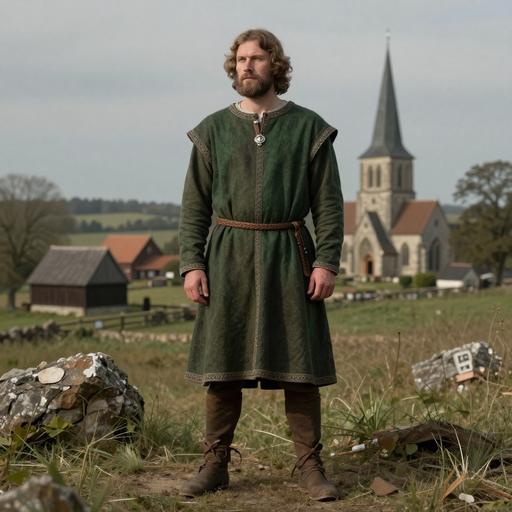
68 / 68 samples
Portrait Sample Country Era Date Culture Sex Y-DNA mtDNA
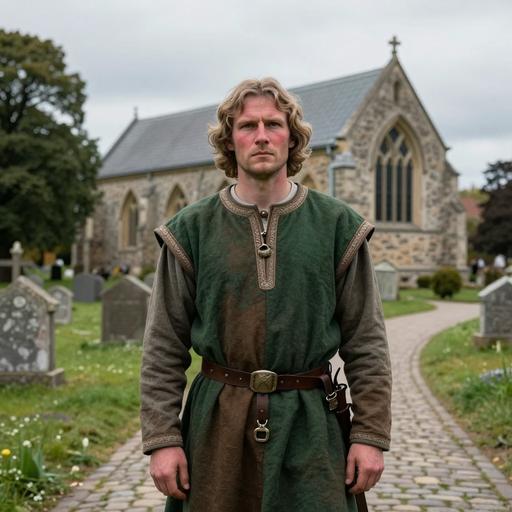
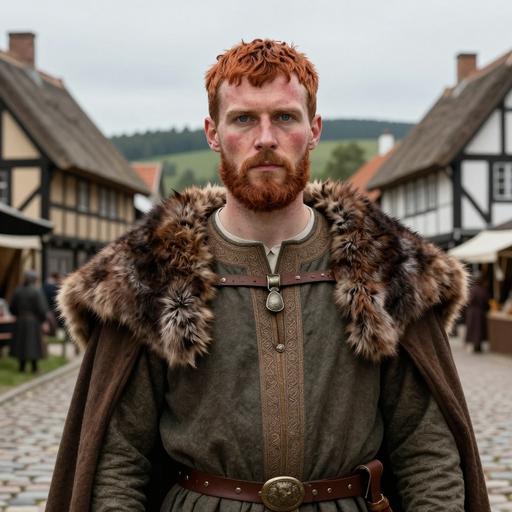
Portrait of ancient individual CGG100415 from Denmark, dated 1400 CE
CGG100415
Denmark Denmark_Medieval 1400 CE Danish Kingdom M N1a1a U5a1h
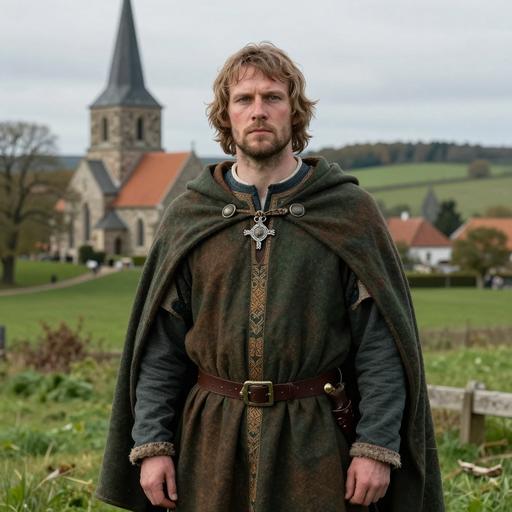
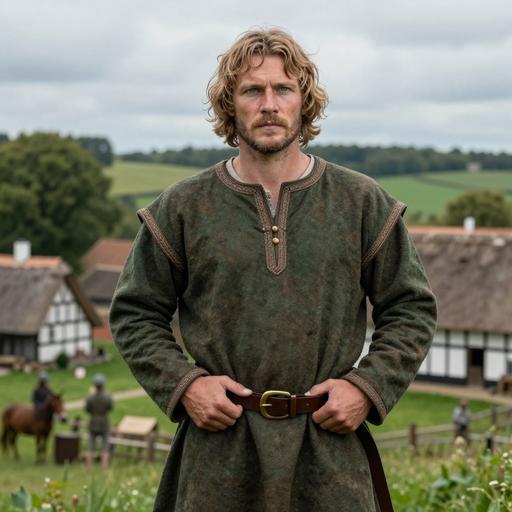
Portrait of ancient individual CGG100441 from Denmark, dated 1200 CE
CGG100441
Denmark Denmark_Medieval 1200 CE Danish Kingdom M I1a1a U5a1a2b
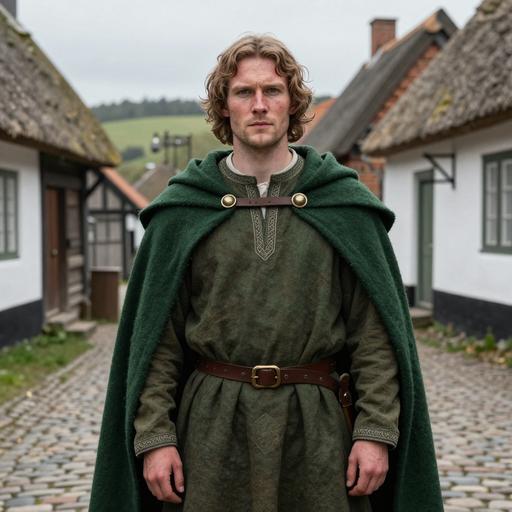
Portrait of ancient individual CGG100442 from Denmark, dated 1300 CE
CGG100442
Denmark Denmark_Medieval 1300 CE Danish Kingdom M I1a1b -
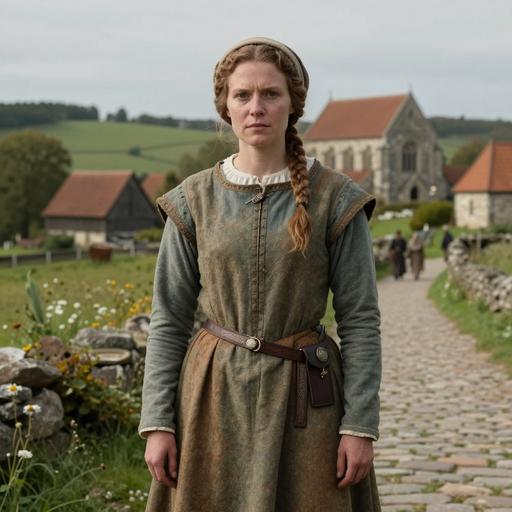
Portrait of ancient individual CGG100481 from Denmark, dated 1400 CE
CGG100481
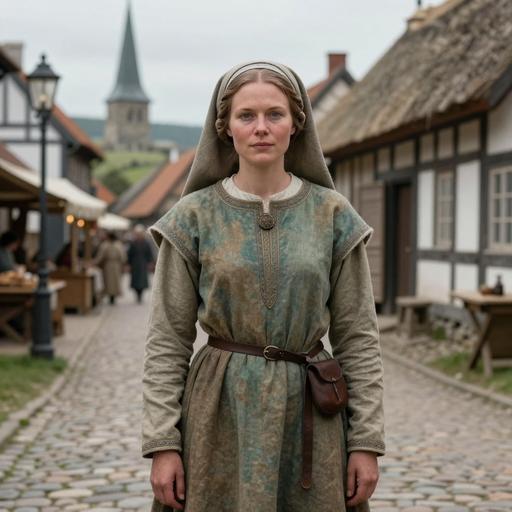
Denmark Denmark_Medieval 1400 CE Danish Kingdom F - -
Portrait of ancient individual CGG100492 from Denmark, dated 1000 CE
CGG100492
Denmark Denmark_Medieval 1000 CE Danish Kingdom M - H3n
Portrait of ancient individual CGG100493 from Denmark, dated 1275 CE
CGG100493
Denmark Denmark_Medieval 1275 CE Danish Kingdom M R1b1a H2a3a
Portrait of ancient individual CGG100497 from Denmark, dated 1200 CE
CGG100497
Denmark Denmark_Medieval 1200 CE Danish Kingdom F - T2b
Portrait of ancient individual CGG100498 from Denmark, dated 1400 CE
CGG100498
Denmark Denmark_Medieval 1400 CE Danish Kingdom M I1a1b H5a1
Portrait of ancient individual CGG100501 from Denmark, dated 1043 CE
CGG100501
Denmark Denmark_Medieval 1043 CE Danish Kingdom F - U4a1e
Portrait of ancient individual CGG100507 from Denmark, dated 1000 CE
CGG100507
Denmark Denmark_Medieval 1000 CE Danish Kingdom F - J2a1a1a2
AI Powered

AI Assistant

Ask questions about the Danish Kingdom: Medieval Lives in DNA culture

AI Assistant by DNAGENICS

Unlock this feature
Ask questions about the Danish Kingdom: Medieval Lives in DNA culture. Our AI assistant can explain genetic findings, historical context, archaeological evidence, and modern connections.
Sample AI Analysis

The Danish Kingdom: Medieval Lives in DNA culture represents a fascinating chapter in human history...

Genetic analysis reveals connections to earlier populations while showing evidence of unique adaptations and cultural innovations. The ancient DNA samples provide insights into migration patterns, social structures, and the biological relationships between ancient populations.

This is a preview of the AI analysis. Unlock the full AI Assistant to explore detailed insights about:

  • Genetic composition and ancestry
  • Migration patterns and origins
  • Daily life and cultural practices
  • Modern genetic legacy
Use code for 35% off Expires May 20