Menu
Store
Blog
Belize (Mayahak Cab Pek)

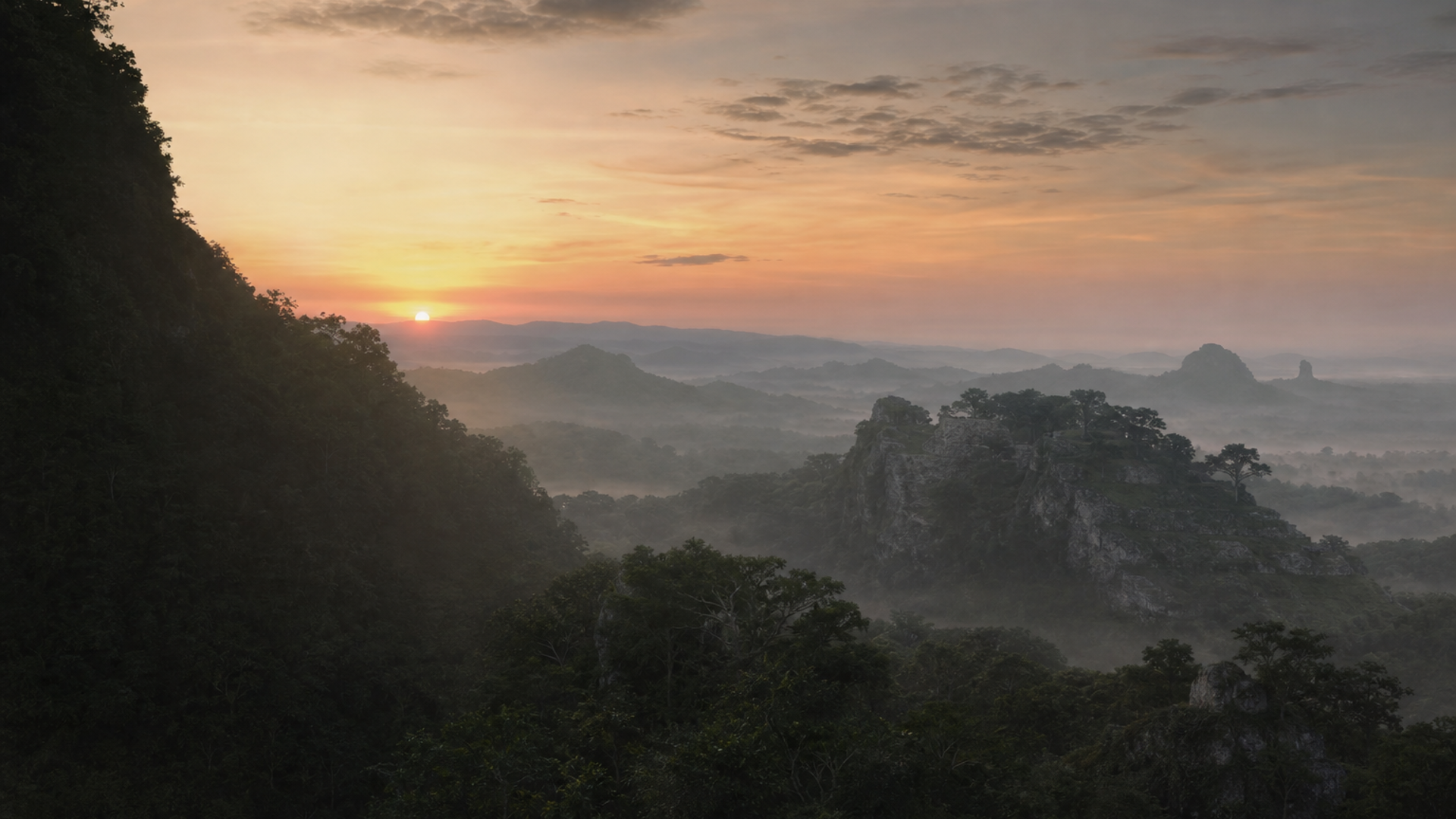
Dawn at Mayahak Cab Pek

A single ancient voice from Belize linking early Holocene life and mitochondrial DNA

7472 CE - 71929300 BCE
Scroll to begin
Chapter I

The Story

Understanding the Dawn at Mayahak Cab Pek culture

Archaeological remains from Mayahak Cab Pek (Belize), dated 7472–7192 BCE (~9,300 years ago), represent an early Holocene individual whose mitochondrial haplogroup D hints at deep Native American maternal lineages. Limited sample size makes conclusions preliminary; archaeological context reveals riverine foraging lifeways.

Time Period

7472–7192 BCE (≈9,300 years ago)

Region

Belize (Mayahak Cab Pek)

Common Y-DNA

No data / not reported

Common mtDNA

D (1 sample)

Chapter II

Timeline

Key moments in the history of this culture

7332 BCE

Occupation at Mayahak Cab Pek

Stratified deposits indicate repeated seasonal occupations of riverine wetlands; one individual yields mtDNA haplogroup D.

Chapter III

Origins & Emergence

Mayahak Cab Pek sits within the broad mosaic of early Holocene sites in lowland Belize. Radiocarbon-calibrated material from the site places human activity between 7472 and 7192 BCE, a time when sea levels and coastal ecologies were still adjusting after the last glacial period. Archaeological data indicates small, mobile groups exploiting riverine corridors, wetlands, and rich littoral resources. Stone tool scatters and organic remains recovered in stratified deposits suggest repeated seasonal use rather than a single permanent village.

The material culture is sparse but telling: flaked stone implements, probable fish and shell processing areas, and fragmented hearths speak to an intimate knowledge of waterbound landscapes. Limited evidence suggests these people formed part of a broad early American population that adapted quickly to diverse tropical environments. The one genetic sample associated with the site must be weighed against this archaeological picture with caution — it offers a tantalizing, singular window onto population identity without yet providing a population-level portrait.

In cinematic terms: the site captures a dawn, when small groups traced waterways like ink on parchment, shaping lifeways that would ripple through millennia. Archaeological interpretations remain provisional and will benefit from more excavation, stratigraphic analysis, and secure dating.

  • Site: Mayahak Cab Pek, lowland Belize
  • Dates: 7472–7192 BCE (~9,300 years ago)
  • Evidence: stone tools, hearths, shell/organic remains; seasonal riverine exploitation
Chapter IV

Daily Life & Society

Archaeological traces suggest a lifeway organized around waterways and seasonally abundant resources. Fish bones, shell fragments, and plant residues indicate a diet rich in aquatic protein and tuberous plants gathered from floodplains. Toolkits recovered at the site — flaked stone blades and simple expedient tools — imply a mobile technology suited to repeated short-term occupations of resource patches.

Social organization for such groups is inferred indirectly: small bands of kin engaged in cooperative hunting, fishing, and plant processing, with high mobility to track resource availability. Material signatures of long-distance exchange are limited at Mayahak Cab Pek, but the presence of non-local lithic raw materials at neighboring early Holocene sites in the region suggests exchange networks may have existed at low intensity.

Tactile images emerge from the bones and hearths: the scraping of fish, the glow of small fires, and the cyclical rhythm of wet and dry seasons shaping movement. Yet, archaeological data indicates many aspects — social structure, ritual practice, and group size — remain poorly resolved without broader comparative data from contemporaneous Belizean sites.

  • Economy: fish, shellfish, wetland plants; seasonal foraging
  • Technology: flaked stone tools adapted for mobility and processing
Chapter V

Genetic Profile

Ancient DNA from Mayahak Cab Pek is extremely limited: only one individual yields genetic data. That single mitochondrial genome belongs to haplogroup D. Haplogroup D is one of the founding maternal lineages observed across the Americas (commonly reported alongside A, B, C, and X), and its presence at Mayahak Cab Pek is consistent with broader patterns of early Native American maternal diversity.

However, with a sample count of one, any population-level inference is preliminary. The mtDNA D assignment suggests maternal continuity with pan-American founding lineages but cannot resolve finer-scale population structure, migration routes, or local continuity with later Maya populations on its own. No Y-chromosome data are reported for this individual, leaving paternal ancestry uncharacterized.

Genetic data and archaeology together provide a layered narrative: the mitochondrial signal ties the individual to deep New World maternal roots, while the archaeological context shows a lifeway adapted to Belize’s wetlands. Future aDNA from multiple individuals, genome-wide data, and comparisons with later and neighboring samples will be required to test hypotheses about population continuity, admixture, and demographic change in southern Mesoamerica.

  • mtDNA: Haplogroup D (single individual)
  • Limitations: single sample; no Y-DNA reported; conclusions are preliminary
Chapter VI

Legacy & Modern Connections

The Mayahak Cab Pek individual forms a fragile bridge between the deep human past and modern Indigenous peoples of Central America. While the mtDNA haplogroup D aligns with maternal lineages found widely across the Americas, direct continuity with contemporary Maya or other Belizean groups cannot be asserted from one sample alone. Archaeological data indicates long-term human presence and landscape knowledge in the region, which, when paired with additional genetic sampling, can illuminate threads of ancestry that persist into the present.

For museums and public audiences the site offers a poetic narrative: a human life lived beside waterways, leaving faint but persistent traces that echo in the genomes of later populations. Scientists emphasize caution — claims of direct descent require larger datasets and careful modeling — but every securely dated ancient genome like this enriches our map of early human settlement in Mesoamerica and guides questions about migration, adaptation, and cultural continuity.

  • Connects to deep maternal lineages present across the Americas
  • Direct links to modern groups require more samples and genome-wide data
AI Powered

AI Assistant

Ask questions about the Dawn at Mayahak Cab Pek culture

AI Assistant by DNAGENICS

Unlock this feature
Ask questions about the Dawn at Mayahak Cab Pek culture. Our AI assistant can explain genetic findings, historical context, archaeological evidence, and modern connections.
Sample AI Analysis

The Dawn at Mayahak Cab Pek culture represents a fascinating chapter in human history...

Genetic analysis reveals connections to earlier populations while showing evidence of unique adaptations and cultural innovations. The ancient DNA samples provide insights into migration patterns, social structures, and the biological relationships between ancient populations.

This is a preview of the AI analysis. Unlock the full AI Assistant to explore detailed insights about:

  • Genetic composition and ancestry
  • Migration patterns and origins
  • Daily life and cultural practices
  • Modern genetic legacy
Use code for 35% off Expires May 21